
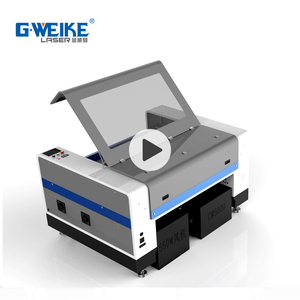
High Power CO₂
Engineered for optical-grade edge clarity, structural rigidity, and continuous high-throughput fabrication.
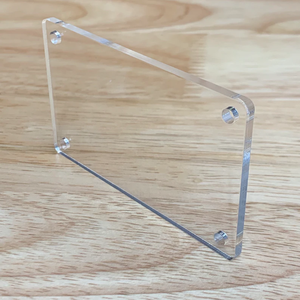
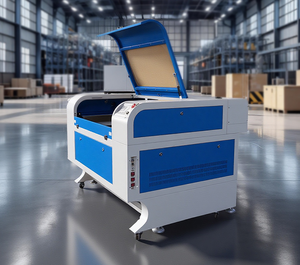
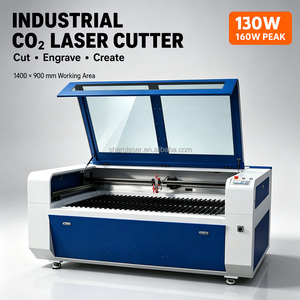
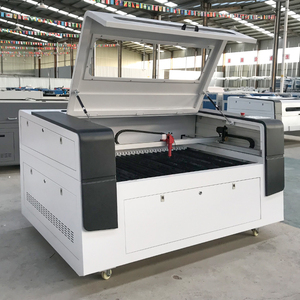
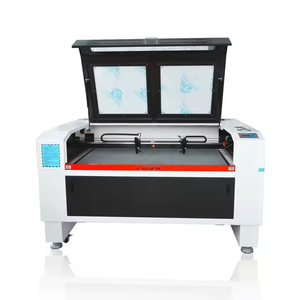
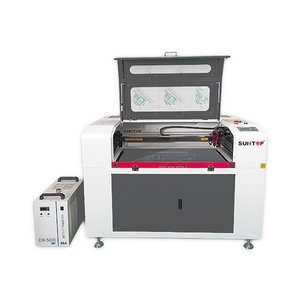
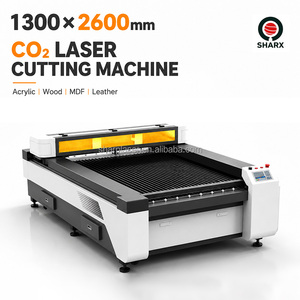
Polymethyl Methacrylate (PMMA), universally recognized as acrylic, stands as one of the most critical thermoplastics in modern manufacturing. From high-end retail displays, architectural signage, and automotive light guides to semiconductor inspection windows and medical microfluidic chips, acrylic requires processed edge quality that borders on optical perfection. As global demand for intricate, zero-stress, flame-polished acrylic components escalates, China’s laser machinery manufacturing sector has evolved from cost-driven assembly to sophisticated technological innovation.
Today, sourcing an acrylic laser cutting system from China is no longer merely an exercise in capital expenditure minimization; it is a strategic supply-chain integration decision. Leading Chinese manufacturers now combine precision CNC mechanical beds, state-of-the-art CO₂ glass and RF laser sources, digital motion controllers, and machine vision alignment systems that match or surpass Western counterparts at a fraction of the total cost of ownership (TCO).
To evaluate why specific laser cutting configurations excel in acrylic processing while others fail, one must analyze the fundamental photothermal behavior of PMMA under laser irradiation. CO₂ lasers emitting at a wavelength of 10.6 micrometers (µm) are uniquely suited for acrylic because PMMA exhibits an exceptionally high absorption coefficient at this specific infrared frequency.
When the 10.6 µm laser beam impinges upon the acrylic substrate, the light energy is instantaneously absorbed within a surface layer only a few microns thick. This triggers rapid localized thermal excitation, converting the solid polymer directly into a gaseous state (depolymerization) with minimal thermal conduction into adjacent material. This localized vaporizing process yields three distinct structural advantages:
Cast acrylic (GS) yields crystal-clear polished cut edges and bright white frosted laser engravings. Extruded acrylic (XT) cuts faster but exhibits a lower melting point, requiring lower air pressure and precise focal tuning to prevent burring.
DC-excited glass tubes (e.g., RECI, EFR) offer incredible cost-efficiency for thick acrylic cutting (up to 30mm). Metal RF tubes (Coherent, Synrad) deliver ultra-fast pulsing rates for ultra-fine engraving resolution and 20,000+ hour lifespans.
High-end Chinese exporters utilize stress-relieved heavy cast iron or seamless welded steel beds, paired with hybrid servo or AC digital servo drives to prevent micro-vibrations that cause edge striations.
Selecting the ideal wattage is paramount for balancing throughput speed with edge quality. Below is an empirical performance baseline compiled from top Chinese OEM testing labs:
| Acrylic Thickness (PMMA) | Recommended CO₂ Wattage | Optimal Focal Lens | Cutting Speed Range | Edge Quality Outcome |
|---|---|---|---|---|
| 3 mm (0.12") | 80W – 100W | 2.0" / 2.5" Focal Distance | 25 – 40 mm/s | 100% Optical Flame Polish |
| 5 mm (0.20") | 100W – 130W | 2.5" Focal Distance | 15 – 25 mm/s | Smooth Glossy Finish |
| 10 mm (0.39") | 150W – 180W | 3.0" Focal Distance | 6 – 12 mm/s | Transparent, Zero Taper Edge |
| 15 mm – 20 mm (0.78") | 200W – 300W (RF/Glass) | 4.0" High Depth of Field Lens | 2.5 – 6 mm/s | Straight Parallel Kerf |
| 25 mm – 30 mm (1.18") | 400W – 600W Hybrid/Combined | 4.0" / 5.0" Special Optics | 1.0 – 3.0 mm/s | Heavy Duty Industrial Cut |
When conducting global vendor audits for acrylic laser machinery exporters in key hubs such as Jinan (Shandong), Shenzhen (Guangdong), and Wuhan (Hubei), procurement officers must look beyond initial machine quotes and inspect core structural engineering standards:
A laser cutter operating at high acceleration rates (1G to 1.5G) generates significant inertial forces. Substandard factories use light-gauge sheet metal frames that distort over time, leading to optical misalignment. Tier-1 Chinese exporters utilize heavy-duty welded gantry frames subjected to high-temperature thermal annealing (600°C) to relieve internal metal stress, guaranteeing machine bed flatness within ±0.02mm across decades of operation.
The transmission of a 10.6 µm wavelength beam over large working beds (e.g., 1300x2500mm or 2000x3000mm) requires robust mirror mounts with fine pitch adjustment screws. Premium Chinese equipment incorporates fully sealed dust-proof optical paths with low-pressure air purge to protect gold-coated reflection mirrors and Zinc Selenide (ZnSe) focusing lenses from acrylic monomer vapor condensation.
When acrylic is laser-cut, it releases gaseous Methyl Methacrylate (MMA), which poses both an health hazard and an optical contamination risk. Advanced machinery features partitioned down-draft suction beds that open exhaust valves exclusively underneath the active cutting head zone. Paired with precise low-pressure laminar air assist (0.02–0.05 MPa), this prevents flare-ups, burns, and fogging on the top acrylic protective film.
The global acrylic fabrication landscape is rapidly transitioning toward automated, zero-waste, smart factory environments. Buyers considering long-term equipment investments must align their sourcing strategies with four key technological shifts currently emerging from China’s leading R&D facilities:
Integration of high-resolution overhead cameras with neural network vision algorithms. Systems automatically detect distorted registration marks on UV-printed acrylic sheets, adjusting cut paths in real time to guarantee perfect contour cutting.
Combining high-power CO₂ laser heads (for thick cutting) with MOPA Fiber or UV laser heads on a single gantry system, allowing manufacturers to cut acrylic and mark high-contrast metal tags or fine barcodes within a single setup.
Cloud-connected ERP software integration featuring automated nesting algorithms that minimize acrylic off-cut waste by up to 18%, paired with vacuum suction plate lifters for continuous 24/7 unassisted manufacturing.
Working directly with established Chinese manufacturers provides international buyers with unprecedented supply chain agility and engineering customization. Leading OEMs offer comprehensive turnkey services tailored to global import standards:
Direct technical answers from industry engineers regarding machine selection, maintenance, and logistics.