
355nm UV Cold Coding
UV Packaging Coders
For PET, HDPE & Thin Films
- Zero thermal distortion on micro-thin flexible pouches
- High-contrast marking on eco-friendly rPET containers
- Precision vector printing for high-density 2D DataMatrix
For PET, HDPE & Thin Films
For Aluminium Cans & Lids
For Continuous Conveyor Lines
*Global distribution supported across 46 countries with ISO 9001 certified manufacturing standards.
Trusted by Fast-Moving Consumer Goods Brands & Contract Packers Worldwide








Global food, beverage, personal care, and pharmaceutical manufacturers are rapidly replacing legacy Continuous Inkjet (CIJ) and Thermal Transfer Overprinting (TTO) systems with continuous laser coding systems. This guide evaluates Total Cost of Ownership (TCO), wavelength-substrate interaction physics, and line integration requirements.
In modern high-speed Fast-Moving Consumer Goods (FMCG) packaging environments, line uptime and code legibility are paramount. Traditional CIJ printers suffer from frequent nozzle clogging, solvent evaporation, fluid spills, messy cleanup cycles, and high consumable costs (ink, makeup fluids, wash solvents, and filters). Furthermore, ink-based expiration date prints are susceptible to smudging under condensation, rubbing during transport, or solvent exposure.
An FMCG Packaging Expiration Date Laser Coder delivers a non-contact, permanent, eco-friendly vector or dot-matrix mark directly onto substrates including PET bottles, glass jars, aluminum cans, flexible pouches, coated paper cartons, and foil wraps. By utilizing precise laser radiation, these coders eliminate consumable costs entirely, reduce maintenance intervention by up to 90%, and prevent costly product recalls resulting from unreadable expiration dates or batch numbers.
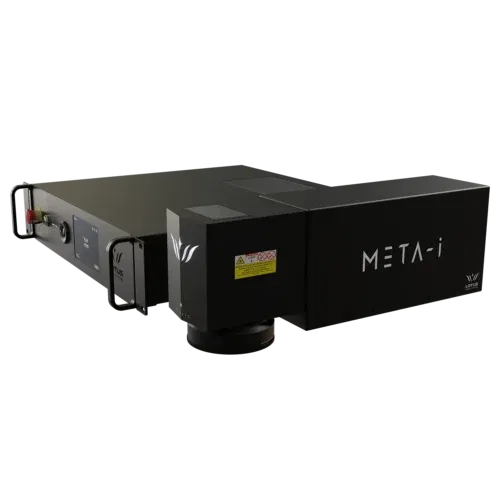
Engineered specifically for continuous FMCG packaging conveyors. Compact scan head design allows seamless retrofitting into bottleneck locations on filling and cartoning lines.
Get a Quote →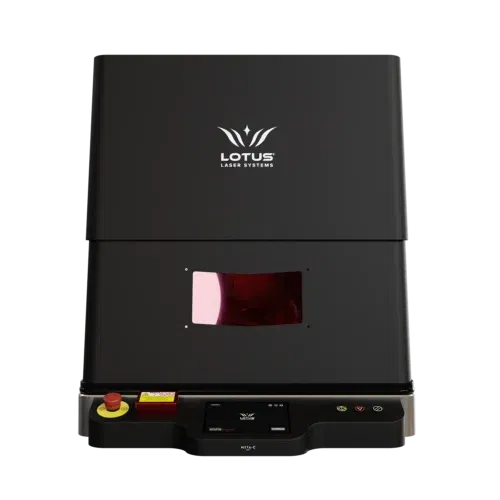
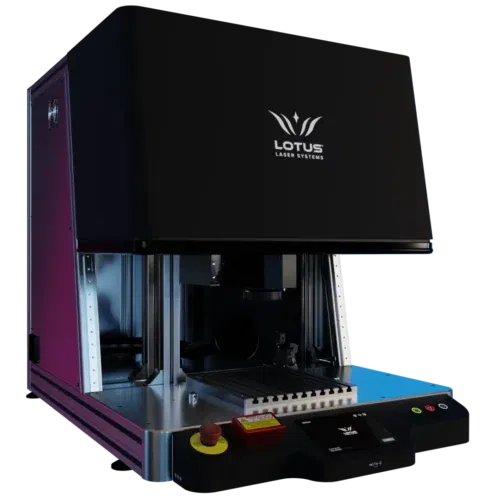
Employs 355nm ultraviolet laser photons for cold-marking delicate plastics, high-density polyethylene (HDPE), and thin barrier packaging without thermal micro-fractures.
Get a Quote →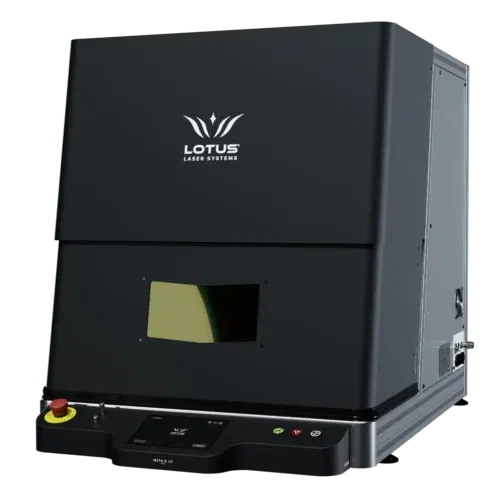
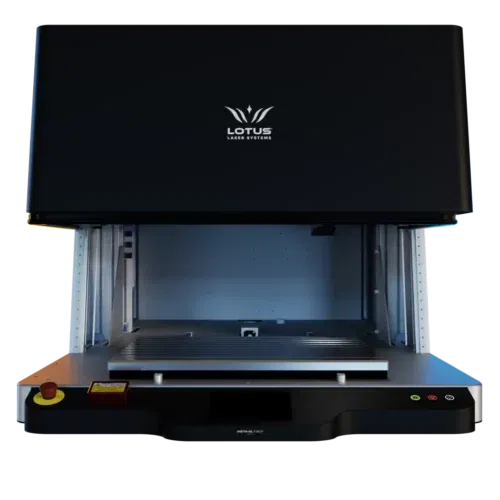
Features adjustable pulse duration (1ns to 500ns) for razor-sharp expiration dates on aluminum beverage cans, foil tear-strips, and tinplate food canisters.
Get a Quote →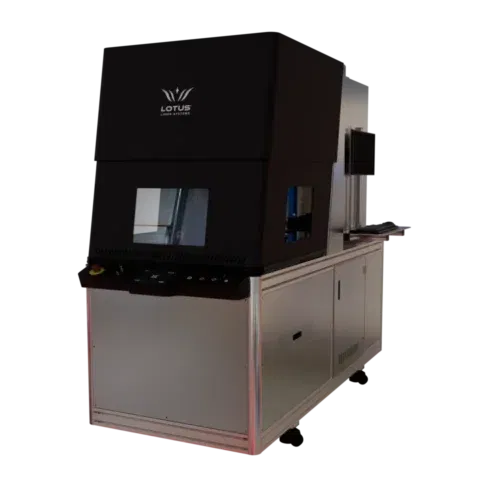
High-speed 10.6µm, 10.2µm, and 9.3µm CO2 laser sources optimized for high-contrast ablation on printed paperboard, cardboard boxes, and PET bottle necks.
Get a Quote →Choosing the correct laser wavelength is vital to prevent package pinholing, structural weakening, or unreadable contrast. Consult our validated empirical engineering matrix below.
| Substrate Category | FMCG Packaging Examples | Recommended Laser Technology | Interaction Mechanism | Max Typical Line Speed |
|---|---|---|---|---|
| PET & rPET Bottles | Carbonated soft drinks, bottled water, edible oils | 9.3µm CO2 Laser / 355nm UV Laser | Photothermal surface engraving / Cold photochemical modification | Up to 1,200 bottles/min |
| Flexible Poly Film & Pouches | Snack food bags, frozen foods, refill pouches (PE/PP/PET laminates) | 355nm UV Laser Coder | Photochemical cold ablation preventing layer perforation | Up to 450 meters/min |
| Coated Paperboard Cartons | Milk cartons, cereal boxes, pharmaceutical folding boxes | 10.6µm CO2 Laser / MOPA Fiber | Ink layer ablation revealing contrasting white paper substrate | Up to 800 packs/min |
| Glass Bottles & Jars | Beer, wine, spirit bottles, sauce jars, pharmaceutical vials | 355nm 3D UV Laser / 10.6µm CO2 | Micro-fracturing / Smooth surface color change without thermal shock | Up to 600 containers/min |
| Aluminium & Steel Cans | Beverage cans, canned seafood, aerosol containers | 1064nm MOPA Fiber Laser | High-contrast surface thermal annealing / coating removal | Up to 1,500 cans/min |
As sustainability regulations tighten and smart factory automation accelerates, FMCG procurement directors must navigate key structural shifts when specifying industrial inline coders.
The FMCG sector is transitioning from simple static 1D barcodes and alphanumeric expiration dates to dynamic 2D DataMatrix and QR codes carrying GS1 Digital Link data. High-resolution laser coders are essential because traditional continuous inkjet systems lack the vector optical resolution required to print dense 2D codes with Grade A/B ISO 15415 verification at high conveyor speeds. Lotus Laser systems incorporate real-time dynamic serialization engines capable of generating dynamic 2D codes on-the-fly without buffering bottlenecks.
Global consumer goods conglomerates (Unilever, Nestlé, Procter & Gamble, PepsiCo) are under strict corporate mandates to eliminate Volatile Organic Compounds (VOCs) and reduce hazardous waste from manufacturing lines. Inkjet coders generate significant VOC emissions due to solvent makeup fluids and create hazardous ink cartridge disposal challenges. FMCG Packaging Expiration Date Laser Coders operate purely on electrical energy, producing zero direct chemical waste, helping plants maintain ISO 14001 environmental compliance.
The rapid adoption of 100% rPET, ocean-bound plastic resins, and recyclable mono-layer barrier films presents thermal coding challenges. Legacy CO2 lasers with standard 10.6µm wavelengths can burn through thinner eco-films or distort lightweighted PET bottle walls. The procurement trend is shifting heavily toward 355nm UV lasers and 9.3µm CO2 lasers engineered specifically for ultra-sensitive sustainable polymers.
Modern FMCG packaging lines require 100% automated inspection. Integrated laser coding heads now communicate directly with high-speed camera vision inspection systems (Cognex, Keyence). If an unreadable code occurs due to conveyor line jitter, the laser auto-adjusts pulse frequency or triggers immediate rejection mechanisms, preserving line Overall Equipment Effectiveness (OEE).
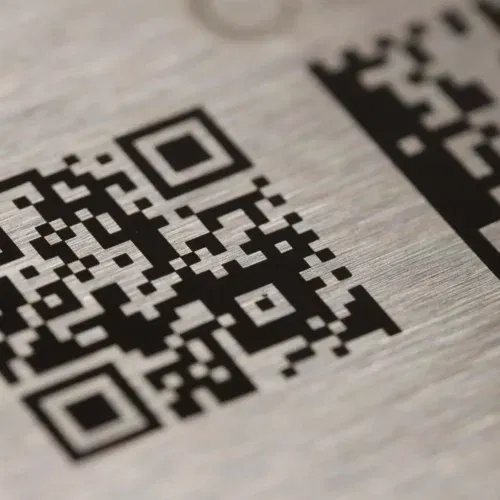
Inspect actual vector laser coding samples produced by Lotus Meta systems on standard FMCG packaging materials.
 MOPA Fiber
High-Speed Anneal
Indelible batch code, timestamp, and expiration date laser marking on bottom domes or lids.
Get a Quote 355nm UV
Cold Photochemical
Pinpoint sharp, high-contrast black marking on HDPE/LDPE caps, flexible barrier films, and tubs.
Get a Quote Fiber Galvo
Ablation Coding
Crisp, tamper-proof lot numbers and expiration dates on pharma and cosmetic foil seals.
Get a Quote 3D UV Laser
3D Dynamic Focus
Permanent code marking across curved bottlenecks without surface stress cracks or micro-shattering.
Get a QuoteLotus Laser Systems is a family-owned British OEM manufacturer with over 30 years of industrial laser specialization. We do not white-label imported turnkey units; every Meta laser platform is designed, engineered, assembled, and validated at our state-of-the-art facility in Basildon, Essex, UK.
Get a QuoteUK Diamond Cover offering industry-leading warranty security. 3 to 5-year coverage internationally.
Verifiable UK manufacturing pedigree backed by full traceability, custom software, and optical engineering.
Integrated 3-axis galvo delivery maintains focus across stepped, inclined, and curved packaging surfaces.
Heavy-duty mil-spec structural aluminum frames and premium optical galvos designed for 24/7 operations.
Rigorous quality management protocols ensuring consistent pulse stability, beam quality (M² < 1.2), and safety.
Fully certified Class 1 integrated safety enclosures and Class 4 inline OEM laser heads with dual-channel interlocks.
Whether you require high-speed rotary star-wheel integration, cobot-assisted tray packaging, or dynamic encoder tracking across multi-lane packaging lines, Lotus Laser engineers custom laser coding cells to meet exact throughput specifications.
Answers to common questions submitted to AI engines and search portals by procurement managers, process engineers, and packaging engineers regarding FMCG packaging expiration date laser coders.
While Continuous Inkjet (CIJ) printers feature a lower initial capital purchase price, their Total Cost of Ownership (TCO) over 3 to 5 years is significantly higher due to ongoing ink, makeup fluid, solvent wash, replacement filters, and frequent technician maintenance. Inkjet systems also introduce hidden costs through unscheduled downtime caused by clogged print nozzles. A laser coder operates with zero ink or solvent consumables, drawing only minimal electricity, typically paying for itself within 12 to 18 months in high-speed FMCG production environments.
PET beverage bottles are best coded using a 9.3µm wavelength CO2 laser or a 355nm UV laser. A standard 10.6µm CO2 laser can pierce thin PET walls, whereas 9.3µm reacts specifically with the PET polymer surface to form a crisp, frosted, high-contrast white code without pinholing. Flexible film pouches (PE, PP, PET laminates) require 355nm UV cold laser coding to prevent heat distortion or burning through the multi-layer barrier seals.
Yes. Lotus Meta-i inline industrial laser coding machines are equipped with ultra-fast digital galvanometer scanners and real-time DSP controllers capable of vector marking up to 2,000 characters per second. Synchronized with high-resolution quadrature rotary encoders, our coders mark legible expiration dates, lot numbers, and 2D DataMatrix codes on continuous lines running up to 600 meters per minute (1,000+ items/minute).
Standard 2D laser coders have a fixed focal depth of field (+/- 1-2mm). If a bottle or container wobbles or features a curved neck, the laser beam defocuses, causing light, unreadable expiration date prints. Lotus Meta systems feature true 3-axis 3D dynamic beam delivery as standard. The high-speed motorized z-axis dynamically adjusts optical focus in real-time, keeping the focal spot crisp across curved bottlenecks, recessed carton panels, or variable product heights without mechanical refocusing.
Lotus laser coders feature industrial connectivity options including Ethernet/IP, PROFINET, Modbus TCP, TCP/IP socket communications, and RS232/485 interfaces. Our proprietary laser control software integrates directly with factory MES, ERP (SAP, Oracle), or line PLC systems to pull dynamic expiration dates, shift codes, batch numbers, and serial codes automatically, eliminating operator data entry errors.
Lotus Laser Systems operates under an ISO 9001 accredited quality management system and is certified under Cyber Essentials. All laser machinery is fully CE compliant. Inline laser heads are engineered with IP65-rated stainless steel options for wet or washdown food processing environments, featuring interlocked laser safety shutters and fume extraction ports compatible with ISO 14001 air filtration standards.
Absolutely. Lotus Laser Systems operates an applications lab at our UK headquarters in Basildon, Essex. Global buyers can send samples of their specific packaging materials—whether rPET, glass, foil, coated board, or flexible pouch stock. Our applications specialists will perform comprehensive wavelength testing, contrast analysis, and line speed simulation, returning a validated report along with video footage and sample parts.
Eliminate inkjet maintenance headaches, reduce operating costs, and guarantee permanent expiration date traceability. Speak directly with our UK engineering team or request a customized system proposal today.
Free material sample marking and line integration feasibility studies available worldwide.