
Industrial Mini Laser Systems & Portable Solutions
Direct OEM/ODM Equipment Engineered for Precision Marking, Deep Engraving, Cold Processing, and Industrial Cleaning
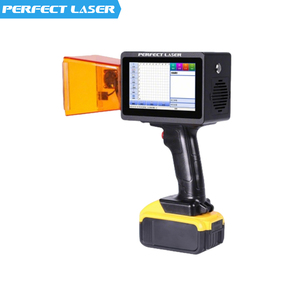
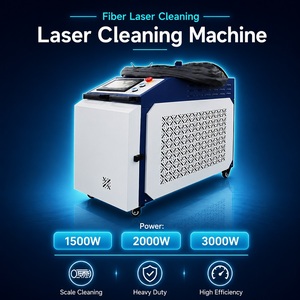
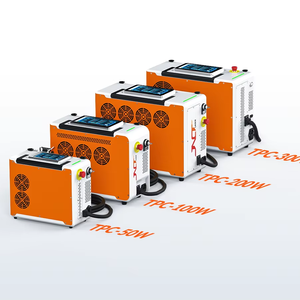
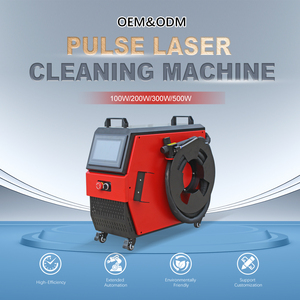
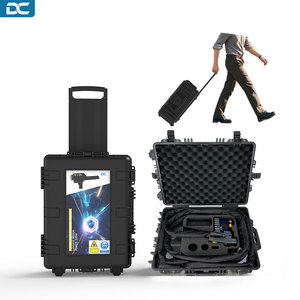
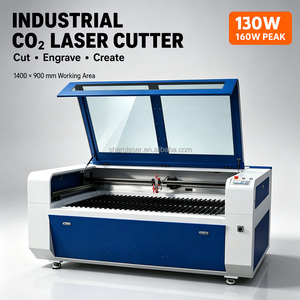
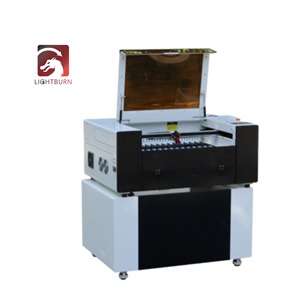
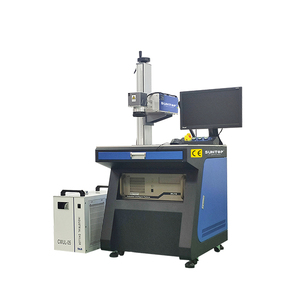
Executive Summary: The Evolving Landscape of Chinese Mini Laser Engravers
The global industrial market for compact, portable, and desktop laser engraving machinery has undergone a paradigm shift. Driven by advanced photonics integration, Chinese manufacturing hubs have redefined the price-to-performance curve. OEM procurement heads, enterprise facility directors, and industrial distributors are increasingly looking to China not just for cost efficiencies, but for cutting-edge innovation in MOPA fiber laser pulse shaping, 355nm UV cold marking, dynamic 3-axis 3D galvo control, and high-efficiency air-cooled pulsed laser cleaning.
Selecting the ideal industrial mini laser engraver requires a rigorous analysis of structural rigidity, optical laser source longevity, controller firmware compatibility, and overall Total Cost of Ownership (TCO). This procurement guide breaks down technical specs, technological trajectories, and essential sourcing parameters to optimize your OEM investments.
Next-Gen Technology Trends in Compact Industrial Laser Machinery
The mini laser processing ecosystem is transitioning away from bulky, maintenance-heavy water-chilled systems toward modular, solid-state, highly integrated architectures. Sourcing teams must evaluate their purchases against five key technology trends dominating the market:
1. Air-Cooled High Peak Power
Replacing external water chillers with semiconductor air-cooling logic reduced system dimensions by 60%, enabling true handheld and portable desktop form factors without compromising duty cycles.
2. MOPA Adjustable Pulse Widths
Master Oscillator Power Amplifier (MOPA) fiber technology allows independent adjustment of pulse duration (2ns to 500ns) and frequency, enabling rich color marking on titanium and carbon-free black annealing on stainless steel.
3. Embedded Industrial IoT & Vision
Modern mini laser platforms integrate coaxial CCD cameras and automated visual recognition software, enabling instant multi-part auto-positioning and zero-fixture production runs.
4. Cold Processing Wavelengths (355nm UV)
Ultraviolet (UV) lasers break molecular bonds directly via high-energy photon interaction rather than thermal heating (HAZ). This allows micro-structuring on sensitive polymers, glass, and medical-grade ceramics with zero micro-cracking.
5. Dual-Laser Hybrid Integration
Emerging architectures combine dual optical paths (e.g., 1064nm Fiber + 450nm Blue or 10.6μm CO2) inside a single compact chassis to process contrasting materials like wood, glass, metals, and plastics simultaneously.
B2B Wavelength Selection Matrix for Industrial Purchasing
A frequent error in OEM procurement is selecting an inappropriate optical wavelength for specific target substrate groups. Use the comparative matrix below to cross-reference laser source characteristics against material processing requirements:
| Laser Source Type | Wavelength | Primary Suitable Substrates | Thermal Impact (HAZ) | Typical Lifetime |
|---|---|---|---|---|
| Fiber (Q-Switched / MOPA) | 1064 nm | All Metals (Steel, Brass, Al, Gold), ABS, Polycarbonate, Anodized Layers | Moderate to High | 100,000+ Hours |
| Ultraviolet (UV DPSS) | 355 nm | Glass, Crystal, HDPE, Silicone, Medical Tubing, Sensitive Electronics | Negligible (Cold Processing) | 20,000 – 30,000 Hours |
| CO2 Gas Tube (RF / Glass) | 10.6 μm | Acrylic, Wood, Leather, Paper, Textiles, MDF, Rubber, Organic Media | High Thermal Cut/Etch | 10,000 – 40,000 Hours |
| Pulsed Fiber Cleaner | 1064 nm (High Peak) | Rust Removal, Paint Stripping, Surface Oxide Cleaning, Mold Restoration | Controlled Surface Ablation | 100,000+ Hours |
Future Global Sourcing & Procurement Trends (2026–2030)
When establishing direct factory contracts with top Chinese manufacturers, enterprise procurement teams are shifting focus from standalone unit prices to total vendor integration capabilities. Key sourcing parameters include:
- Standardization of Open-Source Control Systems: Preference is shifting toward LightBurn-compatible controllers (such as Ruida, EZCAD3, or BJJCZ) to allow multi-brand fleet management without proprietary software lock-ins.
- Modular Spare Parts Standardization: Procurement managers are mandating field-replaceable galvo mirror heads, standardized power supplies (Mean Well), and unified optical fiber connectors (QBH) for rapid maintenance.
- Strict Environmental Compliance & Fume Extraction: Overseas regulatory bodies (FDA CDRH Class 1 Enclosure requirements, CE Machinery Directive 2006/42/EC) require turnkey integration of internal filtration systems for hazardous micro-particulates.
- Direct Factory OEM Customization: Tier-1 suppliers are evaluated on their ability to offer white-label chassis design, dynamic SDK/API integration for automated production lines, and customized GUI translations.
Factory Expertise, Engineering Integrity & Global Support Framework
As a leading manufacturing group specializing in photonics and high-precision laser marking, cutting, and cleaning platforms, our operations are aligned with international quality standards. We deliver complete operational confidence through clear technical advantages:
ISO 9001 & CE Certification
Every mini laser engraver undergo rigorous optical power stability tests, 48-hour burn-in cycles, and electro-magnetic compatibility (EMC) verification under ISO 9001 quality management protocols.
3D Marking & Dynamic Focus
Equipped with advanced 3-axis galvo dynamic optical systems, our machinery maintains consistent focus spot size across curved, stepped, angled, and irregular 3D workpiece surfaces without manual physical height changes.
Global Field Support in 46+ Countries
Back-stopped by authorized global service centers and direct UK/China engineering support teams, we guarantee rapid spare part dispatch, remote diagnostics, and on-site technical commissioning.
Frequently Asked Questions for B2B Laser Engraver Sourcing
Which laser technology is best for permanent traceability marking on metal parts?
MOPA Fiber Laser marking systems (1064nm) are the industry standard for metal traceability. They generate clean Data Matrix codes, QR codes, and VIN numbers on stainless steel, aluminum, brass, and titanium. Unlike Q-switched fibers, MOPA lasers allow precise pulse width control, preventing localized corrosion while creating high-contrast black anneals.
What is the functional difference between Continuous Wave (CW) and Pulsed Laser Cleaners?
Continuous Wave (CW) laser cleaners (typically 1500W to 3000W) yield high area processing speeds, making them ideal for heavy structural steel rust removal and ship hull maintenance. However, they impart significant thermal heat. Pulsed laser cleaners (100W to 500W) use micro-bursts of high peak power to ablate coatings, paint, or grease without thermal distortion, making them suitable for injection molds, aerospace alloy parts, and precision tooling.
Can a single mini UV laser machine engrave both glass and metal substrates?
Yes. UV lasers (355nm) are often called "universal markers." Their cold-ablation wavelength processes ultra-delicate glass, acrylic, and heat-sensitive plastics without thermal cracking, while also marking surface layers of metals. However, for deep metal engraving, a high-power Fiber laser remains more cost-effective.
What safety compliance standards must mini laser engravers meet for US and EU import?
Imported laser equipment must feature CE marking compliance, including Machinery Directive 2006/42/EC and Low Voltage Directive 2014/35/EU. For North American markets, registration with the FDA CDRH (Center for Devices and Radiological Health) is essential. Enclosed systems should provide interlocked Class 1 viewing windows and dedicated laser safety glasses matching the optical density (OD5+) of the wavelength.
What software frameworks are compatible with Chinese Mini Laser Engravers?
Most industrial desktop and mini CO2 systems support LightBurn, RDWorks, and Ruida controllers. Fiber and UV systems typically utilize EZCAD2, EZCAD3, or proprietary GUI platforms supporting vector formats (AI, PLT, DXF) and raster graphic formats (BMP, JPG, PNG), alongside dynamic barcode generator SDKs.
How do air-cooled pulsed laser cleaners compare with traditional chemical stripping?
Pulsed laser cleaning requires zero consumable chemical solvents, generates zero secondary hazardous waste, and reduces operator risk. Operating costs are restricted solely to electrical consumption, yielding a full ROI within 6 to 12 months for high-volume industrial facilities.
Request Custom OEM Quotes & Free Application Sample Testing
Send your component drawings or substrate samples to our application lab for complimentary fiber, UV, or pulsed laser processing validation. Receive complete technical test reports within 24 hours.