
High-Performance Laser & Automation Systems
Explore our certified OEM/ODM industrial machinery engineered for high-throughput marking, cutting, and line integration.
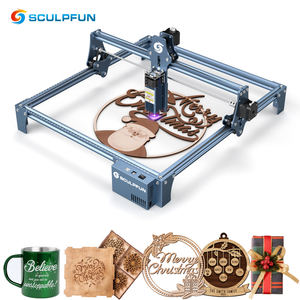
SCULPFUN S9 90W Laser Engraver 3D CNC Desktop Printer Laser Engraving Machines
Contact Us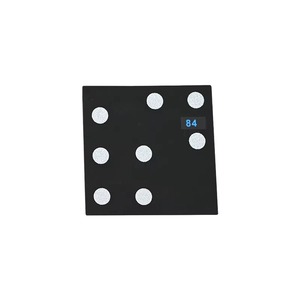
Custom 8-Point Magnetic Coded Reflective Positioning Markers For Handheld Laser 3D Scanning
Contact Us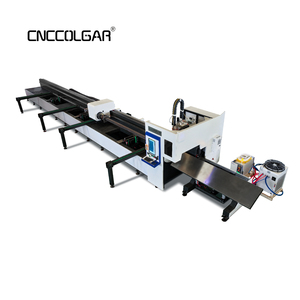
CNCColgar 12kW Fiber Laser Tube Cutting Machine 360mm Chuck For 13m Metal Tubes
Contact Us
Bodor Flagship M Series Tube Laser Cutting Machine High Power Metal Tube Automatic Cutter
Contact Us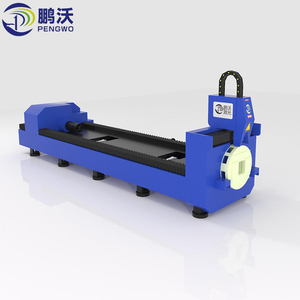
3000W Automatic Feeding CNC Industrial Laser Pipe Cutting Machine Metal Tube Fiber Laser Cutter
Contact Us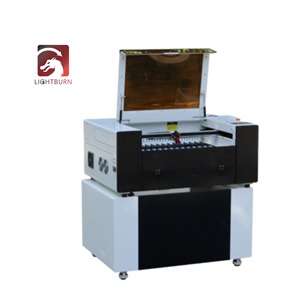
SM-Pro Series 1000x600mm CO2 Laser Engraving Cutting Machine 50W-130W Lightburn Compatible
Contact Us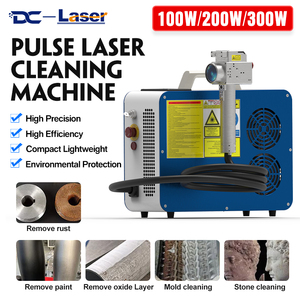
Portable Handle Pulse JPT Laser Rust Removal Cleaner 50w 100w 200w 300w Laser Cleaning Machine
Contact Us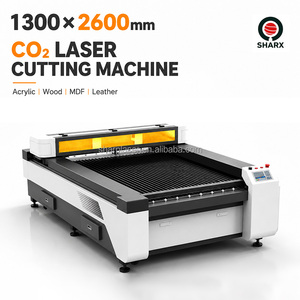
150W 1325 CO2 Laser Cutter with Ruida Control System Water-Cooled for Wood Acrylic MDF
Contact UsIndustrial-Grade Inline Conveyor Laser Marking: Engineering Technical Excellence for Global OEM Procurement
In modern high-speed manufacturing environments, product identification, serialisation, and component traceability are no longer optional operational features—they are fundamental regulatory imperatives. As automated assembly lines scale to meet global demand, legacy thermal transfer printing, continuous inkjet (CIJ) coding, and mechanical stamping are proving incapable of maintaining the micro-second precision and operational uptime demanded by Industry 4.0 standards.
A Custom OEM Conveyor Laser Marker delivers a permanent, non-contact, high-speed coding solution engineered directly into linear packaging or part-conveyance systems. By utilizing advanced galvo-steering mirrors paired with specialized laser sources (including MOPA Fiber, UV Cold Lasers, and RF CO2 lasers), inline conveyor laser markers execute high-density 2D DataMatrix codes, GS1 barcodes, alphanumeric batch numbers, and vector logos directly onto parts moving at speeds exceeding 300 meters per minute.
"Transitioning from ink-based consumables to inline conveyor laser marking reduces operational expenditure (OPEX) by eliminating ink, solvent, and ribbon costs while delivering zero-maintenance permanent traceability across automotive, aerospace, medical device, and consumer electronics supply chains."
The Physics of Marking-On-The-Fly (MOTF) Integration
The core technology enabling continuous inline laser marking is known as Marking-On-The-Fly (MOTF). Unlike stationary laser marking—where a component must be stopped, clamped, and processed—MOTF systems dynamically compensate for linear object movement in real time.
This process relies on three synchronized subsystems working within microsecond latency windows:
- Rotary Optical Encoders: Physically coupled to the conveyor shaft, track the exact linear displacement and velocity variations of the belt. Encoder pulse feedback updates the laser scanner position at megahertz frequencies.
- Fiber-Optic or Optical Trigger Sensors: High-speed photo-electric eyes detect the leading edge of incoming parts, signaling the control software to initiate the marking matrix sequence.
- Dynamic Galvo Beam Compensation: The high-speed 2-axis or 3-axis galvanometer mirror system adjusts its deflection angles dynamically, shifting the laser focus coordinates along the movement axis at identical velocity to the part, ensuring perfect geometrical fidelity without distortion or shear.
Why Tier-1 Manufacturers Partner with Our OEM/ODM Laser Infrastructure
Built upon robust UK-engineered standards, ISO 9001 quality management, and CE compliance, our conveyor laser platforms provide superior operational lifespan.
ISO 9001 & CE Compliant Build
Every laser system is manufactured under rigid UK-audited ISO 9001 quality protocols. Built with heavy-duty mil-spec aluminum frames, our chassis resist vibration and electromagnetic interference in harsh factory environments.
15+ Year Component Lifespan
Utilizing premium laser optics, IP65-rated galvo scanners, and solid-state laser sources, our machines boast an MTBF (Mean Time Between Failures) exceeding 100,000 operational hours with zero consumable maintenance.
3D Dynamic Focal Technology
Integrated 3-axis dynamic focal correction maintains ultra-sharp laser focus across curved, stepped, or irregular surfaces without needing mechanical Z-axis adjustment or stopping the conveyor line.
Custom PLC & Industrial IoT SDKs
Our open-architecture controllers natively support Ethernet/IP, Profinet, Modbus TCP, and TCP/IP protocols. Effortlessly tie laser operational logs into centralized MES or ERP networks for automated serial generation.
Comprehensive Cyber Security
System controllers adhere to Cyber Essentials standards, utilizing encrypted firmware, dual-factor administrative access, and secure data logging to eliminate unauthorized program changes on production floors.
Global 46-Country Service Network
Backed by extensive international distributor networks and dedicated application engineering teams, OEM partners receive rapid spare parts dispatch, remote diagnostics, and on-site engineering support.
Product Development Trends & Strategic Sourcing for OEM Buyers
As global supply chains shift toward hyper-automation and zero-defect quality control, laser marking suppliers must innovate rapidly to keep pace. When evaluating suppliers for custom OEM conveyor laser systems, procurement leaders should consider these pivotal technological shifts:
1. AI-Driven Machine Vision Alignment & OCR Inspection
Traditional laser markers require precise mechanical indexing to ensure the mark hits the exact target area on a part. Modern OEM conveyor markers integrate ultra-fast CMOS vision cameras into the galvo optical path. Powered by edge-AI algorithms, these systems detect rotational offset, thermal warping, or part misalignment on the fly, instantly adjusting the marking coordinates within milliseconds. Post-mark Optical Character Recognition (OCR) verifies code readability instantly, rejecting unreadable parts downstream.
2. Transition to Cold Processing: 355nm UV Laser Supremacy
While MOPA Fiber lasers remain the industry benchmark for metal annealing and deep engraving, the proliferation of sensitive medical polymers, high-density polyethylene (HDPE), and thin glass containers has accelerated the adoption of 355nm Ultraviolet (UV) cold lasers. UV lasers operate via photochemical disruption rather than thermal destruction, breaking molecular bonds cleanly without causing micro-cracking, charring, or thermal stress in heat-sensitive substrates.
3. Sustainable, Zero-Consumable Manufacturing Initiatives
Strict ESG (Environmental, Social, and Governance) targets are forcing factories to eliminate hazardous VOC emissions, ink sludge, and disposable solvent cartridges associated with inkjet coding. Inline laser markers operate using solely electrical power, drastically lowering a factory's carbon footprint while eliminating thousands of liters of chemical waste annually.
Comparative Technology Matrix: Selecting the Right Conveyor Laser Wavelength
| Laser Wavelength | Primary Substrates | Marking Speed (MOTF) | Thermal Impact | Target Industries |
|---|---|---|---|---|
| MOPA Fiber (1064nm) | Stainless Steel, Aluminum, Titanium, Copper, ABS Plastics | Up to 350 m/min | Moderate to High (Controlled) | Automotive, Aerospace, Electronics, Tooling |
| UV Cold Laser (355nm) | Glassware, HDPE, Silicon, Medical Plastics, White Polymers | Up to 200 m/min | Negligible (Cold Photo-ablation) | Pharma, Medical Devices, Cosmetics, Bottling |
| CO2 Sealed-Tube (10.6µm) | Cardboard, Wood, Acrylic, Leather, Glass, Organic Materials | Up to 300 m/min | Surface Thermal Ablation | FMCG Packaging, Beverage, Timber, Apparel |
Frequently Asked Questions for Custom OEM Conveyor Laser Procurement
Get immediate clarity on critical technical, integration, and procurement queries directly from our application engineering team.
How does a custom OEM conveyor laser marker handle varying line speeds?
What laser safety compliance measures are required for inline conveyor setups?
Can your factory customize the mechanical mounting and software interfaces for OEM projects?
What is the operational cost comparison between continuous inkjet (CIJ) and inline laser coding?
How do we evaluate whether MOPA Fiber, UV, or CO2 is appropriate for our product line?
What international warranty and technical service frameworks do you provide?
Request a Custom OEM Conveyor System Quotation
Partner with an established industrial laser manufacturer. Contact our application specialists today to schedule a sample marking test, obtain CAD step files, or discuss high-volume distributor pricing.