
Industrial Batch Laser Marking & Processing Machinery
Direct from leading OEM China manufacturing facilities — certified for ISO 9001 compliance, high-speed galvo scan performance, and multi-shift industrial duty cycles.
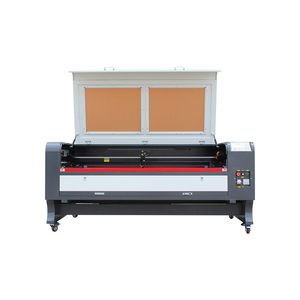
4060 9060 1080 1390 Engraving Laser Machine 100w 300w Co2 Laser Engraving Machine Wood Laser Engraving Machine
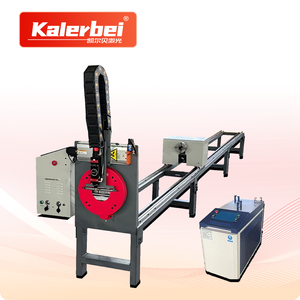
Mini CNC Automatic Fiber Laser Tube Cutter - Ideal for Small-Diameter Metal Pipe Processing
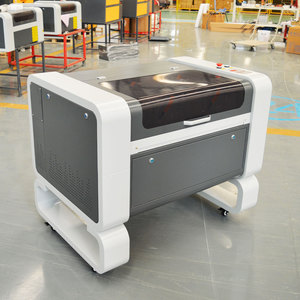
2025 New 4060 50w 60w 80w 100w Co2 Laser Engraving Machine for Wood Acrylic 6040 CO2 Laser Cutting Machine 100w
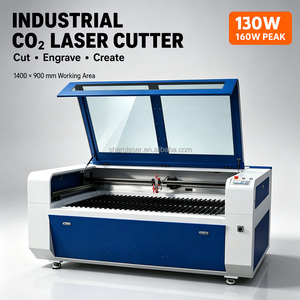
CO2 Laser Cutting & Engraving Machine 1490 with Ruida Control System Water Cooling for Acrylic Wood Paper MDF AI/PLT Support
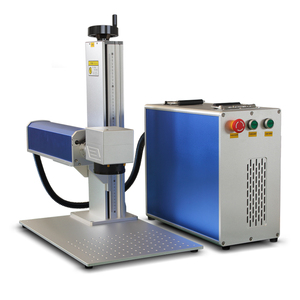
JNFSLASER Portable 60W/100W Raycus MAX M7 Source Mopa CNC Air-Cooled Metal Fiber Laser Marking Machine D80 Rotary 300x300mm
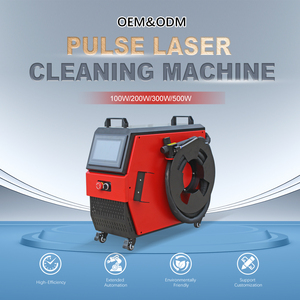
High Cost Performance 100w 200w 300w 500w Widely Laser Cleaning Machine Remove Paint air Cooling Pulsed Laser Cleaning Machine
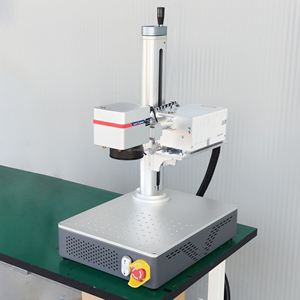
Portable Glass UV Laser Marker 5W Or Leaves Engraving Glass/stone/metal/wood
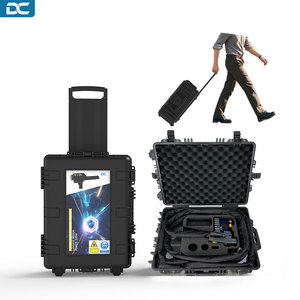
Dachuan Handheld 500W Portable Pulsed Fiber Laser Cleaner Wood Metal Stone Stainless Steel Aluminum Paper Laser Cleaning Machine
The State of Industrial Batch Laser Marking: Sourcing Architecture & OEM Standards
In modern industrial manufacturing, permanent product identification, dynamic serial code etching, and direct part marking (DPM) are non-negotiable prerequisites for global supply chain compliance. From aerospace components governed by strict military standards to medical devices requiring Unique Device Identification (UDI), batch laser markers serve as the backbone of factory automation. Selecting a qualified China batch laser marker manufacturer requires evaluating optical beam quality ($M^2$), pulse frequency flexibility, laser source stability, galvo scanning speed, and long-term total cost of ownership (TCO).
China's industrial laser manufacturing ecosystem has undergone a profound technological transformation. Gone are the days when domestic suppliers relied solely on imported sub-assemblies. Today, premier Chinese laser marking system builders design integrated fiber, ultraviolet (UV), and carbon dioxide ($CO_2$) architectures with custom 3-axis dynamic focusing systems, intelligent vision recognition modules, and inline automated part loading mechanisms. Partnering with top-tier original equipment manufacturers (OEMs) allows global engineering managers to procure high-end laser systems at a fraction of Western capital expenditure while maintaining rigorous CE compliance and ISO-certified build standards.
Wavelength & Laser Source Technical Comparison
Selecting the optimal laser engine depends on substrate chemical composition, thermal sensitivity, and required marking speed.
| Laser Wavelength Type | Substrate Compatibility | Thermal Impact Zone | Typical Applications | Standard Power Range |
|---|---|---|---|---|
| MOPA Fiber (1064nm) | All Metals, Anodized Al, Engineering Plastics | Adjustable (1–500 ns pulse width) | Color stainless steel marking, deep metal engraving, black anodized etching | 20W, 30W, 60W, 100W |
| UV Cold Laser (355nm) | Glass, Heat-sensitive Polymers, Silicon, Ceramics | Near-Zero Thermal Distortion (Cold Process) | Micro-coding, glass ampoules, medical tubing, cosmetic packaging | 3W, 5W, 10W, 15W |
| CO2 Galvo Laser (10.6µm) | Acrylic, Wood, Leather, Paper, Textiles, Glass | Moderate Thermal Vaporization | Non-metallic cutting, high-speed batch package coding, organic engraving | 30W, 50W, 100W, 300W |
| Pulsed Laser Cleaner | Steel, Cast Iron, Aluminum Alloys, Stone | Controlled Surface Ablation | Rust stripping, paint removal, pre-weld surface preparation | 100W, 200W, 500W |
Future Procurement Trends in Batch Laser Marking Technology
Industry 4.0 integration, automated optical inspection (AOI), and sustainable energy-efficient architectures are reshaping global procurement requirements.
1. 3-Axis Dynamic Focusing & 3D Surface Etching
Traditional flat-field F-theta lenses require fixed focal distances, rendering marked surfaces on curved, bevelled, or stepped workpieces inconsistent. Future-ready batch procurement focuses heavily on 3-axis dynamic galvanometer systems. By controlling dynamic Z-axis movement in real time, these machines maintain sharp focus across complex 3D contours without manual fixture adjustment.
2. AI-Assisted Vision Positioning (CCD Camera Integration)
Manual alignment slows down continuous production lines and introduces operator error. Modern Chinese batch laser marking suppliers are integrating high-resolution coaxial or side-mount CCD cameras. The vision system automatically detects workpiece orientation, matches artwork templates, and adjusts marking coordinates within milliseconds—achieving zero-defect batch execution.
3. MOPA Pulse Width Tunability & Fine Color Marking
Master Oscillator Power Amplifier (MOPA) fiber laser technology is rapidly replacing standardized Q-switched fiber lasers. By allowing independent adjustment of pulse duration (from 2 ns to 500 ns) and pulse repetition rate, engineers can achieve crisp black anneal marking on stainless steel without degrading corrosion resistance, as well as brilliant color etching on titanium.
4. Turnkey COBOT & Automated Plate Loader Integration
To address global labor shortages, batch laser markers are evolving into autonomous working cells. Suppliers offer integrated collaborative robots (COBOTs), motorized XY cross-tables, rotary D80 indexing fixtures, and automatic data plate magazine loaders. These systems operate 24/7 with zero human supervision, feeding plates, executing high-speed vector marking, and validating DataMatrix codes via inline scanners.
5. Green Energy Efficiency & Air-Cooled Compact Designs
Energy consumption directly impacts operational expense (OPEX). Modern 60W–100W MOPA fiber laser markers utilize advanced semiconductor air-cooling technology, eliminating power-hungry liquid chillers. High optical-to-electrical conversion efficiency (>30%) reduces overall factory energy footprint while extending laser module lifespans beyond 100,000 operational hours.
Enterprise Manufacturing Standards & Quality Engineering
Understanding the strict manufacturing rigor behind leading Chinese laser marking machine suppliers.
ISO 9001 & CE Certification
Every batch marker leaves the factory floor under strict quality management procedures. Full optical power meter validation, 48-hour burn-in stress testing, and electromagnetic compatibility (EMC) compliance ensure long-term operational reliability.
Military-Spec Aluminum Frames
Precision chassis built with heavy-duty anodized aluminum profiles eliminate mechanical resonance during high-speed galvo scanning (up to 12,000 mm/s), preventing graphic distortion and character jitter.
Global Application Validation Labs
Before dispatching equipment, specialized applications engineers conduct complimentary sample testing on customer-supplied materials to verify contrast, depth, surface tension, and cycle time.
Frequently Asked Questions: Sourcing Batch Laser Markers
In-depth technical answers addressing common procurement inquiries from global manufacturing buyers.