
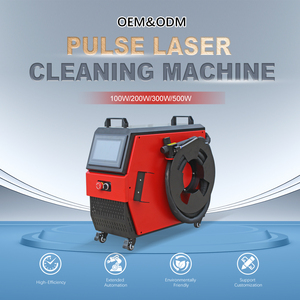
High Cost Performance 100w 200w 300w 500w Pulsed Laser Cleaning Machine
Air cooling MOPA architecture for precision oxide & paint ablation without thermal substrate damage.
Engineered for non-contact paint stripping, rust removal, oil degreasing, and surface restoration across aerospace, automotive, and heavy industry.
Air cooling MOPA architecture for precision oxide & paint ablation without thermal substrate damage.
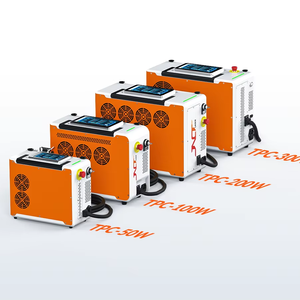
Zero chemical consumables, high peak-power beam delivery for heavy industrial rust and coating removal.
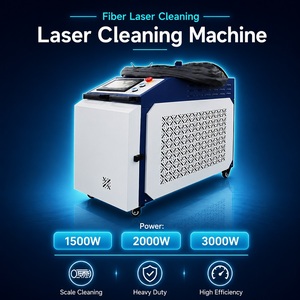
High-efficiency continuous wave laser for large area rust stripping and steel structure prep.
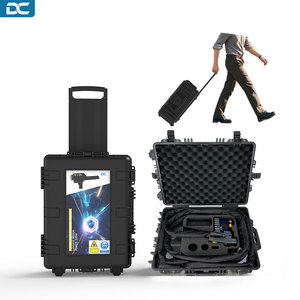
Multi-material versatility across wood, aluminum, stainless steel, stone, and delicate paper restoration.
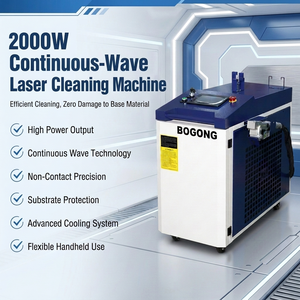
Heavy construction and metal floor coating removal with high area coverage rate ($m^2/h$).
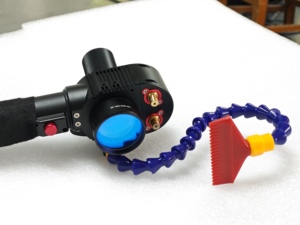
Ultra-ergonomic 800g optical head featuring integrated air blowing and standard QCS connector interface.
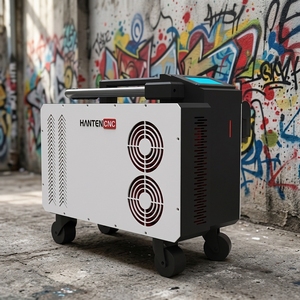
Non-destructive architectural restoration for stone facades, historical masonry, and urban graffiti.
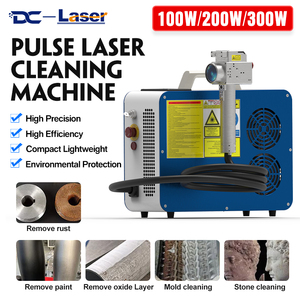
Powered by premium JPT MOPA fiber laser engine. Fully adjustable pulse width for sensitive metal/wood parts.
As industrial sectors across North America, Europe, and Asia-Pacific transition from hazardous chemical solvents and abrasive sandblasting to sustainable surface treatment, China has emerged as the premier manufacturing hub for advanced fiber laser cleaning systems. By combining cutting-edge MOPA (Master Oscillator Power Amplifier) pulse technology with cost-effective continuous wave (CW) laser sources, top Chinese OEMs provide scalable solutions tailored to global manufacturing, aerospace maintenance, automotive manufacturing, and heritage conservation.
Laser cleaning operates via selective photothermal and photomechanical destruction. When high-peak-power nanosecond laser pulses strike a surface, the targeted contaminant layer (rust, oxide, paint, oil) absorbs the 1064nm optical energy rapidly. This causes instantaneous thermal expansion, micro-vaporization, and shockwave generation, detaching the contaminant from the substrate without surpassing the damage threshold of the underlying metal, stone, or composite.
Selecting the optimal laser source architecture is the critical determinant of cleaning speed, surface roughness ($R_a$), thermal deformation, and overall return on investment (ROI).
Ultra-High Precision & Thermal Control (50W - 500W)
High-Throughput Heavy Industrial Stripping (1000W - 3000W)
| Performance Parameter | Pulsed MOPA Laser (100W-500W) | Continuous Wave CW Laser (1000W-3000W) | Primary Industry Advantage |
|---|---|---|---|
| Peak Power Capability | 10 kW - 100 kW (Instantaneous) | 1 kW - 3 kW (Constant output) | Pulsed provides superior ablation force without melting. |
| Heat Affected Zone (HAZ) | Near Zero (< 5 microns) | Moderate (Requires process speed control) | Pulsed preserves structural integrity of thin metals. |
| Cleaning Speed (Thick Rust) | 2.5 – 8.0 $m^2/hour$ | 15.0 – 45.0 $m^2/hour$ | CW dominates large-scale heavy industrial projects. |
| Optical Handgun Weight | 0.8 kg – 1.5 kg (Compact Ergonomic) | 1.8 kg – 2.5 kg (Heavy-duty optical galvo) | Lightweight guns reduce operator fatigue significantly. |
| Substrate Compatibility | Metals, Aluminum, Carbon Fiber, Stone, Wood | Thick Carbon Steel, Cast Iron, Structural Alloys | Pulsed allows multi-material industrial utility. |
As global environmental standards tighten (ESG mandates, REACH compliance, OSHA workplace dust regulations), industrial buyers are shifting capital expenditure toward automated laser cleaning systems.
Traditional laser cleaning heads weighed 3kg to 5kg, causing severe operator fatigue during multi-hour shifts. 2026 market standards prioritize handguns under 1kg—such as the 800g DHCP30 Pro—featuring dual-wobble galvo motors, integrated air purge channels, and quick-change QCS laser connectors.
Manual operation is giving way to 24/7 automated cell integration. Leading Chinese exporters now offer standard PLC communication protocols (Profinet, Ethernet/IP) enabling seamless connection with 6-axis articulated robots and collaborative cobots for continuous automated part decontamination.
Advanced 3-axis dynamic galvo focusers allow laser cleaning beams to maintain tight focus across complex curved surfaces, angled weld seams, and stepped dies without requiring manual Z-axis refocusing, eliminating cleaning dead zones.
Built under ISO 9001 certified quality management systems and CE safety compliance, Chinese laser exporters combine robust industrial build quality with global technical support networks.
Every laser system undergoes rigorous electrical safety checks, EMC testing, and interlock verification compliant with European Machinery Directive standards.
Backed by authorized global service distributors, remote diagnostic engineering, and rapid spare part replacement networks covering Europe, Americas, and APAC.
Validate your specific surface application before capital investment. Send test samples to our application lab for metallurgical evaluation and cleaning speed verification.
While initial equipment cost is higher for laser systems, zero consumables and automated operation lead to rapid payback periods (typically 6 to 14 months).
| Operation Criteria | Fiber Laser Cleaning | Sandblasting / Dry Ice | Chemical Solvent Stripping |
|---|---|---|---|
| Consumable Costs | $0 (Electricity only) | High (Grit, media, dry ice pellets) | High (Chemical solvents, neutralizing agents) |
| Hazardous Waste Disposal | Zero liquid/solid waste | High (Contaminated media disposal) | Very High (Regulated toxic chemical disposal) |
| Labor & PPE Requirement | Low (Laser safety glasses, basic mask) | High (Full suits, heavy respirators) | High (Chemical hazard hazmat suits) |
| Substrate Surface Wear | Zero abrasion (Pulsed) | High (Micro-pitting, loss of tolerance) | Variable (Chemical etching risk) |
| Environmental & ESG Rating | Green Eco-Compliant | Dust pollution / High noise | VOC emissions / Toxic run-off |
Expert responses to critical technical, operational, and commercial questions asked by international equipment buyers.