2026 Industry Sourcing White Paper

Top China Laser Etching Machine Factories & Exporters

An Industrial Procurement Guide & Technological Benchmark for Fiber, UV, and CO2 Laser Etching Systems

Enterprise Machinery Benchmark

High-Performance Laser Etching & Cutting Systems

Direct factory supply catalog featuring MOPA fiber, cold UV photon ablation, 3D dynamic galvo, and industrial tube processing units engineered to ISO 9001 standards.

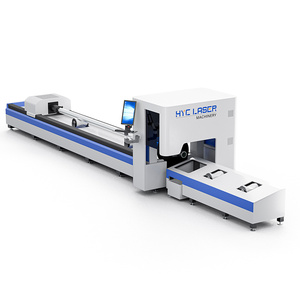
Tube Laser Bodor Flagship M Series Tube Laser Cutting Machine High Power Metal Tube Automatic Cutter for Sale

Bodor Flagship M Series High-Power Automatic Tube Laser Cutter

Heavy-duty structural steel tube processing unit equipped with automated chucking, real-time beam compensation, and high-wattage fiber laser sources.

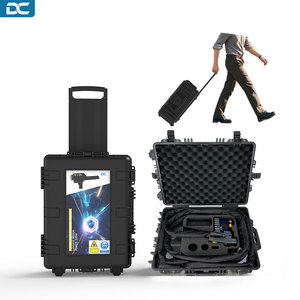
Pulsed Cleaner Dachuan Handheld 500W Portable Pulsed Fiber Laser Cleaner Wood Metal Stone Stainless Steel Aluminum Paper Laser Cleaning Machine

Dachuan 500W Portable Handheld Pulsed Fiber Laser Cleaner

Non-thermal micro-ablation system designed for substrate cleaning, oxide layer removal, and rust stripping without altering metal microstructures.

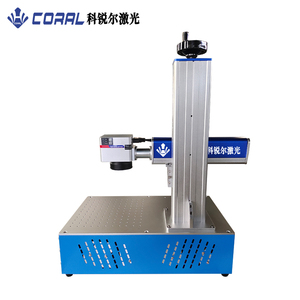
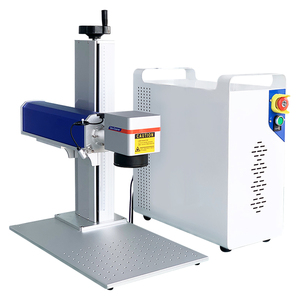
Fiber Marker Wholesale Price HG-ZM-A-D20 Engraving Engraver Machine Laser Marking Machine Fiber Laser Marking Machine With Hot Sale

HG-ZM-A-D20 Industrial Fiber Laser Marking & Etching Workstation

Cost-effective 20W/30W desktop laser engraver featuring high-speed digital galvo scanning heads for electronic tag and hardware serial code marking.

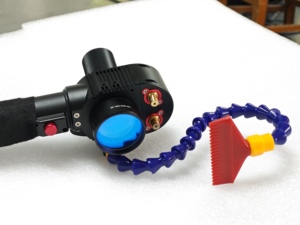
MOPA Pulse 800g Lightweight 300W Handheld MOPA Pulse Laser Cleaning Gun DHCP30 Pro with Built-in Blowing Air and QCS Connector

DHCP30 Pro 300W Lightweight MOPA Pulse Laser Cleaning Gun

Ultra-portable 800g ergonomic gun head engineered with built-in air blowing, QCS connectors, and variable pulse width control for sensitive surfaces.

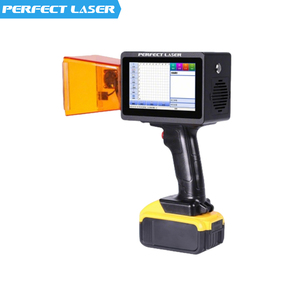
Mini Portable Perfect Laaser Handheld Portable Metal Acrylic Gold Sliver Rubber Wood Marker Mini Fiber Laser Marking Machine with LCD Screen

Perfect Laser Compact Mini Fiber Laser Marker with LCD Touchscreen

Integrated standalone portable laser marker suited for jewelry, precision gold/silver etching, acrylic coding, and field service marking operations.

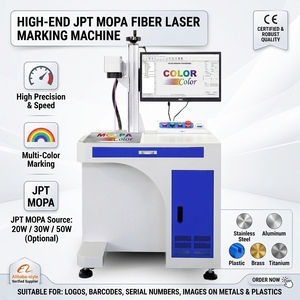
JPT MOPA Color New Industrial 50W Fiber Laser Marking for Metal JPT MOPA Source Color Marking Machine PLT/BMP for Stainless Steel 2026 CE

50W JPT MOPA Color Laser Etching Machine for Stainless Steel

Industrial-grade 2026 CE certified color laser engraver capable of controlled oxide layer creation on titanium and stainless steel substrates.

Heavy Pipe High-Quality Durable Multifunctional Fiber Laser Tube Cutting Machine For Industrial Metal Pipe Processing Equipment

Multifunctional Industrial Fiber Laser Metal Pipe Processing Rig

High-duty cycle laser tube cutter designed for structural steel, HVAC piping, and automotive frame manufacturing with zero-taper precision cut quality.

High Power Fiber Laser Engraving Machine For Advertising Companies High-Powered Laser Marker

High-Powered Commercial Fiber Laser Marker & Engraving System

Engineered for advertising signage, high-speed deep metal etching, matrix code serialisation, and continuous industrial production batching.

30+
Years Engineering Lineage
46+
Export Destinations Supported
3,300+
Global Industrial Deployments
ISO 9001
Certified Quality Assurance
Strategic Procurement White Paper

Selecting Top Chinese Laser Etching Machine Manufacturers: A Technical Framework

Evaluating beam quality, galvo dynamic response, optical source selection, and total cost of ownership (TCO) for global industrial buyers.

1. The Evolution of China’s Laser Machinery Export Landscape

Over the past two decades, China has transformed from an assembly hub for foreign optical machinery into the world's primary research, development, and manufacturing ecosystem for industrial laser systems. Leading OEM factories in Shandong, Jiangsu, and Guangdong have achieved complete supply-chain vertical integration. From growing synthetic optical crystals and extruding military-grade aluminum frames to developing high-speed digital galvo heads and proprietary control software, Chinese manufacturers offer unparalleled price-to-performance ratios.

However, for international procurement directors and manufacturing engineers, sourcing laser etching machines from China requires a sophisticated understanding of component provenance. Not all "50W Fiber Lasers" or "3D UV Marking Workstations" are constructed equally. Factors such as optical beam quality ($M^2 < 1.3$), thermal drift stabilization, structural rigidity, and electrical compliance differentiate world-class factories from budget exporters.

Information Gain Insight: The true performance metric of a laser etching workstation is not merely peak output wattage, but its Beam Parameter Product (BPP) and optical pulse consistency across extended operating cycles. Premium Chinese exporters utilize master oscillator power amplifier (MOPA) architecture to deliver adjustable pulse durations (2ns to 500ns), ensuring precise thermal control over heat-sensitive alloys and polymers.

2. Core Wavelength Technologies & Material Compatibility Matrix

When procuring from top China laser etching machine factories, identifying the correct wavelength and beam delivery mechanism is the critical first step to prevent costly equipment mismatch. The industrial laser spectrum is divided into three primary functional domains:

Laser Wavelength Laser Source Architecture Primary Material Processing Capability Key Industrial Advantages
1064 nm (Fiber / MOPA) JPT MOPA, Raycus, Maxphotonics, IPG Metals (Steel, Aluminum, Brass, Titanium), Engineering Plastics, Anodized Layers Extreme operational lifespan (>100,000 hrs), high energy efficiency, zero optical maintenance, deep engraving capability.
355 nm (Cold UV) Inno, Gainlaser, Bellin, HGLaser Glassware, Medical-grade Polymers, Silicon Wafers, Heat-Sensitive Plastics Photochemical "cold" ablation, zero heat-affected zone (HAZ), sub-micron resolution, prevents micro-cracking in glass.
10.6 µm / 9.3 µm (CO2) Synrad, Coherent, Davi, Reci Organic Materials: Wood, Acrylic, Leather, Textiles, Packaging Laminates, Paper Rapid volume removal, smooth micro-edge sealing on synthetic fabrics, high absorption rates across organic polymers.

3. Architectural Criteria for Evaluating Top Exporters

To ensure long-term operational uptime and international safety compliance, procurement teams must evaluate Chinese export manufacturers across five foundational engineering parameters:

A. Optical Source Provenance and Beam Quality ($M^2$)

The heart of any laser etching system is its optical emitter. Tier-1 exporters provide certified test reports showing beam parameter metrics ($M^2$ factor). For high-precision micro-etching and 2D DataMatrix code marking on medical implants, an $M^2$ rating of less than 1.4 is essential. Leading sources such as JPT M7 Series allow independent control of pulse frequency and pulse duration, enabling clean black annealing on stainless steel without degrading corrosion resistance.

B. Dynamic 3-Axis Focusing & Galvo Scanner Engineering

Standard 2D flat-field laser markers utilize F-theta scan lenses limited to flat surfaces within a defined focal plane. Advanced export factories integrate 3D dynamic focusing technology (using a motorized Z-axis dynamic expander lens). This allows the laser focal spot to dynamically adjust in real time across curved, inclined, or stepped surfaces up to $\pm 40\text{ mm}$ focal depth without manual refocusing or mechanical table movement.

C. Structural Rigidity and Vibration Damping

Industrial laser etching requires optical alignment tolerances within tens of micrometers. Superior Chinese factories build machine chassis using stress-relieved structural steel tubes or extruded aviation-grade aluminum rather than thin sheet metal. This prevents harmonic resonance from high-speed galvo acceleration (up to 12,000 mm/s) from translating into wavy vector lines or blurred raster graphics.

D. Electrical Safety, Grounding, and CE/ISO Certifications

Industrial machinery destined for North American or European markets must adhere strictly to international safety norms. Top exporters construct fully enclosed Class 1 laser safety cabinets equipped with interlocked door switches, double-channel safety relays, certified laser protective glass (OD6+), and proper EMC noise filtering. ISO 9001 quality management ensures rigorous factory acceptance testing (FAT) prior to crating.

Why Partner With Us

Direct Factory OEM/ODM Capabilities

We combine European compliance engineering standards with Chinese manufacturing agility to deliver world-class optical machinery.

ISO 9001 & CE Certified

Every system undergoes rigorous 72-hour burn-in tests, laser power meter verification, and electrical safety insulation audits before international dispatch.

3D Surface Marking Standard

Integrated 3-axis dynamic beam delivery system keeps the laser tightly focused across complex 3D contours, cylinder ramps, and multi-tier parts automatically.

Global Support in 46+ Countries

Supported by a comprehensive network of factory-trained service engineers, overseas spare-parts hubs, and real-time remote technical assistance.

Automated Cell Integration

Custom COBOT robot arm loaders, high-speed inline conveyor indexing, and automatic data plate hoppers engineered specifically for 24/7 smart manufacturing.

Decades of R&D Innovation

Over 30 years of continuous optical engineering expertise, maintaining dedicated testing laboratories and active joint-research programs with optical institutes.

Extended Warranty Protection

Multi-tier warranty packages ranging from standard 3-year factory warranties up to 10-year extended cover options depending on region and distributor agreement.

Strategic Outlook

Key Industry & Sourcing Trends (2026–2030)

Emerging technological breakthroughs transforming the global industrial laser processing market.

1. Shift Toward Ultra-Short Pulse (Picosecond & Femtosecond) Micro-Etching

While nanosecond fiber lasers dominate general marking and deep engraving, the market is experiencing a rapid migration toward picosecond and femtosecond pulse durations. Operating in the sub-nanosecond domain eliminates thermal diffusion entirely. Top Chinese factories are now exporting industrial-grade ultrafast laser systems capable of "cold" micro-machining brittle semiconductors, micro-fluidic glass channels, and sensitive medical catheters without burr formation or micro-cracking.

2. AI-Driven Machine Vision & Real-Time Quality Inspection

Modern automated assembly lines no longer accept blind laser execution. Next-generation laser etching workstations manufactured in China integrate high-resolution coaxially aligned vision cameras (CCD). Powered by artificial intelligence algorithms, these systems automatically locate randomly oriented parts on a conveyor, recognize geometry, adjust vector etching paths instantly, and perform post-etch 2D barcode contrast scoring (ISO/IEC 15415) to guarantee 100% scan readability.

3. Hyper-Customization and Modular OEM Purchasing Models

Global procurement teams are moving away from standardized turnkey boxes toward modular, highly customized laser integration heads. Exporters are offering standardized OEM laser sub-assemblies—comprising an IPG/JPT fiber source, 3D galvo head, embedded Linux control card, and API software suites—allowing overseas machine builders and system integrators to seamlessly embed Chinese laser etching engines into custom automated manufacturing cells.

4. Sustainability, Energy Efficiency, and Fume Extraction Standards

Environmental standards (ISO 14001) are reshaping industrial laser procurement. Advanced factories now design laser etching workstations with high-efficiency optical power conversion (>30% wall-plug efficiency), smart standby energy modes, and integrated closed-loop HEPA/activated-carbon fume extraction units. These accessories remove sub-micron particulate matter and toxic fumes generated during plastic ablation, protecting factory personnel and maintaining cleanroom standards.

Procurement Guidance

Frequently Asked Sourcing Questions (FAQ)

Essential technical and logistical answers for international industrial equipment buyers.

Which laser wavelength is required for my specific material application?

Material absorption spectrum dictates laser selection: MOPA Fiber Lasers (1064nm) are optimal for all metals (steel, aluminum, brass) and opaque engineering plastics. UV Lasers (355nm) are essential for heat-sensitive plastics, glass micro-etching, and white flame-retardant polymers due to cold photon ablation. CO2 Lasers (10.6µm) are designed for organic substrates like wood, acrylic, paper, glass surface etching, and leather.

What is the difference between Q-Switched and MOPA Fiber Lasers?

Q-switched fiber lasers have fixed pulse durations (typically 100ns–120ns), making them ideal for heavy deep engraving and general metal marking. MOPA (Master Oscillator Power Amplifier) fiber lasers offer adjustable pulse durations ranging from 2ns to 500ns. This fine control enables high-contrast black annealing on stainless steel without rusting, bright color etching on titanium, and non-burning marks on delicate plastics.

How does 3D Dynamic Focus differ from a standard manual Z-axis lifting table?

A manual or motorized Z-axis lifting table moves the physical laser head to set a flat focal plane prior to marking. A true 3D Dynamic Focus system utilizes a high-speed internal optical galvo lens that shifts the focal point continuously during vector execution. This allows the system to mark curved cylinders, spherical surfaces, multi-level stepped plates, and slanted angles up to 60 degrees in a single automated cycle.

What laser safety certifications are mandatory for importing into North America or Europe?

Systems imported into Europe must carry CE certification, fully complying with Low Voltage Directive 2014/35/EU, EMC Directive 2014/30/EU, and Laser Safety Standard EN 60825-1 (Class 1 for fully enclosed cabinets, Class 4 for open galvo workstations). For the United States, machines must comply with FDA CDRH (Center for Devices and Radiological Health) registration requirements and carry appropriate safety interlocks and labeling.

Can these laser etching machines integrate directly into automated factory production lines?

Yes. Top Chinese export factories design workstations with industrial I/O interfaces, RS232/RS485 serial communication, TCP/IP Ethernet networks, and software support for ActiveX/DLL integration. This allows PLC controllers, robotic arms (COBOTs), and inline conveyor sensors to trigger laser execution automatically and receive real-time status feedback.

What is the expected operating lifespan and routine optical maintenance requirement?

Solid-state Fiber and MOPA laser sources feature an operational lifespan rating of up to 100,000 hours (over 10 years of continuous 24/7 use) with zero internal optical alignment or gas refills required. Routine maintenance is limited to keeping the protective lens on the F-theta galvo head clean using optical-grade isopropyl alcohol and changing filters in the dust collector.

How are replacement optical parts, warranty service, and technical support handled internationally?

Tier-1 Chinese factories back international shipments with comprehensive 2 to 5 year component warranties. Standardized modular designs allow quick replacement of optical sources or galvo heads via express courier (DHL/FedEx). Overseas support is delivered via regional authorized distributor networks, remote desktop diagnosis, and real-time video engineering consultations.

Can I request a sample testing report on my raw materials before placing a machinery order?

Yes, reputable manufacturers strongly encourage pre-purchase material testing. You can ship your physical raw materials directly to the factory applications lab. Application engineers will perform wavelength testing, test multiple pulse frequency combinations, optimize vector speeds, and return high-resolution microscopic photography alongside a comprehensive laser parameter report.

Validate Your Laser Etching Application Today

Request a comprehensive product catalog, customized machinery quotation, or book a free sample test mark with our senior optical engineering team.