
Industrial Laser Coding & Marking Portfolio
Explore our high-performance inline laser coders, MOPA fiber engravers, UV micro-coders, and industrial automated cutting systems certified to ISO 9001 quality standards.
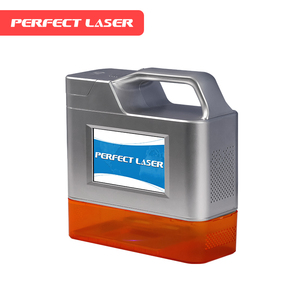
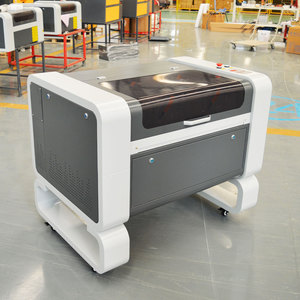
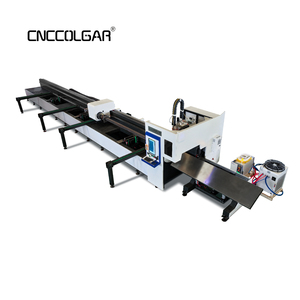
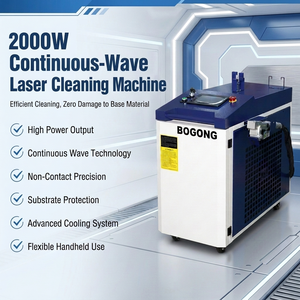
Why Leading Global Manufacturers Trust Our Engineering
We are a dedicated manufacturer, not a simple system integrator. Every unit is engineered, calibrated, and rigorously validated under stringent international standards.
ISO 9001 & CE Certified
Manufactured under accredited quality management standards. Full CE compliance ensuring total electrical, laser safety, and operational reliability across demanding factory floors.
3D Beam Delivery as Standard
Advanced 3-axis dynamic focusing optics maintain sub-millimeter spot sharpness across stepped, curved, and irregular geometries without manual refocusing or mechanical height change.
Made in Britain Standards
Designed, assembled, and quality-tested at our UK headquarters in Essex, supported by authorized distributor networks across 46 countries with expert technical SLAs.
Extended 10-Year Diamond Cover
We provide long-term peace of mind with robust mil-spec aluminum structural frames, ultra-reliable laser sources, and standard 3-to-10-year warranty options for qualified production facilities.
Zero-Consumables Eco Architecture
Eliminate hazardous inks, solvents, ribbons, and continuous chemical filter replacements. Transition to green, maintenance-free, energy-efficient photon-based industrial coding.
Cyber Essentials & Security Accredited
Certified operational data integrity. Fully compatible with automated enterprise software, Industry 4.0 PLC protocols, dynamic DataMatrix generation, and serialization databases.
Technical Deep-Dive: Next-Generation Inline Laser Coding Engineering
Modern industrial packaging and component manufacturing lines demand absolute traceability, speed, and regulatory compliance. Traditional Continuous Inkjet (CIJ) and Thermal Transfer Overprinting (TTO) technologies suffer from high total cost of ownership (TCO), continuous chemical consumable expenses, nozzle clogging downtime, and environmental disposal penalties. Inline laser coders deliver permanent, high-contrast 2D DataMatrix, GS1 barcodes, lot numbers, and expiration dates directly onto high-speed moving production targets without physical contact.
Wavelength Selection & Material Interaction Mechanics
Selecting the precise laser wavelength is critical to optimizing photothermal or photolytic surface reaction while preventing substrate degradation. Our modular systems integrate three core laser source architectures:
- MOPA Fiber Lasers (1064nm Wavelength): Featuring variable pulse durations from 2ns to 500ns, MOPA (Master Oscillator Power Amplifier) fiber sources allow fine frequency control. This enables dark corrosion-resistant annealing on medical stainless steel, high-speed deep engraving on metals, and high-contrast marking on engineered polymers without micro-cracking.
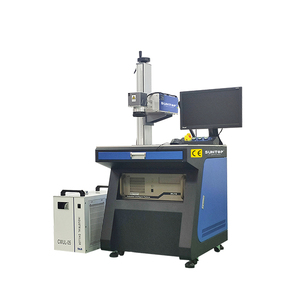
- Cold UV Lasers (355nm Wavelength): Operating in the ultraviolet spectrum, UV lasers utilize "cold processing" photolytic breaking of chemical bonds rather than thermal heating. This prevents thermal deformation, rendering them ideal for ultra-thin PET containers, HDPE closures, pharmaceutical blister packs, medical devices, and glass container etching.
- Galvo CO2 Systems (10.6µm, 10.2µm & 9.3µm Wavelengths): Optimized for organic substrates, CO2 laser coders excel at ultra-high-speed processing on paper packages, corrugated boxes, coated cardstock, wood, leather, and multi-layer film packaging.
| Laser Technology | Wavelength | Primary Thermal Effect | Max Line Speed Capacity | Key Target Substrates |
|---|---|---|---|---|
| MOPA Fiber Coder | 1064 nm | Photothermal Annealing / Ablation | Up to 350 m/min | Stainless Steel, Aluminum, Titanium, Anodized Metals, ABS |
| Ultra-Cold UV Coder | 355 nm | Photolytic Photochemical Ablation | Up to 280 m/min | Glass, PET, HDPE, Medical Polymers, Silicon Wafers |
| CO2 Galvo Coder | 10.6 / 9.3 µm | Thermal Photothermal Vapourization | Up to 600 m/min | Paperboard, Packaging Films, Glass Bottles, Wood, Rubber |
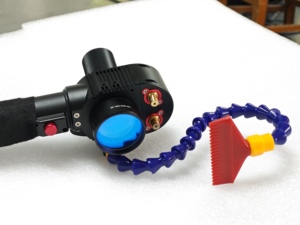
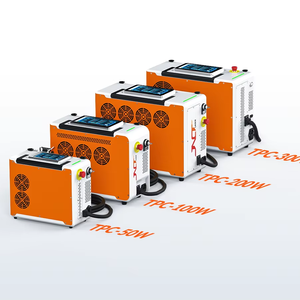
| Pulsed Laser Cleaner | 1064 nm (High Peak Power) | Ablative Oxide/Coating Stripping | Batch / Continuous Surface | Rust Removal, Coating Stripping, Pre-weld Prep |
Mark-on-the-Fly (MOTF) Line Synchronization Architecture
For seamless inline operation, our coders utilize hardware-level Mark-on-the-Fly (MOTF) digital feedback loops. High-resolution rotary quadrature encoders continuously stream line velocity changes to the laser controller card. The galvo scanner dynamically adjusts vector deflection in real time, ensuring zero code distortion or optical stretch even when production conveyors accelerate, decelerate, or stop mid-cycle.
Future Trends in Industrial Inline Laser Coding (2025–2030)
Strategic insights for procurement directors, factory operations leads, and automation engineers preparing for the next decade of smart packaging and serialization.
1. Mandatory Shift from Inkjet to Zero-Consumable Lasers
Driven by corporate ESG targets, ISO 14001 environmental standards, and rising chemical ink disposal penalties, global FMCG brands are actively replacing CIJ printers with zero-consumable laser coders to eliminate VOC emissions and ongoing supply chain dependencies.
2. AI-Powered Closed-Loop Vision Verification
Next-generation coders feature integrated vision sensors and artificial intelligence algorithms that grade dynamic DataMatrix and UDI codes according to ISO/IEC 15415 standards, automatically modulating laser power if surface contrast drops.
3. Full Industry 4.0 OPC UA & Cloud Interoperability
Inline coders are transitioning into intelligent edge nodes. Utilizing secure OPC UA protocols, Ethernet/IP, and Cyber Essentials-compliant connectivity, laser systems automatically pull dynamic batch serial numbers from enterprise ERP/MES platforms.
4. Ultra-Fast UV Photolytic Coding for Sustainable Packaging
As brands transition to compostable films, ultra-thin bio-plastics, and 100% recycled PET, traditional thermal lasers cause burn-through. Cold UV lasers will dominate sustainable packaging lines due to zero thermal deformation.
Frequently Asked Procurement & Technical Questions
Expert answers addressing operational concerns, installation parameters, and maintenance considerations for global machinery buyers.
How do I determine the correct laser wavelength for my line?
What line speeds can inline laser coders support during Mark-on-the-Fly (MOTF)?
What is the total cost of ownership (TCO) compared to inkjet (CIJ) systems?
What maintenance is required for inline laser coding systems?
What warranty and support coverage do international buyers receive?
How are laser safety Class 1 and Class 4 enclosures handled on fast lines?
Accelerate Your Production Line Efficiency Today
Speak with our senior laser application engineers to request a complimentary sample mark, schedule a live virtual system demonstration, or obtain detailed CAD integration specs for your project.