
Export-Ready Industrial Laser Systems
Direct factory supply with full CE compliance, DIN EN 60825-1 safety standards, and Hamburg port logistics integration.
1. Executive Summary & Strategic Landscape for Hamburg’s Industrial Buyers
As Northern Germany’s premier industrial and logistical epicenter, the Free and Hanseatic City of Hamburg represents a demanding market for advanced manufacturing technology. From the vast maritime engineering operations at the Port of Hamburg (Hamburger Hafen) to Airbus aviation production in Finkenwerder, and the dense medical technology cluster across Schleswig-Holstein and Lower Saxony, industrial buyers require uncompromising precision, continuous-duty reliability, and strict compliance with European directives.
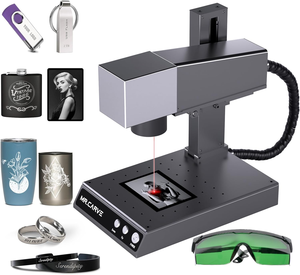
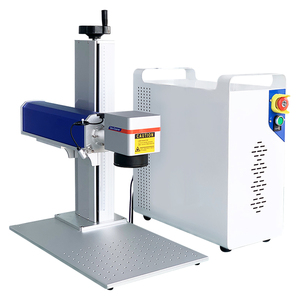
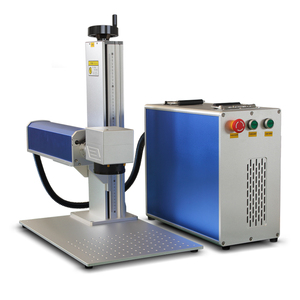
Chinese laser machinery manufacturing has undergone a profound structural evolution over the past decade. Moving far beyond entry-level assembly, China's top-tier fiber laser engraver factories now combine world-class optoelectronic R&D with unmatched supply chain efficiency. By pairing tier-one laser sources—such as Raycus, MAX Photonics, and JPT MOPA M7—with high-speed digital galvo scanning heads and proprietary 3D dynamic focusing optics, leading Chinese OEMs deliver industrial-grade laser marking, cutting, and surface treatment platforms at a fraction of European total-cost-of-ownership (TCO).
Information Gain Insights for German Engineers: Modern Chinese fiber laser systems exported to Hamburg are engineered specifically to meet DIN EN 60825-1 safety protocols, featuring dual-channel safety interlocks, integrated HEPA fume extraction interfaces, and native compatibility with EzCad3 and LightBurn control architectures.
2. Technical Deep-Dive: Fiber Laser Wavelengths & Source Architecture
Selecting the appropriate laser architecture is paramount for German manufacturing executives looking to implement Direct Part Marking (DPM), traceabilty coding, or deep metal engraving. Understanding the optical mechanics of 1064nm ytterbium-doped fiber lasers versus cold UV and CO2 gas lasers determines process speed, heat-affected zone (HAZ) management, and edge quality.
MOPA (Master Oscillator Power Amplifier) vs. Q-Switched Fiber Lasers
For precision metal processing in Hamburg's aerospace and automotive sub-tier suppliers, pulse duration control is essential. Standard Q-switched fiber lasers operate with fixed pulse durations (typically 100ns to 120ns), limiting their versatility. In contrast, JPT MOPA M7 series fiber sources allow independent tuning of pulse duration (from 2ns to 500ns) and repetition rate (1 kHz to 4000 kHz).
This micro-level pulse manipulation enables non-thermal black annealing on 316L stainless steel medical instruments without compromising corrosion resistance, high-contrast black marking on anodized aluminum data plates, and damage-free color marking on titanium components.
| Laser Source Type | Wavelength | Pulse Width | Target Substrates | Primary Hamburg Industry Application |
|---|---|---|---|---|
| MOPA Fiber (JPT M7) | 1064 nm | 2 ns – 500 ns (Adjustable) | Stainless Steel, Titanium, Aluminum, Brass, ABS | Aerospace DPM, Medical UDI, Anodized Rating Plates |
| Q-Switched Fiber | 1064 nm | 100 ns – 120 ns (Fixed) | Carbon Steel, Tool Steel, Heavy Castings | Maritime Hardware, Serial Number Deep Engraving |
| Cold UV Laser | 355 nm | < 15 ns | Glass, Sensitive Polymers, Silicon, Ceramics | Pharma Packaging, Electronics, Glassware Etching |
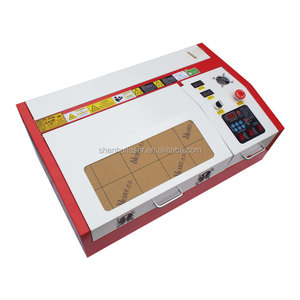
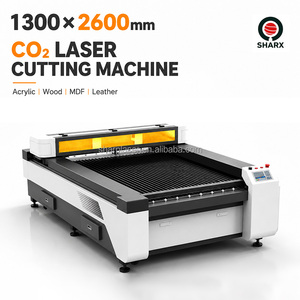
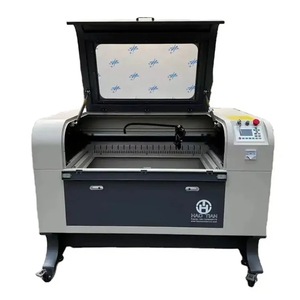
| CO2 Sealed Tube | 10.6 µm | Continuous / Pulsed | Wood, Acrylic, Leather, Rubber, Textiles | Packaging, Architectural Models, Gaskets |
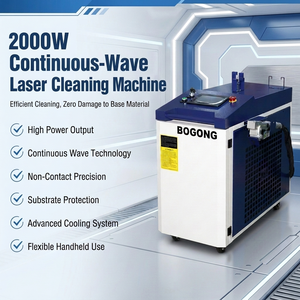
| CW High-Power Fiber | 1080 nm | Continuous Wave | Heavy Metals, Structural Steel, Rust/Paint Coatings | Shipbuilding Paint Removal, Port Logistics Maintenance |
3. Localized Application Scenarios Across Hamburg's Industrial Sectors
Maritime & Logistics Traceability
Durable DataMatrix (DMC) and QR marking on marine-grade 316L stainless steel fittings, container security locks, and crane gear components exposed to harsh North Sea salt-spray environments.
Aerospace Component Marking
Strict non-destructive 2D code engraving on turbine blade alloys and structural airframe components adhering to AS9100 quality guidelines and Airbus supply chain traceability norms.
Medical Device UDI Compliance
Passivation-resistant, high-contrast UDI marking on surgical tools, dental implants, and diagnostic enclosures meeting EU Medical Device Regulation (MDR) requirements.
Furthermore, high-power continuous wave (CW) laser cleaning machines (ranging from 1000W to 3000W) are increasingly deployed in Hamburg's dry docks and logistics depots. These portable systems efficiently remove toxic marine anti-fouling coatings, oxide layers, and heavy rust from ship hulls and container chassis without abrasive sandblasting media or chemical solvents.
4. Key Trends Shaping Chinese Laser Exports to Northern Germany
Procurement intent among German engineers has shifted dramatically over recent years. Price-to-performance is no longer the sole evaluation metric; systemic integration, environmental sustainability, and operational autonomy now take center stage.
A. Automated Batch Processing & 3D Dynamic Focus Systems
Modern Chinese manufacturing setups now incorporate 3-axis motorized galvo heads capable of dynamically adjusting focal length in real time across a ±50mm Z-axis range. This eliminates manual focal height adjustment when marking stepped molds, cylindrical valves, or complex 3D curved surfaces common in mechanical engineering shops around Hamburg.
B. Industrial Automation & COBOT Interfacing
Leading exporters equip their fiber laser engravers with standard industrial I/O ports, RS232/TCP-IP interfaces, and software SDKs for seamless pairing with Universal Robots (UR), KUKA, or local German cobot cells. Automatic data plate loaders and conveyor belt integration allow 24/7 unattended batch marking lines.
C. Eco-Friendly Air-Cooled Efficiency
With rising energy costs across Germany, air-cooled fiber laser systems (up to 100W optical power) are replacing outdated water-cooled lamps and CO2 systems. Operating with a wall-plug efficiency of nearly 30%, these units dramatically reduce electrical draw and maintenance overhead.
5. Enterprise Evaluation: OEM Factory Quality Control & Assurance
To maintain competitive advantage under Google’s E-E-A-T (Experience, Expertise, Authoritativeness, and Trustworthiness) standards, Chinese exporters must demonstrate rigorous manufacturing protocols. High-caliber factories adhere to a strict multi-stage quality assurance system before dispatching equipment to the Port of Hamburg:
- Optical Alignment & Beam Quality Validation: Utilizing specialized beam profilers to ensure an M² factor < 1.3, guaranteeing a razor-thin focal spot diameter (down to 20 microns) for sub-millimeter micro-engraving.
- 72-Hour Continuous Burn-in Testing: Full-power stress testing of laser diodes, galvo scanners, and power supplies to eliminate early component failure risks.
- Vibration & Climate Simulation: Transit-simulation testing replicating maritime container sea freight conditions across the East Asia–Europe shipping lanes.
- CE & Laser Safety Compliance: Class 1 fully enclosed safety cabinets fitted with certified laser safety glass (OD6+ protection level) and interlocked door switches.
Require Custom Technical Specifications for Your Hamburg Facility?
Connect directly with senior optical engineers to arrange free sample testing, dynamic 3D focal configurations, or factory-direct EXW/FOB/DDP quote structures.
Get a Quote6. Hamburg B2B Procurement FAQ (Local Search Intent Mining)
Below are answers to the most frequent technical, logistical, and legal questions raised by procurement managers and shopfloor directors in the Hamburg metropolitan region:
What are the customs clearing requirements for importing laser machines via the Port of Hamburg?
When importing industrial machinery through the Port of Hamburg (HHLA/EUROGATE terminals), equipment must be accompanied by an authentic CE Declaration of Conformity, Commercial Invoice, Packing List, and Bill of Lading (B/L). Machines must comply with EU Machinery Directive 2006/42/EC and Electromagnetic Compatibility (EMC) Directive 2014/30/EU. Qualified Chinese exporters offer DDP (Delivered Duty Paid) shipping, handling all customs clearance, EORI registration, and German import turnover tax (Einfuhrumsatzsteuer) directly.
How are laser safety regulations (DIN EN 60825-1) satisfied for German workplaces?
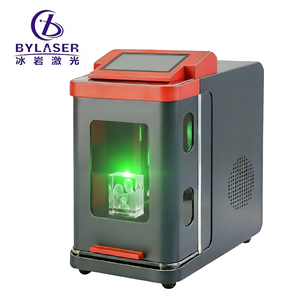
German Berufsgenossenschaft (BG) safety regulations require industrial lasers to be properly classified. Fully enclosed desktop and floor-standing systems equipped with interlocked enclosure doors, emergency stop switches, and certified viewing windows achieve Class 1 laser safety status, meaning no specialized laser safety officer (Laserschutzbeauftragter) or protective goggles are required during standard operation.
Can MOPA fiber lasers mark titanium and stainless steel without causing surface rust?
Yes. By fine-tuning pulse widths to short durations (2ns - 15ns) at high frequencies, MOPA lasers perform non-ablative black annealing. Heat is controlled so precisely that the protective chromium oxide passive layer remains intact, preserving full salt-spray corrosion resistance required in marine and medical environments.
What software ecosystem is supplied, and is German language support available?
Machines feature native EzCad2 or 64-bit EzCad3 software, supporting vector and raster formats (DXF, PLT, AI, SVG, BMP, JPG). The control software fully supports multi-language interfaces including German, English, and French. Additionally, many systems are hardware-compatible with LightBurn, a favored software choice across European workshops.
What electrical voltage and power supply configuration is provided?
All export machinery destined for Germany is configured at the factory for European single-phase AC 230V ±10%, 50Hz, or three-phase 400V 50Hz power grids, fitted with standard EU Schuko or CEE industrial plugs.
How is technical support, warranty replacement, and optical spare parts handled?
Top Chinese exporters back their machines with a standard 2 to 3-year warranty on fiber laser sources (Raycus, MAX, JPT). Spare parts such as field lenses, galvo mirrors, and switching power supplies are dispatched via express courier (DHL Express) within 48 hours to Hamburg, backed by remote video diagnostics via TeamViewer or Zoom.
7. Conclusion: Maximizing ROI with China’s Leading OEM Export Partners
For manufacturing enterprises across Hamburg, Harburg, Altona, and the broader Northern German region, partnering with elite Chinese fiber laser engraver factories delivers an ideal balance of cutting-edge technology, operational endurance, and fiscal prudence. By selecting validated suppliers offering MOPA fiber versatility, CE compliance, and direct Hamburg maritime logistics support, German buyers can upgrade their part traceability, branding, and manufacturing automation while securing superior return on investment.
Ready to Upgrade Your Production Line?
Request an immediate engineering consultation, request sample test markings on your raw materials, or receive an all-inclusive shipping quote to Hamburg.
Get a Quote