
High-Performance Laser Marking & Cutting Portfolio
Engineered for global export with full compliance, robust optics, and tailored configurations for Colombian industrial applications.
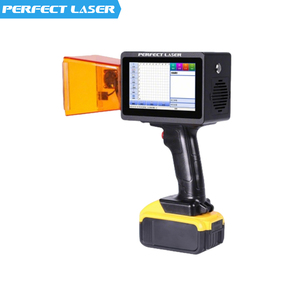
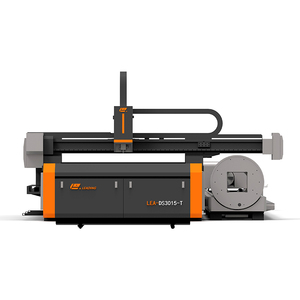
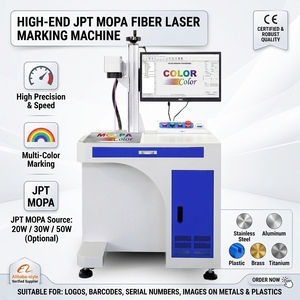
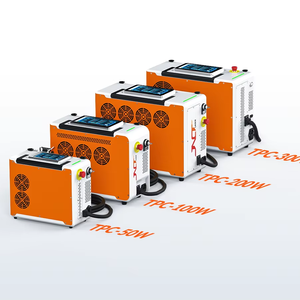
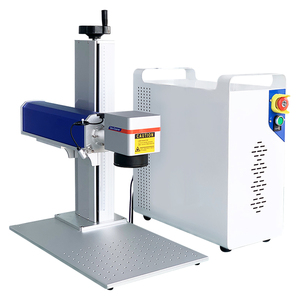
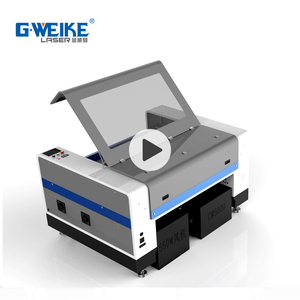
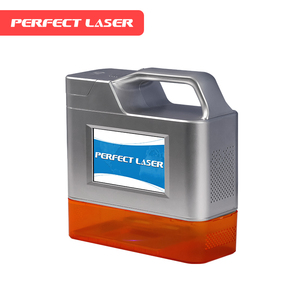
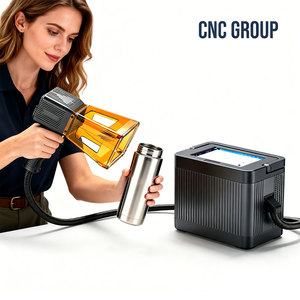
Navigating CO2 Laser Marking Technologies in the Colombian Industrial Sector
As Colombia's manufacturing landscape accelerates under the banner of Industria 4.0, industrial facilities across key economic centers—including Bogotá D.C., Medellín (Antioquia), Cali (Valle del Cauca), and Barranquilla (Atlántico)—are facing heightened pressures to modernize production lines. The adoption of high-precision CO2 laser marking and coding systems has evolved from a operational luxury to a strategic necessity for export compliance, anti-counterfeiting, and direct-part packaging traceability.
Colombian manufacturers operating under strict local regulations—such as INVIMA (Instituto Nacional de Vigilancia de Medicamentos y Alimentos) for pharmaceuticals and cosmetics, and DIAN (Dirección de Impuestos y Aduanas Nacionales) for tax-stamped goods—require permanent, tamper-proof laser serialization. Traditional inkjet coders (CIJ) present ongoing operational overhead due to solvent consumables, hazardous chemical storage, thermal degradation in humid Caribbean zones, and print smudging on non-porous substrates. In contrast, RF-excited metal tube CO2 laser coders deliver consumable-free, maintenance-light operation engineered for continuous high-speed production lines.
Zero Consumable Overhead
Eliminate ink, solvents, ribbons, and filter replacements. CO2 lasers utilize thermal optical disruption, reducing cost-per-mark to near zero over a 100,000-hour laser tube lifespan.
INVIMA & GS1 Traceability Compliance
Generate high-density DataMatrix codes, QR codes, GS1-128 barcodes, and lot/expiration numbers that remain permanent through harsh logistics and ambient humidity changes.
Wavelength Selection & Optical Physics for Substrate Matching
CO2 laser markers operate primarily in the far-infrared spectrum at three distinct wavelengths: 10.6 µm, 10.2 µm, and 9.3 µm. Choosing the precise laser emission wavelength is critical for Colombian process engineers, as optical absorption coefficients dictate whether a material experiences crisp surface vaporization, clean color-change reaction, or structural melting.
10.6 µm Wavelength
Standard Industrial Workhorse: Optimally absorbed by organic substrates including cardboard packaging, wood, paper labels, glass bottles, raw leather, rubber, and painted acrylics.
10.2 µm Wavelength
Film & Foil Specialist: Engineered for thin laminated flexible packaging, polypropylene (PP) films, and PE foils commonly deployed in snack food and coffee pouch manufacturing.
9.3 µm Wavelength
PET Plastic Standard: Matches the molecular resonance peak of Polyethylene Terephthalate (PET). Prevents micro-fracturing or pinhole burn-through on beverage bottles and clear thermoformed trays.
| Laser Source Type | RF Metal Tube (All-Metal Sealed) | DC Glass Tube (Water-Cooled) |
|---|---|---|
| Operational Lifespan | 45,000 – 100,000 Hours (Refillable) | 3,000 – 10,000 Hours (Disposable) |
| Beam Quality (M²) | M² < 1.2 (Ultra-fine spot size for micro-coding) | M² 1.5 – 2.0 (Broader spot focus) |
| Marking Speed (MOTF) | Up to 12,000 mm/s (High-speed conveyor coding) | Up to 2,000 mm/s (Low to mid-speed batching) |
| Cooling Requirements | Integrated Air-Cooling or Compact Chiller | Mandatory External Water Chiller & Deionized Liquid |
| Enclosure Protection | NEMA 4 / IP54 - IP65 Industrial Sealed | Open Frame / Fragile Glass Envelope |
Localized Applications Across Colombia’s Key Manufacturing Hubs
From coffee exporters in the Eje Cafetero to pharmaceutical complexes in Cundinamarca, tailored laser configuration is essential for regional substrate variance.
Coffee & Agro-Export (Eje Cafetero / Huila)
Direct marking of organic QR codes, batch numbers, and origin certificates on multi-layer foil pouches, jute bag tags, and outer corrugated shipping cartons. High-contrast CO2 laser coding ensures seamless customs clearance in European and North American ports without ink degradation.
Pharma & Cosmetics (Bogotá D.C. & Cali)
INVIMA-compliant 2D DataMatrix and serial number marking on blister card packaging, folding cartons, glass ampoules, and HDPE containers. Zero-contact thermal ablation prevents structural compromise to delicate medical sealings.
Textile, Apparel & Leathercraft (Medellín & Itagüí)
Automated vector cutting and denim fading/marking. CO2 galvo scanners etch intricate graphic patterns, branding patches, and size tags onto natural leather, synthetic suede, and cotton denim with localized thermal edge-sealing.
Beverage Bottling (Barranquilla & Yumbo)
High-speed Marking-on-the-Fly (MOTF) integrated directly onto conveyor lines running up to 300 meters per minute. 9.3 µm lasers cleanly code production dates onto PET water and soft drink bottles without weakening bottle pressure resistance.
Zonas Francas / Export Manufacturing
Duty-free zone manufacturers in Zona Franca Fontibón, Zona Franca Rionegro, and Zona Franca Pacífico require multi-language vector marking, dynamic counter increments, and fast integration with PLC industrial networks (EtherNet/IP, PROFINET).
Architectural Wood & Acrylic Signage
Large-format galvo cutting and deep engraving for wooden artisan products, acrylic displays, architectural models, and corporate awards. High-wattage 150W-400W CO2 systems offer smooth, polished cut edges without post-processing.
CO2 vs. Fiber vs. UV Laser Technologies
Selecting the ideal laser technology depends on material absorption properties and thermal tolerance.
| Feature Spec | CO2 Galvo Laser (10.6µm / 9.3µm) | MOPA Fiber Laser (1064nm) | UV Cold Laser (355nm) |
|---|---|---|---|
| Primary Substrates | Wood, Glass, Packaging, PET, Paper, Leather, Acrylic | Bare Metals, Anodized Aluminum, Engineered Plastics | Heat-Sensitive Plastics, Glass, Silicon, Medical Devices |
| Interaction Type | Thermal Photo-Vaporization / Ablation | Thermal Photothermal / Engraving / Annealing | Photochemical "Cold" Micro-Disruption |
| Heat Affected Zone (HAZ) | Moderate to Low (Controlled by Pulse Width) | Moderate to High (Depending on Power) | Negligible / Zero Thermal Distortion |
| Operating Cost | Very Low (Consumable-Free) | Very Low (Consumable-Free) | Low (Periodic Diode Maintenance) |
| Best Colombian Sector | Agro-Export, Coffee, Bottling, Cardboard, Leather | Automotive Parts, Metal Tools, Structural Steel | Pharma Blister, Cosmetics Glass, Micro-Electronics |
Why Leading Colombian Manufacturers Partner with Us
ISO 9001:2015 & CE Compliance
Our complete manufacturing pipeline is accredited under ISO 9001 quality management systems. Every machine exported to Colombia carries full CE certification, internal safety interlocks, and Class 1 laser enclosure options.
3D Dynamic Optical Focusing
Equipped with 3-axis galvo dynamic focus heads, our systems effortlessly mark across multi-tier stepped surfaces, inclined planes, cylinders, and complex 3D organic shapes without manual Z-axis readjustment.
Altitude & Climate Tropicalization
Engineered specifically for South American geographic variations. Sealed optical paths and upgraded cooling radiators protect internal mirrors from high altitude low pressure (Bogotá 2,640m) and tropical Caribbean humidity.
Frequently Asked Questions for Importing Laser Markers to Colombia
Ready to Upgrade Your Manufacturing Line in Colombia?
Consult with our senior application engineers to receive customized factory layouts, optical substrate evaluations, and direct FOB/CIF door-to-door shipping quotes to Colombia.