
Industrial Laser Machinery Portfolio
Direct Factory OEM Equipment Configured for New Zealand Importers, Fabricators, and High-Precision Manufacturers
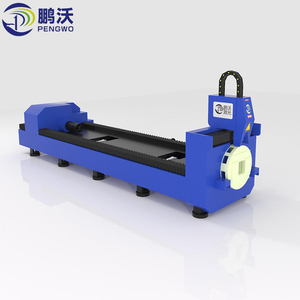
3000W Automatic Feeding CNC Industrial Laser Pipe Cutting Machine Metal Tube Fiber Laser Cutter AI Graphic Direct Manufacturer
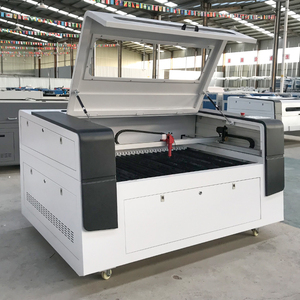
100W AI Laser Engraving Motor Metal Sheet Acrylic Plastic PVC Wood Paper CO2 Laser Cutting Machine
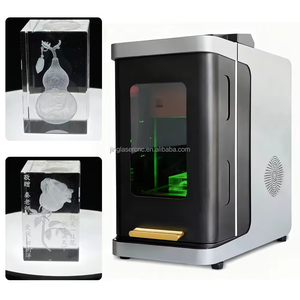
Air Cooling Green Light Laser Marking Machine Portable 2D 3D Crystal Glass Block Ball Subsurface Inner Laser Engraver
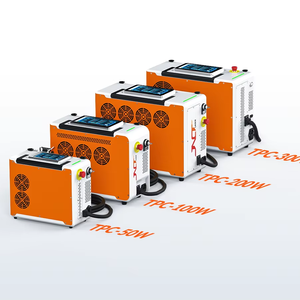
Laser Cleaning Solution For Heavy-Duty Applications 300W Pulsed Power, Zero Consumables
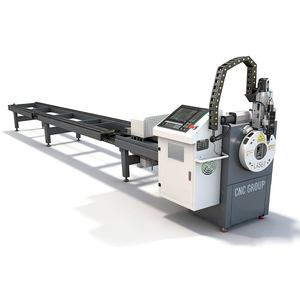
Simple Laser Tube and Pipe Cutting Machine
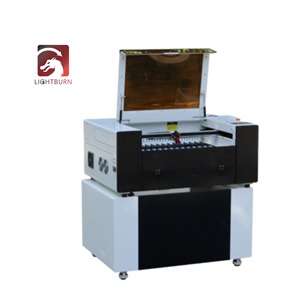
SM-Pro Series 1000x600mm CO2 Laser Engraving Cutting Machine 50W-130W Lightburn Compatible
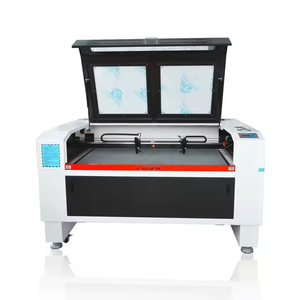
Fully automatic 6090/1390/1610 CO2 laser cutting machine for acrylic board
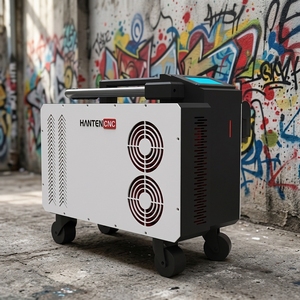
Laser Graffiti Removal Machine Portable Pulse Cleaning Equipment for Wall Stone Surface Restoration
1. Architectural Breakdown: The Physics & Metallurgy of Color Laser Engraving
Color laser engraving on metallic substrates—primarily 304/316L stainless steel and Grade 5 Titanium (Ti-6Al-4V)—represents a major leap forward from conventional Q-switched ablation techniques. Rather than removing material or applying external pigments, modern color laser engravers leverage Master Oscillator Power Amplifier (MOPA) fiber laser sources to induce controlled thermal oxide growth on metal surfaces. This whitepaper analyzes the mechanical, optical, and chemical parameters governing color laser technology for industrial buyers, OEM machinery builders, and high-precision workshops across New Zealand.
1.1 Thin-Film Optical Interference & Oxide Layer Formation
The visual color generated during MOPA laser processing is an optical phenomenon caused by thin-film interference. When the focused laser beam heats the metal surface in the presence of atmospheric oxygen, a transparent dielectric metal oxide layer (primarily chromium oxide $\text{Cr}_2\text{O}_3$ and iron oxide $\text{Fe}_2\text{O}_3$ on stainless steel) forms instantly. As incident light strikes the treated surface, a portion reflects off the top boundary of the transparent oxide film, while another portion penetrates the film and reflects off the underlying metal substrate.
The phase difference between these two reflected light waves causes constructive or destructive interference across specific visible light wavelengths (380 nm – 750 nm). By modulating the laser's pulse duration (1 ns to 500 ns), pulse frequency (1 kHz to 4000 kHz), line spacing (hatching pitch from 0.001 mm to 0.005 mm), and scanning speed, our MOPA fiber laser systems precisely control the oxide film thickness between 20 nanometers and 350 nanometers. This precise control produces vibrant hues including yellow, orange, magenta, sky blue, deep blue, green, and dark violet without altering the material's physical integrity or corrosion resistance.
Technical Insight for NZ Engineers: Unlike traditional chemical etching or ink printing, MOPA laser color annealing preserves the smooth surface profile of stainless steel. It eliminates chemical bath waste, ensuring full compliance with New Zealand's Resource Management Act (RMA) and WorkSafe NZ environmental discharge regulations.
1.2 MOPA Fiber Technology vs. Standard Q-Switched Lasers
Conventional Q-switched fiber lasers possess a fixed pulse duration (typically 100 ns to 120 ns) and limited frequency adjustment range (20 kHz to 80 kHz). When applied to stainless steel, Q-switched systems generate excessive heat input, leading to uncontrolled ablation, localized micro-cracking, and a narrow spectrum of muddy brown or dark grey oxide marks.
In contrast, our direct-factory MOPA color laser engravers utilize independent semiconductor laser seed sourcing coupled with a fiber amplifier stage. This architecture permits independent manipulation of pulse frequency and pulse duration. Ultra-short pulse widths (2 ns – 15 ns) allow fine thermal input control, suppressing melt pool expansion and allowing clean oxide layer stack-ups. Longer pulse widths (100 ns – 250 ns) enable deep dark black annealing (dark marking without engraving depth) ideal for medical device serialization and food-grade dairy processing equipment in New Zealand.
Factory OEM Advantage & Core Innovations
Why New Zealand Manufacturers Partner Direct with Our Production Facility
Custom MOPA Engine
Variable pulse duration (1–500ns) and wide frequency modulation up to 4MHz enable 200+ distinct color profiles on stainless steel and titanium alloys.
AS/NZS IEC Compliance
Built to satisfy AS/NZS IEC 60825.1 safety standards with fully enclosed Class 1 laser housing options, safety interlocks, and integrated fume extraction ports.
High-Speed Galvo Scanners
Digital high-speed galvo heads achieve marking speeds up to 12,000 mm/s with positioning accuracy of ±0.001 mm for high-throughput assembly lines.
3D Dynamic Focus Option
Motorized Z-axis and 3D dynamic galvo optics allow uniform color laser marking on curved, stepped, angled, and irregular 3D surfaces in a single pass.
LightBurn & EzCad3 Ready
Seamless integration with industry-standard CAD/CAM vector software, supporting 2D matrix, QR code generation, serial number auto-increment, and AI graphics.
Direct NZ Factory Support
Comprehensive remote engineering setup, optical calibration assistance, spare parts dispatch via DHL/FedEx, and customized parameter libraries for local alloys.
2. Localized New Zealand Application Scenarios & Industry Integration
New Zealand’s industrial framework blends world-leading agricultural technology, marine engineering, food processing equipment manufacturing, premium viticulture, and bespoke architectural metalwork. Our color laser engravers and industrial laser systems are custom-engineered to solve specific operational challenges within the Kiwisaver economic sectors.
2.1 Agritech, Dairy Processing & Food Equipment Identification
New Zealand is a global powerhouse in dairy technology (led by enterprises across the Waikato, Canterbury, and Southland regions). Equipment used in milk collection, pasteurization, and cheese production demands high-grade 316L stainless steel construction. Traditional ink labeling or physical stamping creates bacterial traps or degrades under harsh CIP (Clean-In-Place) caustic washdown cycles.
Our MOPA color laser systems perform zero-depth black annealing and color-coded identification marks on dairy valves, flow meters, heat exchangers, and milking parlor components. Because the laser-induced oxide layer leaves the passive chromium oxide film intact (validated via ASTM B117 salt spray testing), the marking remains corrosion-resistant, hygienic, and non-contaminating under Fonterra and Ministry for Primary Industries (MPI) sanitary standards.
2.2 Viticulture, Craft Beverage & Marine Engineering in Auckland & Marlborough
From the Marlborough wine region to Auckland’s marine fabrication hubs, branding and traceability are essential for export success. Color laser engravers are used to etch high-contrast, multi-color logos, batch codes, and vintage certifications directly onto stainless steel wine vats, custom sommelier tools, titanium spirit flasks, and brass cellar fixtures.
In maritime manufacturing along the Waitematā Harbor and Nelson dockyards, 316L stainless marine hardware—such as cleats, rigging screws, winch housings, and custom yacht trim—requires permanent marking capable of resisting extreme salt fog spray. Color laser annealing allows marine engineers to apply color-coded load ratings, brand badges, and QR codes that withstand marine environmental degradation without peeling or fading.
2.3 Architectural Hardware, Signage & Maori Craftsmanship Integration
Architectural metal fabricators in Christchurch, Wellington, and Auckland increasingly utilize high-power MOPA color engravers and CO2 cutter-engravers for high-end exterior panels, brass decorative plates, and stainless steel interior fixtures. Furthermore, localized craft workshops incorporate our hybrid lasers for detailed marking on native New Zealand timbers (such as Kauri, Rimu, and Totara), anodized aluminum, and traditional stone artwork (including Pounamu/greenstone processing with green/UV subsurface engravers).
Laser Technology Selection Matrix for NZ Buyers
Compare Source Wavelengths, Material Compatibilities, and Operational Parameters
| Laser Source Type | Wavelength | Primary Target Materials | Key Process Advantage | HAZ (Heat Affected Zone) | Recommended NZ Industry |
|---|---|---|---|---|---|
| MOPA Fiber Laser | 1064 nm | Stainless Steel, Titanium, Aluminum, Brass | Multi-color annealing, deep black marking, no micro-cracks | Ultra-Low / Controlled | Agritech, Dairy Valves, Marine Hardware, Metal Art |
| UV Cold Laser | 355 nm | Glass, Sensitive Plastics (PE/PP/ABS), Medical Silicones | Photothermal cold processing, zero thermal distortion | Zero Heat Effect | Medical Devices, Electronics, Wine Packaging |
| CO2 Laser (SM-Pro) | 10.6 µm | Wood (Kauri/Rimu), Acrylic, Leather, Textiles, Paper | High-speed non-metal cutting and deep surface engraving | Medium (Clean Edge) | Signage, Architectural Models, Timber Crafting |
| Pulsed Laser Cleaner | 1064 nm | Steel, Cast Iron, Stone, Masonry, Oxide Layers | Chemical-free rust, paint, coating, and graffiti removal | Zero Substrate Harm | Heritage Restoration, Boat Maintenance, Structural Maintenance |
3. New Zealand Market Growth Trends & Strategic Manufacturing Advantages
Evaluating the adoption rate of CNC laser systems in New Zealand reveals clear market forces accelerating the transition from legacy mechanical engravers and chemical etching tanks to automated color fiber laser workstations.
3.1 Elimination of Consumables & Carbon Footprint Reduction
As New Zealand advances towards its Net-Zero 2050 targets, industrial operators face increasing carbon compliance scrutiny. Traditional pad printing and inkjet coding require continuous purchase of solvent-based inks, toxic thinners, and print heads. These consumables create hazardous waste streams and add significant ongoing operating costs, amplified by NZ’s geographical distance and freight costs.
Direct fiber and color laser engravers operate purely on electrical power (consuming under 500W for standard benchtop units). By eliminating chemical ink cartridges, acid baths, and disposal fees, manufacturers achieve an ROI within 8 to 14 months while aligning with eco-conscious export brand identities ("100% Pure New Zealand").
3.2 Industry 4.0 Integration & Automated QR/Data Matrix Coding
Modern export markets demand complete supply chain transparency. Under international food safety and machinery standards (GS1 DataMatrix, ISO/IEC 15415 standards), every component must feature a machine-readable barcode or QR code. Our color laser systems seamlessly integrate with factory automated lines, reading CSV databases, PLC triggers, and AI vision cameras to automatically mark dynamic serial codes, time stamps, and color-coded quality assurance indicators at high production speeds.
4. Enterprise Manufacturing Standards & Global Logistics Support
As a global OEM direct manufacturer and factory supplier, we prioritize technical rigor, mechanical stability, and international safety compliance across every machine leaving our assembly floor.
4.1 Class 7 Cleanroom Optical Cavity Assembly & ISO 9001 Alignment
The optical core of our MOPA fiber laser engines and UV cold laser sources is assembled within ISO Class 7 cleanrooms to prevent ambient dust contamination on optical isolators, Q-switches, and beam combiners. Each machine undergoes a continuous 72-hour full-power burn-in stress test, thermal imaging evaluation, and beam profile optical analysis ($M^2 < 1.2$) prior to export packaging.
4.2 Logistics, Customs Duties & Power Configuration for New Zealand
We provide comprehensive export support tailored specifically for New Zealand business buyers:
- Electrical System: Pre-configured 230V / 50Hz single-phase or 400V / 50Hz three-phase power supplies with NZ standard AS/NZS 3112 electrical plugs.
- Laser Safety Enclosures: Interlocked Class 1 protective housings certified to AS/NZS IEC 60825.1 regulations with anti-laser wavelength viewports.
- Direct Freight Solutions: Air freight delivery directly to Auckland (AKL), Wellington (WLG), or Christchurch (CHC) international airports, or ocean container freight to Ports of Auckland, Tauranga, or Lyttelton.
- Duty & Import Assistance: Full provision of HS Code documentation, Certificate of Origin (COO), and commercial invoices enabling streamlined NZ Customs (Customs Service NZ) clearance and GST (15%) accounting.
Frequently Asked Questions (NZ Buyer FAQ)
Answers to Common Procurement, Technical Calibration, and Logistics Questions from New Zealand Operators
Q1: How does a color laser engraver create colors on stainless steel without ink?
The MOPA fiber laser engine precisely modulates pulse duration (1-500ns) and frequency to heat the metal surface in a controlled manner. This induces a microscopically thin chromium oxide layer (20nm to 350nm). Ambient light reflecting off both the top of this transparent oxide layer and the underlying metal creates constructive and destructive light interference, rendering vibrant colors visually without applying pigments or chemicals.
Q2: Will the color laser mark fade, rust, or rub off over time?
No. Because the color is an integral oxide growth bonded to the metal substrate, it will not peel, flake, or chip like paint or print. When processed within ideal parameter windows, the oxide layer maintains the passive anti-corrosion properties of 304/316L stainless steel. It resists UV exposure, moisture, organic solvents, and high-pressure steam washdowns.
Q3: What electrical power setup is required for installation in New Zealand?
All machines built for the New Zealand market are factory-fitted to operate on standard NZ single-phase 230V / 50Hz electrical supply (or 400V 3-phase for high-power 3000W pipe cutters). We install AS/NZS 3112 compliant power cords and industrial breakers prior to shipment.
Q4: How do I handle WorkSafe NZ laser safety compliance?
We supply fully enclosed Class 1 laser workstations equipped with safety door interlocks, laser safety glass windows matching the laser emission wavelength (e.g., 1064nm or 355nm OD6+), and emergency stop buttons. These designs comply with AS/NZS IEC 60825.1 safety standards, allowing operator use without specialized Class 4 open-beam laser isolation rooms.
Q5: What software is used to design and run color laser engraving jobs?
Our systems support LightBurn and EzCad3 control platforms. Operators can import vector graphics (AI, DXF, PLT, SVG) and bitmap files. Color libraries can be created in the software where each color layer maps to a specific laser frequency, speed, power, and pulse width setting.
Q6: What is the delivery lead time to New Zealand ports and cities?
Air freight to major NZ hubs (Auckland, Christchurch, Wellington) typically takes 7 to 10 business days following factory testing. Ocean freight to Ports of Auckland, Tauranga, or Lyttelton requires approximately 20 to 28 days transit time. Full tracking and customs documentation are provided.
Transform Your Production with Industrial Color Laser Technology
Connect directly with our factory engineering team to request customized sample testing, evaluate material parameter libraries, or discuss OEM machine configurations for the New Zealand market.