
Industrial Laser Marking & Cutting Machines
Select from our certified MOPA fiber color engravers, UV cold marking stations, and CNC laser systems customized for Belgian industrial specifications.
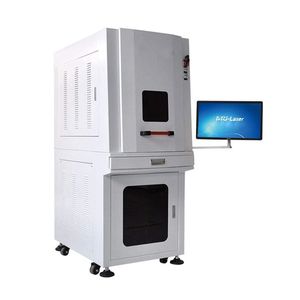
3W PVC Green Laser Marking Machine for Thin Ceramic Sheets
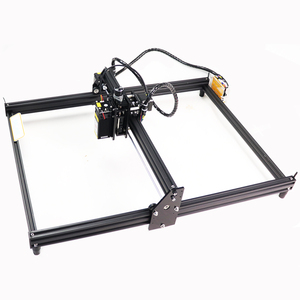
NEJE 3 Max V2 40W Diode Laser Engraver Desktop CNC Machine Control App High-Accuracy Acrylic Cutting AI/LAS Support Air-Cooled
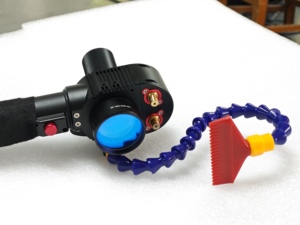
800g Lightweight 300W Handheld MOPA Pulse Laser Cleaning Gun DHCP30 Pro with Built-in Blowing Air and QCS Connector
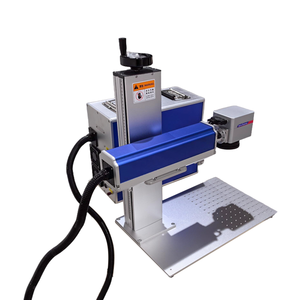
Industrial Fiber Laser Marking and Engraving Machine Split-type 0.001mm Ultra-High Precision Color Marking for All Metals
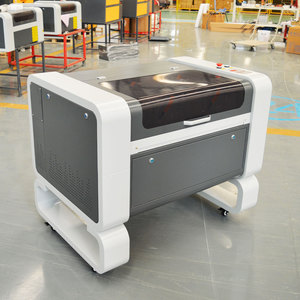
2025 New 4060 50w 60w 80w 100w Co2 Laser Engraving Machine for Wood Acrylic 6040 CO2 Laser Cutting Machine 100w
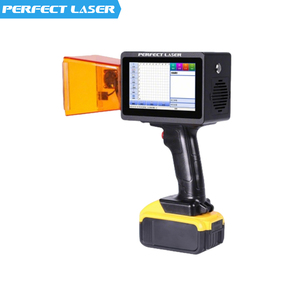
Perfect Laaser Handheld Portable Metal Acrylic Gold Sliver Rubber Wood Marker Mini Fiber Laser Marking Machine with LCD Screen
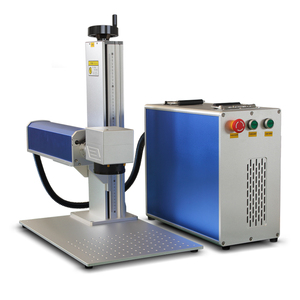
JNFSLASER Portable 60W/100W Raycus MAX M7 Source Mopa CNC Air-Cooled Metal Fiber Laser Marking Machine D80 Rotary 300x300mm
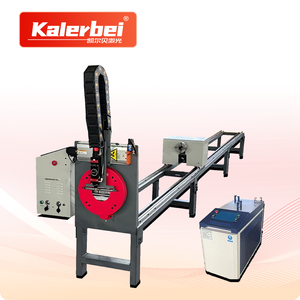
Mini CNC Automatic Fiber Laser Tube Cutter - Ideal for Small-Diameter Metal Pipe Processing
Technical Whitepaper: Color Laser Engraving Architecture for Belgian Industry 4.0
In modern European manufacturing, particularly within Belgium's advanced industrial ecosystem spanning Flanders, Wallonia, and the Brussels-Capital Region, permanent part identification has evolved beyond simple monochrome alphanumeric codes. Modern quality management frameworks—including ISO 9001, EN ISO 13485 (Medical Devices), and aerospace DEF STAN compliance—demand high-contrast, durable, and corrosion-resistant identification. MOPA (Master Oscillator Power Amplifier) fiber color laser engraving represents the apex of non-contact thermal surface modification on conductive alloys.
Information Gain Insight: Unlike standard Q-switched fiber lasers with fixed pulse durations (typically 100ns–120ns), variable MOPA laser architectures allow independent control of pulse frequency (1kHz to 4000kHz) and pulse duration (2ns to 500ns). This flexibility enables exact control over heat input, forming uniform oxide layer thicknesses that create controlled structural color reflection on stainless steel and titanium without compromising corrosion resistance.
The Physics of Structural Color Marking on Stainless Steel (RVS)
The creation of vibrant colors on stainless steel (Grade 304, 316L, and 316Ti, commonly used in Belgian food processing and chemical manufacturing) relies on Thin-Film Optical Interference rather than chemical dyes. When the laser beam scans the metallic surface under controlled pulse parameters, localized heating induces controlled thermal oxidation:
Controlled Sub-Nanosecond Heating
Short pulse widths (2ns to 20ns) minimize heat transfer into surrounding material. This prevents structural distortion, micro-cracking, or thermal stress in thin sheet metals and medical-grade instruments.
Controlled Chromium Oxide Thickness
By adjusting laser fluence and hatch spacing (down to 0.001mm precision), the system builds a transparent chromium oxide (Cr2O3) layer ranging from 30nm to 300nm thick on the steel surface.
Constructive Optical Interference
White light reflects off both the outer oxide layer and the underlying metal interface. Phase shifts between the two reflected light waves create brilliant chromatic shades across the visible spectrum (blue, gold, purple, green, red).
For Belgian procurement teams, choosing an industrial MOPA fiber engraver ensures long-term marking consistency without altering the hygienic surface smoothness required by Belgian food safety authorities (FAVV/AFSCA).
Localized Industrial Applications Across Belgian Regions
Belgium’s economic engine relies on specialized regional manufacturing clusters. Our range of MOPA fiber, UV cold laser, and CO2 marking systems directly addresses the technical demands of these local industries.
Flanders Food Processing & Brewery Equipment
In cities like Ghent, Bruges, and Antwerp, stainless steel processing tanks, valves, and bottling machinery require non-corrosive, passivation-safe marking. Our MOPA fiber lasers generate high-contrast black annealing and color logos without breaking the protective passive layer.
Antwerp Maritime Logistics & Diamond Sector
As Europe's second-largest port and global diamond trade hub, Antwerp demands anti-counterfeiting and micro-engraving capabilities. Our 3D UV cold lasers produce ultra-fine micro-text down to 0.001mm on gemstones, glass vessels, and heavy shipping components.
Wallonia Aerospace & Defense Cluster
Centred around Liège and Charleroi, aerospace component suppliers require clear DataMatrix 2D codes capable of surviving thermal cycling and mechanical wear. Handheld and split-type MOPA fiber systems enable direct part marking (DPM) on heavy engine mounts and titanium housings.
Technology Comparison: Selecting the Right Laser Wavelength
Avoid costly procurement missteps by reviewing the operational capabilities of different laser sources. Our technical support team works with Belgian manufacturers to perform pre-purchase sample testing on your exact substrates.
| Laser Source Type | Wavelength | Color Marking Capability | Optimal Substrates | Heat-Affected Zone (HAZ) |
|---|---|---|---|---|
| MOPA Fiber Laser | 1064 nm | Full Spectrum Color & Black | Stainless Steel, Titanium, Chrome, Anodized Al | Minimal (Tunable Pulse) |
| Q-Switched Fiber Laser | 1064 nm | Monochrome / Limited Grey | Standard Metals, Hard Plastics | Moderate Thermal Impact |
| UV Cold Laser | 355 nm | Photochemical Color Contrast | Glass, Ceramics, HDPE, Medical Plastics | Near-Zero (Cold Process) |
| CO2 Galvo Laser | 10.6 µm | N/A (Engraving / Surface Cut) | Wood, Acrylic, Leather, Textiles, Packaging | Controlled Thermal Ablation |
Frequently Asked Questions for Belgian Procurement Teams
Answers to key operational, compliance, and technical questions asked by Belgian industrial buyers.
Are your laser machines compliant with EU Safety & CE Directives?
Yes. All laser engraving, marking, and cutting systems supplied to Belgium carry full CE certification and comply with the EU Machinery Directive 2006/42/EC, Low Voltage Directive 2014/35/EU, and EN 60825-1 Laser Safety Standards. Enclosed Class 1 laser workstations feature safety interlocks and certified laser safety glass viewing windows to protect machine operators in production environments.
Can MOPA color marking withstand aggressive cleaning chemicals used in Belgium?
Yes. Because MOPA color laser marking forms an integrated oxide layer through thermal surface modification rather than applying superficial coatings, the marks are permanent. They resist chemical clean-in-place (CIP) cycles, high-pressure steam cleaning, and solvent exposure common in food processing, pharmaceutical, and chemical manufacturing environments across Belgium.
What electrical input and software compatibility are supported?
Our machines are built to standard European power specifications (230V 50Hz single-phase or 400V three-phase for heavy CNC systems). Software interfaces support multi-language options including Dutch, French, German, and English. The systems integrate seamlessly with LightBurn, EZCAD3, AutoCAD, SolidWorks, and automated PLC industrial protocols (Profinet/EtherCAT).
What is the typical delivery timeframe and warranty coverage for Belgium?
Standard machines are dispatched via tracked EU logistics routes directly to your factory in Antwerp, Ghent, Liège, Brussels, or surrounding regions within 5 to 10 working days. Every industrial unit includes up to 3 to 5 years warranty coverage supported by our European distributor technical network and remote diagnostic engineering support.
Accelerate Your Manufacturing Precision Today
Speak with our laser application specialists to arrange a free material sample test or receive a tailored quote for your Belgian operation.