
Industrial Laser Marking, Cutting & Cleaning Equipment
Direct OEM manufacturing platforms engineered for high-contrast anodised aluminium etching, traceability compliance, and continuous factory automation.
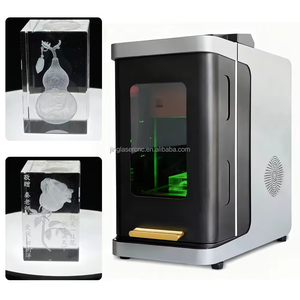
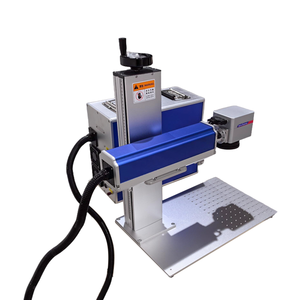
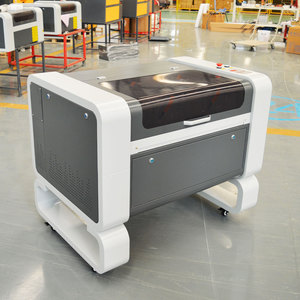
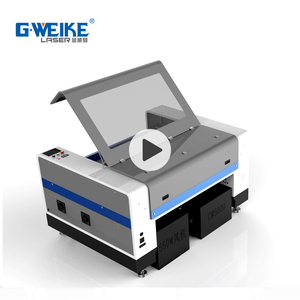
1. Technical Deep-Dive: The Photothermal Physics of Anodised Aluminium Laser Etching
Anodised aluminium has emerged as a cornerstone material across modern electronic enclosures, automotive trim, aerospace structural components, and architectural hardware. Achieving flawless, durable, and aesthetic etching on anodised layers requires a deep understanding of optical physics, material chemistry, and laser-matter interaction. As an OEM machine manufacturer supplying industrial hubs worldwide—including the rapidly expanding manufacturing corridors of Jakarta, Indonesia—our laser platforms are purpose-built to deliver non-destructive, high-contrast, and high-speed marking across all grades of anodised aluminium.
The anodisation process forms a protective layer of aluminium oxide (Al₂O₃) on the metal surface through electrolytic passivation. This oxide layer can range in thickness from 5 micrometres for decorative applications to over 50 micrometres for Type III Hardcoat anodising. Depending on whether the layer is natural, clear-anodised, or dyed (black, blue, red, gold), standard Q-switched lasers often fail to achieve consistent results, frequently causing micro-cracking, material scorching, or chemical destabilisation of the protective substrate.
MOPA Fiber vs. Traditional Q-Switched Laser Etching Architecture
Traditional Q-switched fiber lasers possess a fixed pulse duration (typically 100ns to 120ns). When applied to anodised aluminium, the high thermal energy input melts the anodic shell, leading to rough edges, localized corrosion vulnerability, and uneven contrast. In contrast, Master Oscillator Power Amplifier (MOPA) fiber laser technology allows independent adjustments of pulse width (ranging from 1ns to 500ns) and pulse frequency (1kHz to 4000kHz).
- Ultra-Short Pulse Duration (2ns - 10ns): Ideal for bright white marking on black-anodised surfaces. The minimal heat-affected zone (HAZ) vaporizes organic dye molecules trapped within the pores while keeping the alumina matrix entirely intact.
- Medium Pulse Duration (30ns - 60ns): Used for deep engraving into the raw aluminium base beneath the oxide coat when dynamic barcode or QR code depth is required for heavy industrial traceability.
- Variable High Frequency (Up to 4000kHz): Enables seamless raster engraving at linear scanning speeds exceeding 8,000 mm/s, maximizing daily production yields in continuous manufacturing facilities.
Zero Substrate Damage
Preserves corrosion resistance and IP67 weatherproofing integrity on architectural and marine anodised components.
High-Density 2D Code Marking
Produces crisp DataMatrix and QR codes down to 0.5mm x 0.5mm size, readable by industrial automated vision scanners.
3D Dynamic Beam Delivery
Integrated 3-axis galvo positioning maintains dynamic focal length over stepped, curved, and complex 3D aluminium parts.
2. Custom OEM & ODM Machine Manufacturing Capabilities
As a global direct OEM machine factory, we specialize in providing fully customized laser marking platforms engineered around our clients' unique automation lines, floor plans, and production quotas. Rather than supplying generic off-the-shelf equipment, our engineering team collaborates directly with system integrators and procurement teams in Jakarta to build tailored industrial solutions.
| OEM Customization Dimension | Technical Specification Range | Industrial Application Impact |
|---|---|---|
| Laser Source Selection | MOPA Fiber (20W - 150W), UV Cold Laser (3W - 15W), CO2 (30W - 400W) | Optimized energy wavelength matching exact anodised layer thickness and color pigments. |
| Enclosure & Mechanical Layout | Class 1 Fully Enclosed Workstations, Split Desktop, Open-Frame Galvo, Inline Conveyor | Ensures operator safety while fitting seamlessly into compact workspace footprints. |
| Optical Focal Systems | F-Theta Lenses (70x70mm up to 600x600mm), 3D Dynamic Auto-Focusing Systems | High precision across broad surface areas and non-planar 3D architectural profiles. |
| Software & Protocol Integration | EzCad3, LightBurn OEM, SDK for C++/Python, Modbus, Profinet, Ethernet/IP | Direct connection with factory MES/ERP platforms for real-time dynamic batch code generation. |
Our OEM factory operations adhere to strict international engineering standards. Every machine framework is constructed using heavy-duty, stress-relieved structural steel and mil-spec extruded aluminium. Internal wiring is routed with high-flex industrial drag chains, and electrical cabinets feature isolated dual-channel safety relays compliant with CE safety standards.
3. Localized Application Scenarios Across Jakarta & Greater Jabodetabek
Jakarta, as the economic engine of Indonesia and the anchor of the Jabodetabek industrial region (comprising Jakarta, Bogor, Depok, Tangerang, and Bekasi), represents one of Southeast Asia's most dynamic manufacturing hubs. The concentration of automotive assembly plants, consumer electronics factories, architectural fabricators, and medical device assembly lines creates specialized demand for advanced laser processing equipment.
Scenario A: Automotive Component Marking in Cikarang & Karawang Estates
The industrial corridors of Cikarang (GIIC, Jababeka, EJIP) and Karawang (KIIC) house major international automotive OEMs and Tier-1 parts suppliers. Anodised aluminium components—such as engine dress-up covers, EV battery housing plates, transmission control casings, and dashboard bezels—require permanent VIN codes, part numbers, and tracking barcodes. Our MOPA fiber laser etching systems deliver permanent black and white markings that withstand aggressive under-hood chemical exposure, thermal shock, and high-pressure washing without degrading contrast or legibility.
Scenario B: Consumer Electronics & Telecom Hardware in Tangerang & Bekasi
Jakarta’s electronics manufacturing sector relies heavily on custom anodised aluminium enclosures for smartphones, laptops, audio amplifiers, and server chassis. Precision cold-laser marking and fine-line MOPA etching allow brand logos, compliance certification graphics (CE, SNI, FCC), and ultra-fine vector artwork to be permanently applied without thermal distortion of delicate internal mounting points or micro-machined threads.
Scenario C: Architectural Anodised Panels & Hardware in Metropolitan Jakarta
With massive infrastructure development and skyscraper construction ongoing across Greater Jakarta, local architectural fabricators produce extensive quantities of clear, bronze, and black anodised aluminium facades, curtain wall panels, and premium door hardware. Our large-format XY batch laser systems and 3D dynamic galvo markers allow seamless pattern etching, decorative architectural branding, and asset tracking serials across multi-meter panel assemblies.
4. Localized Development Trends Driving Laser Adoption in Jakarta
Navigating the industrial landscape of Indonesia requires alignment with national economic initiatives, regulatory frameworks, and environmental realities. Several key trends are accelerating the shift from conventional inkjet printing and mechanical stamping to advanced laser etching across Jakarta's industrial zones:
- Making Indonesia 4.0 Initiative: The Indonesian government's strategic roadmap places automotive, electronics, and chemicals at the forefront of digital transformation. Industrial laser markers featuring IoT connectivity and automated data registration are vital for factories converting to smart manufacturing standards.
- TKDN (Tingkat Komponen Dalam Negeri) & Supply Chain Traceability: Strict local content regulation (TKDN) requires manufacturers operating in Indonesia to demonstrate complete supply chain transparency. High-speed laser-etched 2D DataMatrix codes enable item-level tracking from raw billet to final vehicle assembly.
- Tropical Climate Thermal Adaptation: Jakarta experiences high ambient temperatures (30°C to 36°C) and extreme relative humidity (75% to 95%) year-round. Standard air-cooled lasers often suffer from laser diode degradation and optical fogging under these conditions. Our OEM machines designed for Jakarta feature industrial dual-stage refrigeration cooling, IP54 sealed optical paths, and anti-condensation internal thermal management to guarantee 24/7 continuous duty cycle performance.
5. Comprehensive Technology Selection Guide for Industrial Procurement
To assist procurement directors and chief engineers in specifying the correct laser machinery for anodised aluminium and complementary materials, our technical team has synthesized key operational parameters in the comparison matrix below:
| Laser Source Type | Wavelength | Anodised Aluminium Mark Style | Processing Speed | Best Suited Applications |
|---|---|---|---|---|
| MOPA Fiber (20W - 100W) | 1064 nm | Bright White / Fine Gray / Deep Engrave | Extreme (> 10,000 mm/s) | Anodised nameplates, automotive parts, consumer electronics, 2D barcode traceability. |
| UV Cold Laser (3W - 15W) | 355 nm | Photochemical Micro-Marking | Moderate (3,000 - 6,000 mm/s) | Ultra-thin anodised foils, medical grade components, sensitive electronic housings. |
| CO2 Galvo Laser (30W - 150W) | 10,600 nm | Surface Layer Stripping / Coating Removal | High (> 7,000 mm/s) | Painted/Coated aluminium sheet removal, composite panel prep, acrylic/wood cutting. |
6. Factory Enterprise Advantages & Global Quality Assurance
Partnering directly with our OEM manufacturing facility provides Jakarta enterprises with structural competitive advantages that third-party resellers and trading companies cannot replicate. Grounded in over three decades of optical engineering excellence, our operational model emphasizes technical rigour, field reliability, and long-term customer success.
ISO 9001 Quality Management
Every laser system undergoes a rigorous 72-hour continuous burn-in test, beam profile analysis, and optical alignment calibration prior to dispatch.
Bespoke Application Testing
Send your physical anodised aluminium components to our lab for free sample testing. We return full optical diagnostic reports and video footage.
Comprehensive Lifetime Support
Supported across 46 countries with authorized technician support networks, remote online diagnostic access, and complete spare parts stock.
7. Frequently Asked Questions for Buyers in Jakarta & Indonesia
What laser configuration is best for black-anodised vs. clear-anodised aluminium?
For black or dyed anodised aluminium, a MOPA fiber laser (20W to 50W) operating at short pulse widths (4ns - 20ns) is optimal for producing bright, high-contrast white marks without breaking the surface seal. For clear (natural) anodised aluminium, where dye color change is not an option, a MOPA laser set to longer pulse widths or a higher wattage fiber laser is used to etch into the base aluminium matrix or create a subtle frosted dark finish.
Does your equipment support Indonesia local power grids (220V 50Hz)?
Yes. All OEM machines exported to Jakarta and wider Indonesia are customized with dual-channel single-phase 220V ±10% 50Hz or three-phase 380V 50Hz electrical configurations. Industrial power supplies include integrated surge suppression and voltage stabilization filters designed for regional power fluctuations.
How does high humidity in Jakarta affect laser optical lenses, and how is it mitigated?
High humidity can lead to moisture condensation on optical lenses, causing thermal lens cracking or laser beam attenuation. Our specialized machinery features fully sealed IP54 galvo optical heads, internal desiccant purge ports, and positive-pressure air curtains over the F-Theta lens to prevent dust and humidity ingress during continuous factory operation.
What is the lead time and delivery process for factory orders shipped to Jakarta ports?
Standard machine builds require 10 to 15 business days for assembly and quality inspection. Shipping to Jakarta's main sea hub, Tanjung Priok Port, or air freight directly to Soekarno-Hatta International Airport typically takes 7 to 20 days depending on freight mode. We provide full export documentation, HS code certification, and CE/ISO declarations for smooth customs clearance.
Can we test our specific materials before placing an OEM manufacturing order?
Absolutely. We strongly encourage prospective clients in Jakarta to send material samples to our testing application center. We will perform parameter matrices (testing pulse width, power, frequency, and speed combinations) to deliver perfect contrast results, returning sample parts alongside video proof and parameter recipe files.
Accelerate Your Production Line Performance
Connect directly with our engineering team to design, customize, and deploy industrial-grade anodised aluminium laser etching systems tailored for your Jakarta facility.
Inquire Now