
Featured Laser Coding & Processing Machinery
High-performance laser platforms engineered for permanent date coding, package serialization, substrate cutting, and heavy-duty industrial processing.
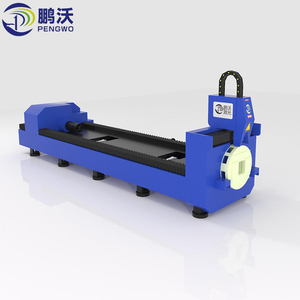
3000W Automatic Feeding CNC Industrial Laser Pipe Cutting Machine Metal Tube Fiber Laser Cutter AI Graphic Direct Manufacturer
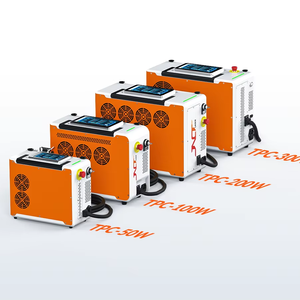
Laser Cleaning Solution For Heavy-Duty Applications 300W Pulsed Power, Zero Consumables
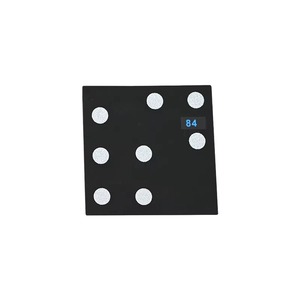
Custom 8-Point Magnetic Coded Reflective Positioning Markers For Handheld Laser 3D Scanning Industrial Measurement
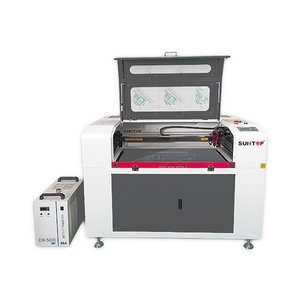
Easy-to-operate Acrylic Laser Engraving Machine, 60/80/100/130/150/180/200W, 6040/9060/1390, CO2 Laser Engraver and Cutter
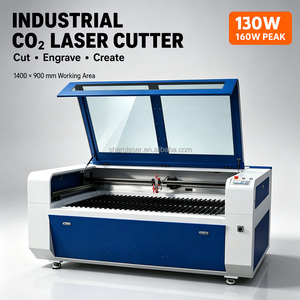
CO2 Laser Cutting & Engraving Machine 1490 with Ruida Control System Water Cooling for Acrylic Wood Paper MDF AI/PLT Support
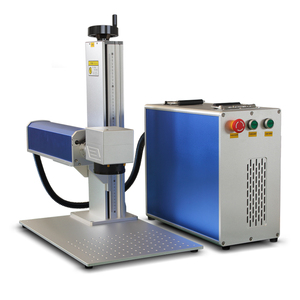
JNFSLASER Portable 60W/100W Raycus MAX M7 Source Mopa CNC Air-Cooled Metal Fiber Laser Marking Machine D80 Rotary 300x300mm
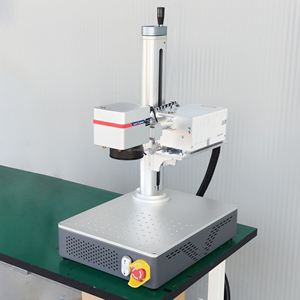
Portable Glass UV Laser Marker 5W Or Leaves Engraving Glass/stone/metal/wood
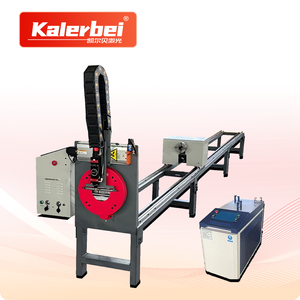
Mini CNC Automatic Fiber Laser Tube Cutter - Ideal for Small-Diameter Metal Pipe Processing
The Paradigm Shift in Sydney’s FMCG Date Coding Ecosystem
Navigating regulatory compliance, line velocity demands, and sustainable packaging transitions in New South Wales packaging operations.
In the high-throughput manufacturing corridors of Greater Sydney—from the dense logistics and bottling networks in Western Sydney (Wetherill Park, Smithfield, and Arndell Park) to specialized pharmaceutical hubs in North Ryde—Fast-Moving Consumer Goods (FMCG) packaging lines face unprecedented operational scrutiny. The historic reliance on traditional Continuous Inkjet (CIJ) printers and thermal transfer overprinters (TTO) is declining rapidly across New South Wales. Plant managers are replacing ink-based systems due to recurring consumable expenses, hazardous solvent emissions (MEK/acetone), messy line downtime, and ink smearing on non-porous surfaces.
As Australia advances toward the APCO 2025 Sustainable Packaging Targets—which mandate 100% reusable, recyclable, or compostable packaging—packaging converters across Sydney are moving toward mono-material plastics (such as rPET, HDPE, and thin BOPP films) and ultra-lightweight glass. Traditional solvent inks struggle to adhere to hydrophobic barrier coatings and bio-polymers without rubbing off during cold-chain transport. Industrial CO2, UV cold-laser, and MOPA Fiber laser coding technologies provide permanent, tamper-evident date codes, lot numbers, and real-time serialization directly onto moving packaging materials.
Wavelength Mechanics for FMCG Packaging Substrates
Selecting the optimal photonic wavelength to guarantee crisp text legibility without compromising package integrity.
Achieving structural code perfection on fast-moving FMCG packaging lines requires precise wavelength matching. Laser date coding is not a one-size-fits-all process. The molecular structure of the packaging substrate determines whether thermal photo-ablation, surface foaming, or photochemical cold modification will yield the highest contrast result.
CO2 Laser Coders (9.3µm, 10.2µm, 10.6µm)
Designed for organic substrates and plastic resins. The 9.3µm waveband is tuned for PET beverage bottles (preventing micro-pinholes), while 10.2µm excels on film foils and 10.6µm provides high-speed coding on paperboard cartons, corrugated trays, and coated labels.
UV Cold Laser Coders (355nm)
Utilizes ultra-short UV wavelengths to induce photochemical reactions without heat generation. Ideal for heat-sensitive thin flexible films, white/colored HDPE milk bottles, pharmaceutical ampoules, and premium cosmetics where thermal stress could rupture barrier layers.
MOPA Fiber Lasers (1064nm)
Offers adjustable pulse duration (2ns to 500ns) for precision metal and engineered plastic marking. Excellent for high-speed aluminum beverage cans, metal jar lids, foil seal pouches, and high-density industrial container coding in food processing lines.
| Packaging Substrate | Target FMCG Products | Recommended Wavelength | Interaction Mechanism | Line Speed Capability |
|---|---|---|---|---|
| PET / rPET Bottles | Soft drinks, spring water, edible oils | 9.3 µm CO2 Laser | Controlled surface melt (no structural micro-stress) | Up to 70,000 bph |
| HDPE / LDPE Containers | Fresh milk containers, household detergents | 355 nm UV Cold Laser | Photochemical photo-reduction (high-contrast dark mark) | Up to 45,000 units/hr |
| Aluminium Cans & Lids | Beer, energy drinks, canned ready-to-eat meals | 1064 nm MOPA Fiber | Surface thermal ablation of lacquer / anodized coat | Up to 100,000 cans/hr |
| Coated Paperboard Cartons | Frozen food, cereals, pharmaceuticals | 10.6 µm CO2 Laser | Ablation of printed ink layer revealing sub-layer | Up to 900 m/min continuous |
| Flexible Film Pouches (BOPP/Laminates) | Snack foods, confectionary, coffee beans | 10.2 µm CO2 / 355nm UV | Surface color shift without piercing inner gas barrier | Up to 600 packs/min |
Deployment Scenarios Across Greater Sydney Manufacturing Hubs
Engineering customized high-speed laser marking solutions to suit local environmental and operational requirements in NSW factories.
Western Sydney Beverage Lines
High-capacity bottling facilities in Blacktown and Wetherill Park require continuous 24/7 date and time stamping on wet PET bottles. Our IP65 stainless steel laser coders integrate seamlessly with high-speed blow-molding and filling lines, maintaining optical accuracy despite washdown moisture and high humidity.
Botany Bay Meat & Dairy Packaging
Chilled packaging environments require strict cold-chain integrity. Laser coders mark indelible, smudge-proof expiration dates directly onto vacuum-sealed plastic films and thermoformed trays. Eliminates line downtime caused by ink ribbon snapping or solvent freezing in sub-zero packing rooms.
North Ryde Pharma & Healthcare
Pharmaceutical packaging facilities under Australian Therapeutic Goods Administration (TGA) supervision demand 100% verifiable GS1 DataMatrix codes. Our UV laser coders deliver ultra-fine vector micro-printing onto blister foils and glass vials without altering chemical stability.
Craft Brewery & Artisan Foods
Boutique beverage producers in Marrickville and the Inner West require flexible, short-run laser coding options for micro-batches. Portable and compact CO2 coders enable quick font adjustments, sequential batching, and custom vector logo branding across glass bottles and growlers.
Key Industry Trends Driving Laser Coder Adoption in NSW
Strategic factors reshaping investment decisions for plant managers and packaging engineers across Australia.
1. Total Removal of Solvent Emissions (VOCs)
Australian workplace health and safety (WHS) directives are pushing factories to minimize Volatile Organic Compounds (VOCs) on the shop floor. Laser date coders operate completely chemical-free, eliminating hazardous chemical storage, specialized disposal fees, and operator inhalation risks.
2. Real-Time Vision System Verification
Sydney packaging lines are rapidly adopting Smart Factory 4.0 standards. Modern laser coders feature automated optical alignment and integrated vision sensors that verify 2D DataMatrix code legibility in real-time, instantly flagging degraded substrates to prevent costly recall events under FSANZ standards.
3. Anti-Counterfeiting for Export Markets
Australian agricultural and packaged food exporters sending goods into Asian markets require secure, anti-tamper packaging. Laser systems etch permanent, indelible micro-serialization, lot data, and randomized QR codes that cannot be wiped off with solvents or covered up by unauthorized resellers.
Why Leading Sydney Packaging Plants Partner With Our Factory
Direct manufacturer expertise, engineered quality assurance, and localized support structure.
ISO 9001 Accredited Manufacturing
Our global production plants operate under strict ISO 9001 certified Quality Management Systems. Every laser coder undergoes rigorous multi-point stress testing, vibration analysis, and beam profiling prior to factory departure.
3D Dynamic Focal Tracking as Standard
Equipped with advanced 3-axis galvo scanning heads, our coders adjust focus dynamically in real-time. Mark dates effortlessly across curved bottle shoulders, recessed pouch grooves, or uneven cardboard box flaps without mechanical readjustment.
Continuous 24/7 Duty Industrial Design
Engineered for harsh operating environments, featuring IP65 stainless steel housings, air-cooled or closed-loop chiller options, and extended-life laser sources (up to 100,000 operating hours) to ensure non-stop manufacturing productivity.
Dedicated Sydney Field Service & Spares
We provide localized engineering support, sample testing in NSW, optical spare parts inventory, and emergency technical field assistance to minimize downtime for Sydney plant operations.
Frequently Asked Questions by Sydney Packaging Procurement Teams
Expert answers addressing integration, compliance, total cost of ownership, and operational safety.
How does a laser date coder synchronize with existing high-speed conveyors in Sydney plants?
What is the return on investment (ROI) timeline when replacing CIJ printers with laser coders?
Will a CO2 or UV laser puncture or weaken thin plastic packaging films or PET bottles?
Do these laser coders comply with Australian electrical and laser safety standards (AS/NZS IEC 60825.1)?
Can we test our specific packaging materials before ordering hardware?
How are variable data, lot numbers, and expiration dates updated dynamically on the line?
Upgrade Your Sydney Packaging Line to High-Speed Laser Coding
Contact our laser application specialists today to request a free material sample evaluation, technical line audit, or live system demonstration.