
Industrial Laser Machinery & Precision Systems
High-performance CNC laser cutters, MOPA fiber markers, and 3D positioning scanners engineered to ISO 9001 and CE quality standards for immediate export to Greater Toronto Area (GTA) production facilities.
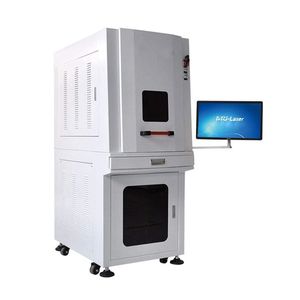
3W PVC Green Laser Marking Machine for Thin Ceramic Sheets
Get Catalog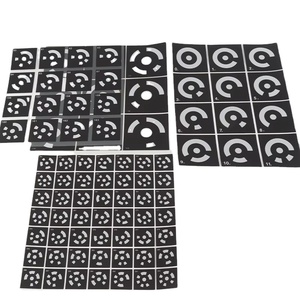
High Precision High Reflective Coded Positioning Target Markers For Laser 3D Scanning
Get Catalog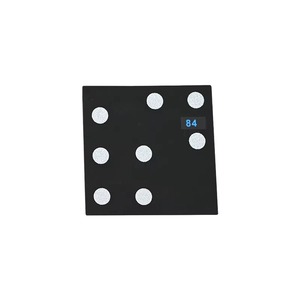
Custom 8-Point Magnetic Coded Reflective Positioning Markers For Handheld Scanners
Get Catalog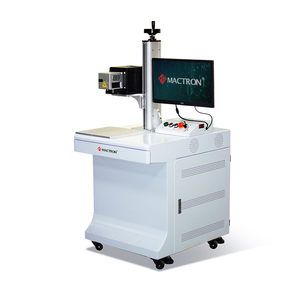
Green Laser Marking Machine 3D Crystal Internal Laser Engraving Machine
Get Catalog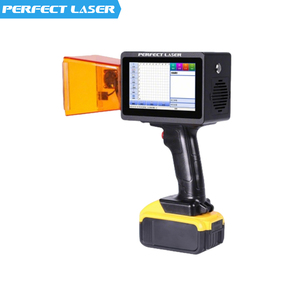
Handheld Portable Metal Fiber Laser Marking Machine with LCD Control Screen
Get Catalog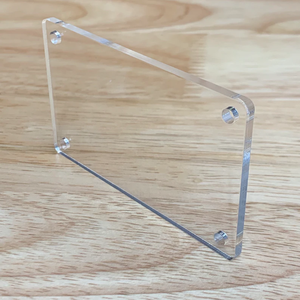
Custom Laser Cut Acrylic Shapes Display Service with High-Speed Engraving
Get Catalog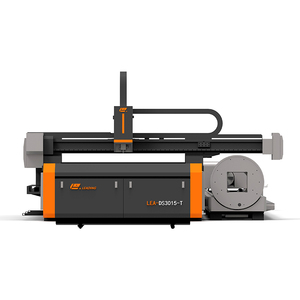
Quality 3000W CNC Tube Fiber Laser Cutting Machine with Raytools Laser Head
Get Catalog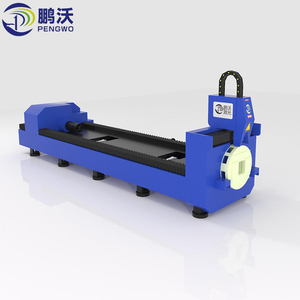
3000W Automatic Feeding CNC Industrial Laser Pipe & Hide Processing Station
Get CatalogEngineering Whitepaper: Precision Laser Cutting Technologies for Leather Substrates
An authoritative technical analysis on photonics interaction, thermal degradation management, and automated pattern nesting for industrial leather converters serving Toronto and Southern Ontario.
The manufacturing ecosystem of Southern Ontario, anchored by the Greater Toronto Area (GTA), represents a critical hub for high-precision leather processing across aerospace interiors, luxury automotive trimming, bespoke fashion, and premium contract furniture. Traditional mechanical die-cutting and manual knife shearing methods face mounting economic pressures due to rising labor overheads, leather hide material waste (which often reaches 25% in non-automated facilities), and the physical constraints of cutting micro-perforated or complex filigree designs. As direct manufacturers and global exporters of CO2, MOPA fiber, and UV laser cutting and marking platforms, our engineering frameworks deliver an unmatched competitive edge through high Information Gain and quantifiable operational efficiency.
Photonic Interaction and Wavelength Selection for Natural and Synthetic Leather
Laser processing of leather substrates—ranging from full-grain bovine chrome-tanned hides and veg-tanned leathers to synthetic polyurethane (PU), polyvinyl chloride (PVC), and recycled bio-based mycelium leathers—requires precise laser beam wavelength tuning. Natural organic hides consist primarily of densely packed collagen fiber bundles. The structural polymers of collagen exhibit peak absorption at the 10.6 µm wavelength emitted by Sealed RF CO2 Laser Tubes.
When the 10.6 µm laser beam focuses onto the leather surface, the optical energy is absorbed within a ultra-thin surface layer (less than 0.05 mm deep), inducing instant sublimation (solid-to-gas transition) of the organic matrix. This localized vaporizing process yields distinct advantages over mechanical blade cutting:
- Thermal Edge Sealing: The laser’s micro-thermal field instantly cauterizes raw fiber edges on synthetic and chrome-tanned leathers, preventing fraying, fiber unraveling, and edge delamination without stiffening the perimeter.
- Zero Mechanical Deformation: Because laser processing is contactless, delicate or supple leathers (such as lambskin, suede, and ultra-soft calfskin) suffer no displacement, stretching, or clamping distortion during multi-directional high-speed cutting paths.
- Sub-Millimeter Micro-Perforation: CO2 Galvo systems achieve dot pitches down to 0.15 mm diameter at speeds exceeding 1,200 holes per second, essential for functional acoustic upholstery panels and breathable automotive seating.
Overcoming Charring and Odor through Dual-Stage Air Assist & Vacuum Matrix Capture
A primary challenge historically associated with CO2 laser leather cutting has been perimeter carbonization (edge charring) and residual smoke discoloration on light-colored hides. Our proprietary laser architectures address this thermal artifact through an integrated fluid-dynamic mitigation system:
Coaxial High-Pressure Air Assist
Delivers dry nitrogen or compressed air at 0.4–0.6 MPa directly through a narrow 1.2 mm nozzle orifice, driving organic vapor out of the kerf instant before oxidation can burn the cut wall.
Zoned Down-Draft Honeycomb Vacuum
Segmented vacuum tables hold irregular hides flat while pulling smoke downward instantly, preventing smoke yellowing on white, beige, or untreated veg-tanned grain surfaces.
Multi-Stage VOC & Scrubbing Filtration
Heavy-duty active carbon and HEPA extraction systems filter airborne organic compounds (VOCs) and particulates to ensure compliance with Ontario EPA and Toronto Municipal Bylaw air purity rules.
Technical Comparison Matrix: Leather Cutting Paradigms
Evaluating throughput, operational overhead, and material waste across traditional die cutting, CNC drag-knife, and Industrial CO2 Laser Cutting Systems.
| Performance Metrics | Traditional Clicker Die Press | CNC Oscillating Drag Knife | Lotus Laser CO2 Systems |
|---|---|---|---|
| Setup Time per Pattern Change | 2–4 Hours (Tooling Manufacture Required) | 10–15 Minutes (Digital File Import) | < 30 Seconds (Instant CAD/CAM Direct Load) |
| Raw Hide Material Utilization Yield | 68% – 74% (High Margin Gap Needed) | 78% – 82% (Manual Nesting Constraints) | 88% – 94% (AI Camera Optical Nesting) |
| Cutting Speed (Complex Shapes) | Fixed Stamping Rate (Manual Shift) | 150 – 350 mm/sec max | 800 – 2,000 mm/sec (Flatbed / Galvo) |
| Edge Finish Quality | Clean, but compresses soft hides | Clean, slight drag fraying on synthetics | Cauterized, Sealed, Non-Fraying Finish |
| Tooling Wear & Consumables Cost | High (Physical die dulling & re-tooling) | Medium (Frequent blade replacement) | Ultra-Low (Zero physical contact / Non-wearing laser) |
| Complex Micro-Perforation Capability | Extremely Expensive / Die Damage Risk | Not Feasible (Blade turn limits) | Unlimited (Up to 1,200 holes/sec via Galvo) |
Localized Application Scenarios in the Toronto & GTA Industrial Ecosystem
How advanced laser cutting and engraving solutions power key manufacturing districts across Toronto, Mississauga, Vaughan, Etobicoke, and the Oshawa auto corridor.
1. Toronto Fashion District & Atelier Customization (Spadina Ave / Queen West Corridor)
Toronto’s historic Fashion District has transformed into an agile center for bespoke luxury apparel, custom handbag design, and limited-run leather accessories. Local designers require immediate turnaround on intricate filigree cuts, laser-etched brand motifs, and micro-perforated panels. Our compact closed-cabinet CO2 cutters and vision-assisted galvo markers allow Toronto studios to prototype in the morning and execute zero-inventory finished runs by afternoon.
2. Automotive Interior Trimming (Oshawa – Mississauga Industrial Corridor)
Southern Ontario represents Canada's automotive manufacturing heartland. OEM tier-1 and tier-2 suppliers in Mississauga, Oakville, and Oshawa produce luxury perforated leather seat covers, steering wheel wraps, gear shift boots, and leatherette door trims. Our dual-head laser cutting platforms integrate seamless camera-based registration to align perforation patterns perfectly with pre-embossed stitching lines, meeting rigorous ISO/IATF 16949 automotive standards.
3. Architectural Upholstery & Furniture Design (Etobicoke & Vaughan Manufacturing Hubs)
For high-end residential and commercial furniture makers operating in Etobicoke and North York, cutting full-size bovine hides for sofas, executive office seating, and leather wall cladding requires large-format conveyor systems. Our wide-format CO2 laser cutters feature continuous feeding tables spanning up to 3.2 meters in width, allowing entire hides to be scanned, nested around natural scars, and cut in a single continuous automated cycle.
4. Custom Footwear & Safety Boot Manufacturing (Scarborough & Brampton)
Industrial boot makers in Brampton and custom shoe artisans in Scarborough leverage laser cutting for precision vamp, quarter, and tongue pattern creation. The laser system engraves alignment notches, size markers, and stitch placement dots directly onto the leather underside during the cutting stroke, eliminating manual marking steps and accelerating shoe assembly line velocity.
Ontario Market Trends & Economic Drivers Shaping Leather Automation
Strategic analysis of regulatory, sustainability, and supply chain shifts influencing capital equipment procurement across Greater Toronto.
The Shift to Localized Micro-Factories and Zero-Inventory On-Demand Production
Global supply chain disruptions over recent years have forced Toronto leather goods brands to re-shore production. Overseas mass production in high minimum-order-quantities (MOQs) is being rapidly superseded by localized "Micro-Factories" in Ontario. By deploying digital CO2 laser cutting machinery, Toronto manufacturers eliminate physical die storage costs and shorten design-to-retail lead times from 12 weeks to 48 hours. Pattern files are edited digitally in CAD environments and dispatched directly to the laser cutter, permitting profitable small-batch and custom print-to-order manufacturing.
Processing Sustainable Bio-Based Leather Alternatives
Ontario fashion brands and automotive interior designers are leading North America in adopting eco-conscious synthetic and bio-leather substrates, including Mycelium (mushroom root hide), ApplePeel, pineapple-leaf Piñatex, and recycled microfiber matrixes. These engineered materials demand uniform laser thermal delivery to avoid melting binder resins. Our advanced pulse-width modulated (PWM) laser sources allow ultra-fine duty cycle tuning, enabling crisp cut boundaries on heat-sensitive bio-leathers without edge bead formation or discoloration.
Compliance with Canadian Standards Association (CSA) & Health Canada WorkSafe Norms
Industrial machinery deployed within Ontario must comply strictly with Canadian electrical standards (CSA C22.2 / SPE-1000 field approvals) and Ministry of Labour safety guidelines. As experienced exporters serving the Toronto market, our machines are built with CE compliance and fully certified electrical cabinets, dual-channel interlocks, Class 1 laser safety enclosures, and flame-retardant internal components to ensure immediate, hassle-free municipal building and safety sign-offs.
Leveraging CUSMA / USMCA Free Trade Channels from Toronto
Under the Canada-United States-Mexico Agreement (CUSMA), Toronto-based leather exporters benefit from tariff-free entry into lucrative US markets when manufacturing rules of origin are met. By integrating high-precision laser cutting equipment that records digital material usage and serializes each finished component via MOPA laser barcode marking, Toronto enterprises maintain full supply chain auditability required for cross-border customs verification.
Why Toronto Manufacturers Partner With Our Engineering Brand
Built upon 30+ years of British-engineered laser innovation, ISO 9001 quality management systems, and dedicated global export support.
ISO 9001 & CE Accredited Quality
Every laser cutting chassis is constructed with military-grade aluminum profiles and stress-relieved steel frames, engineered to withstand continuous 24/7 industrial production environments with an operational lifespan exceeding 15 years.
3D Dynamic Focal Scan Heads
Our 3-axis optical beam delivery platforms maintain razor-sharp focal consistency over uneven leather hides and contoured 3D automotive trim parts, eliminating manual focal adjustments during execution cycles.
Direct Export & Toronto Field Support
We supply Toronto buyers with complete export documentation, door-to-door GTA customs handling, specialized crate packing, and rapid air-freight spare parts distribution directly to Pearson Logistics Hub.
Frequently Asked Questions by Toronto Procurement Managers
Direct answers regarding electrical standards, local shipping, material testing, and operational parameters for Canadian buyers.
Yes. All machines exported to Canada are customized to operate natively on 220V / 60Hz single-phase or 208V / 480V 3-phase industrial power supplies. Internal transformers, breakers, and wiring comply with Canadian electrical safety expectations.
We employ a high-pressure dry Nitrogen air-assist system coupled with a high-cfm lower vacuum exhaust bed. The nitrogen displaces oxygen at the cutting point, preventing combustion yellowing, while the vacuum instantly captures smoke before it can settle on the leather surface.
Standard machinery builds require 2 to 3 weeks, followed by ocean freight (approx. 18-22 days to Port of Montreal/Toronto container terminal) or expedited air freight (4-6 days to Toronto Pearson YYZ cargo hub).
Absolutely. We encourage Toronto clients to ship material samples to our testing lab. We will perform full cutting/engraving trials, optimize power/speed parameters, measure edge quality, and return HD video reports alongside your processed samples.
Our industrial controllers interface seamlessly with industry-standard CAD/CAM software including AutoCAD, CorelDRAW, Adobe Illustrator, SolidWorks, and Optitex. They accept file formats such as DXF, PLT, AI, SVG, and NC G-code.
International buyers receive comprehensive 3 to 5 year factory warranties backed by immediate remote diagnostics, video technician support, and rapid spare-parts replacement dispatched directly to your Toronto address.
Transform Your Toronto Leather Production Line
Contact our engineering sales team today for custom machine configurations, formal export quotations, or to schedule a remote live demonstration with your material samples.