
Industrial Laser Systems & Equipment
High-speed laser markers, non-destructive surface cleaners, and high-precision scanning targets optimized for Serbia's industrial automotive, electronics, and packaging sectors.
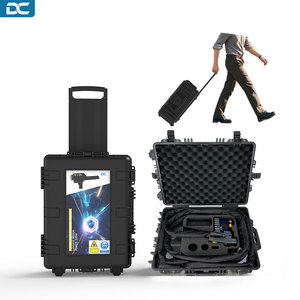
Dachuan Handheld 500W Portable Pulsed Fiber Laser Cleaner Wood Metal Stone Stainless Steel Aluminum Paper Laser Cleaning Machine
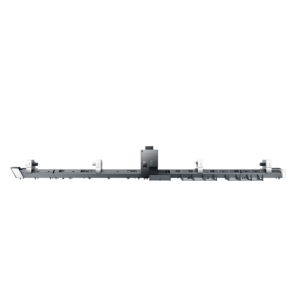
Bodor Flagship M Series Tube Laser Cutting Machine High Power Metal Tube Automatic Cutter for Sale
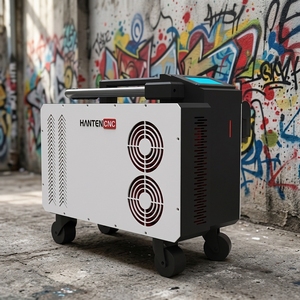
Laser Graffiti Removal Machine Portable Pulse Cleaning Equipment for Wall Stone Surface Restoration
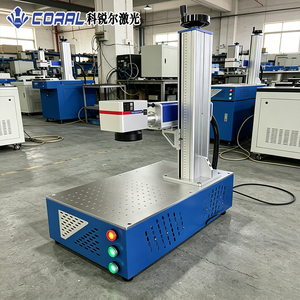
CORAL HG-ZM-A-D30 3D Mopa Desktop Laser Marker Easy To Operate For Mixed Aluminum And Stainless Steel Materials
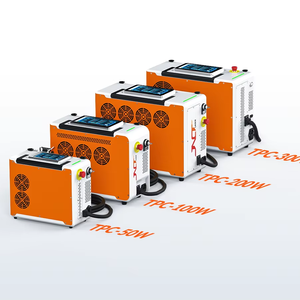
Laser Cleaning Solution For Heavy-Duty Applications 300W Pulsed Power, Zero Consumables
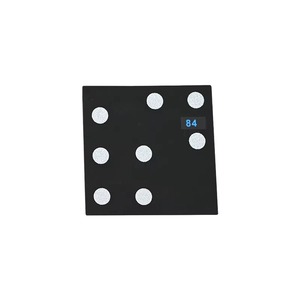
Custom 8-Point Magnetic Coded Reflective Positioning Markers For Handheld Laser 3D Scanning Industrial Measurement
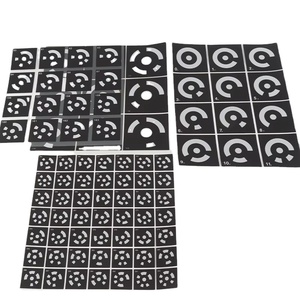
High Precision High Reflective Coded Positioning Target Markers For Laser 3D Scanning Industrial Measurement Reverse Engineering
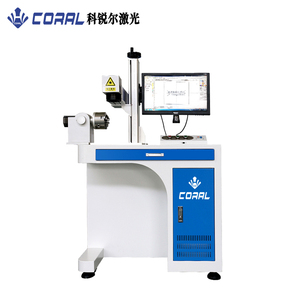
Low Price Wholesale CORAL HG-G-D20-Z125 High-Accuracy CNC Fiber Laser Engraving & Marking Machine Supports DXF/AI/DST Formats
The Photochemical & Photothermal Physics of Polymer Laser Marking
Industrial plastic laser marking represents a paradigm shift from traditional ink-jet (CIJ) printing and mechanical engraving. As Serbian manufacturing operations expand across automotive component production, medical packaging, consumer electronics, and municipal infrastructure, the demand for non-contact, permanent, high-contrast, and chemical-free marking solutions has intensified. Selecting the optimal laser system requires an intimate understanding of laser-polymer photon interactions, material chemical structures, and thermal dynamics.
When marking thermoplastic polymers—such as ABS, Polypropylene (PP), Polyethylene (PE), Polyamide (PA6/PA66), Polycarbonate (PC), and Thermoplastic Polyurethane (TPU)—the wavelength of the laser beam and pulse duration dictate whether the marking mechanism is photothermal (heat-driven carbonization/foaming) or photochemical (cold molecular bond breaking).
1. Photochemical Cold Ablation (UV Laser 355nm Wavelength)
Ultraviolet (UV) laser marking systems operate at a third-harmonic wavelength of 355nm. Unlike infrared lasers that generate substantial thermal energy, UV photon energy is so high that it directly breaks the molecular chains within the polymer matrix without generating significant heat. This phenomenon, known as "Cold Marking" or photolysis, produces high-contrast, sharp micro-markings without thermal degradation, surface foaming, or structural distortion. It is mandatory for heat-sensitive polymers, medical IV bags, flame-retardant electrical enclosures, and ultra-thin foil packaging utilized heavily across Serbian industrial zones.
2. Photothermal Carbonization & Foaming (MOPA Fiber 1064nm & CO2 10.6μm)
For engineering plastics containing specific color pigments or laser-absorbing additives (such as Titanium Dioxide, Carbon Black, or Mica), short-pulse MOPA (Master Oscillator Power Amplifier) fiber lasers offer unmatched flexibility. MOPA lasers allow independent tuning of pulse width (from 2ns to 500ns) and frequency (up to 4000kHz).
- Foaming: Controlled low-energy heat melts the plastic surface, trapping microscopic gas bubbles within the polymer top-coat, producing a raised, bright white mark on dark plastics.
- Carbonization: Higher pulse energy thermally pyrolyzes organic polymer molecules, producing a deep black, dark gray, or dark brown mark on light-colored substrates like ABS and PC.
- Color Changes via Laser Additives: In natural Polypropylene (PP) and High-Density Polyethylene (HDPE), MOPA lasers react with specialized laser additives to induce high-contrast color shifts without breaching surface hermetic seals.
3. CO2 Laser Vector Engraving & Thermal Surface Removal (10,600nm)
CO2 lasers deliver far-infrared radiation absorbable by nearly all raw organic polymers. Rather than altering surface color chemistries, CO2 galvo lasers vaporize polymer material to create etched grooves or remove surface paint/coatings (day/night laser etching). This technology is essential for acrylic keypads, silicone buttons, and multi-layer automotive interior switches.
Empowering Serbia's Industrial Manufacturing Hubs
Serbia has emerged as a premier European manufacturing center, attracting major international foreign direct investments (FDI) alongside a robust native OEM ecosystem. Our plastic laser marking machines are tailormade for regional compliance and high-throughput industrial integration across Serbia's primary industrial corridors.
Kragujevac & Šumadija Automotive Belt
Focusing on high-volume automotive wiring harness assemblies, injection-molded connector housings (PBT/PA66-GF30), fuel system plastics, and dashboard trim elements. Our MOPA fiber laser systems deliver heatless DataMatrix 2D codes compliant with VDA and AIAG automotive traceability standards.
Niš & Southern Serbia Electronics Cluster
Serving consumer electronics, industrial PCB connectors, printed circuit relay covers, and flame-retardant polybutylene terephthalate (PBT) components. UV lasers deliver sub-micron resolution marking of serial numbers, GS1 barcodes, and CE/EAC compliance logos without structural degradation.
Vojvodina & Belgrade Medical & Packaging Sector
Tailored for pharmaceutical blister packs, HDPE bottle caps, syringe barrels, intravenous tube connectors, and food-contact polymer containers (Novi Sad, Subotica, Zrenjanin). Our 355nm cold lasers ensure zero micro-cracks, zero ink contamination, and strict FDA / EU UDI compliance.
Polymer Compatibility & Laser Selection Guide
Comprehensive cross-reference table evaluating polymer substrate reactions, recommended laser wavelength, and optimal marking mechanisms for Serbian manufacturing engineers.
| Polymer Substrate | Primary Industrial Use | Recommended Laser Wavelength | Marking Mechanism | Resulting Visual Contrast |
|---|---|---|---|---|
| ABS (Acrylonitrile Butadiene Styrene) | Automotive housings, electronic enclosures | 1064nm MOPA / 355nm UV | Carbonization / Photolysis | High Contrast Jet Black or Bright White |
| Polycarbonate (PC) | Medical devices, automotive lighting, lenses | 355nm UV Laser | Photochemical Bond Breaking | Ultra-Sharp Dark Gray / Black (No Micro-cracks) |
| Polypropylene (PP) | Food packaging, caps, labware, battery cases | MOPA Fiber with Additive | Micro-Foaming / Color Shift | Clean White on Dark Substrate |
| High-Density Polyethylene (HDPE) | Pipes, agricultural chemical drums, caps | 355nm UV / MOPA Fiber | Foaming / Surface Reaction | High Legibility Barcodes & QR Codes |
| Polyamide / Nylon (PA6, PA66 + GF) | Engine compartment components, gears | 1064nm MOPA (Short Pulse) | Surface Carbonization | Deep Black Mark on Glass-Filled Nylon |
| Acrylic (PMMA) & Organic Polymers | Retail displays, keypads, clear covers | 10.6μm CO2 Laser | Thermal Vaporization / Engraving | Frosted White Vector Engraving |
Serbia's Manufacturing Evolution: Macro Trends Driving Laser Adoption
Serbia's strategic positioning within the Western Balkans, reinforced by free trade agreements (CEFTA, EU candidate status, duty-free access to major global markets), has transformed the country into an export power hub. Key macro trends accelerating the transition from traditional inkjet printing to industrial plastic laser markers include:
1. Nearshoring of European Supply Chains
European OEMs in Germany, Austria, Italy, and France are increasingly re-shoring production lines to Serbian industrial hubs (such as Inđija, Stara Pazova, Kragujevac, and Čačak). European standards require 100% trace-ability throughout the product lifecycle. Inkjet markings rub off when exposed to automotive fluids or cleaning solvents; laser markings are permanent, immune to solvents, heat, and UV degradation.
2. Transition to Industry 4.0 Smart Factory Automation
Serbian factories are upgrading from standalone manual workcells to fully automated inline conveyor systems. Modern plastic laser markers feature standard OPC-UA protocols, Ethernet/IP, and Modbus communications, enabling seamless handshake with PLC control systems, robotic arms, and MES/ERP database architectures for automated dynamic serial code generation.
3. Zero-Consumable & Eco-Friendly "Green Deal" Initiatives
Traditional CIJ (Continuous Inkjet) systems consume hazardous inks, MEK-based thinners, and generate VOC (Volatile Organic Compound) emissions that require specialized toxic waste disposal under EU Green Deal guidelines. Laser markers operate solely on electricity with zero consumables, zero chemical solvents, and minimal maintenance downtime, offering Serbian plant managers up to an 85% reduction in ongoing operational expenditure (OPEX).
Why Serbian Manufacturers Partner with Our Factory
As a direct manufacturer and global OEM exporter, we deliver robust industrial laser machinery backed by rigorous quality control, direct factory technical support, and modular engineering.
Tier-1 Component Architecture
Equipped with world-class laser sources (JPT, IPG, Raycus, Coherent UV), high-speed digital Sino-Galvo scanning heads, and Meanwell power modules housed in IP54-sealed industrial cabinets.
Dynamic 3D Laser Focusing
Our 3-axis dynamic focal positioning technology maintains uniform spot density and laser fluence across non-planar plastic parts, curved pipes, sloped automotive bezels, and stepped housings.
CE & ISO 9001 Compliance
Fully certified according to European Directive 2006/42/EC (Machinery Safety), 2014/30/EU (EMC), Class 1 laser safety enclosures with interlocked door mechanisms, and integrated fume extraction outlets.
Frequently Asked Questions (FAQ) for Serbian Buyers
Clear answers regarding international shipping, customs clearance in Serbia, localized technical support, electrical compatibility, and material testing protocols.
How do you manage shipping, customs clearance, and delivery to Serbian factories?
We provide full Door-to-Door (DDP) or CIF Belgrade/Novi Sad logistics options. We handle export documentation, CE certificate declarations, and work closely with Serbian freight forwarding agencies to ensure smooth customs clearance through customs offices in Belgrade, Niš, or Subotica. Equipment arrives packed in reinforced, export-grade vacuum-sealed wooden cases to protect against humidity and transit vibration.
Are your plastic laser marking machines compatible with Serbia's electrical grid standards?
Yes. All machines exported to Serbia are configured for standard European electrical specifications: single-phase 230V ±10% 50Hz or three-phase 400V 50Hz. Power systems include built-in EMI filtering and industrial voltage surge suppression to guard against voltage fluctuations in heavy manufacturing parks.
How can we determine whether a UV, MOPA fiber, or CO2 laser is right for our specific polymer grade?
We provide a Free Sample Testing Service. You can ship samples of your raw plastic components or extruded profiles directly to our application laboratory. Our engineers will perform comprehensive matrix testing across UV, MOPA, and CO2 wavelengths, measuring contrast, legibility, tactile surface disruption, and cycle times, returning a detailed technical report alongside high-resolution optical microscopy photos before you purchase.
Does the software support Serbian Cyrillic and Latin script characters, dynamic barcodes, and 2D codes?
Our EzCad3 and laser control software suite fully supports Unicode fonts, including both Serbian Cyrillic (Ћирилица) and Serbian Latin (Latinica) scripts. Furthermore, it natively generates dynamic DataMatrix, GS1-128, QR codes, micro-QR, serial number increments, shift codes, and live timestamp markers, interfacing directly with SQL database backends.
What localized technical support, warranty, and spare parts services are available?
All machines come with a comprehensive 2-year warranty on core components (laser sources, scanning galvos, mainboards). We offer 24/7 remote diagnostic support via TeamViewer and video technical support. Critical replacement modules (galvo mirrors, lenses, power units) are dispatched via express courier (DHL/TNT) reaching Serbia within 48 to 72 hours.
Can your laser equipment be integrated directly into high-speed inline extrusion or molding lines?
Absolutely. We manufacture compact "Fly-Marking" (Marking-on-the-Fly / MOTF) laser coding units equipped with high-resolution rotary optical encoders. These systems mark moving plastic pipes, cables, extruded profiles, or blow-molded bottles at conveyor line speeds reaching up to 200 meters per minute, perfectly synchronized with your line PLC.
Accelerate Your Plastic Marking Efficiency in Serbia
Speak with our industrial application specialists today. Request a free material sample test, request a technical quote, or book a live virtual demonstration tailored for your factory's production requirements.