
High-Precision Laser Machinery for Peruvian Enterprises
Explore our certified industrial laser marking, engraving, cleaning, and cutting units engineered for high-throughput manufacturing lines in Peru.
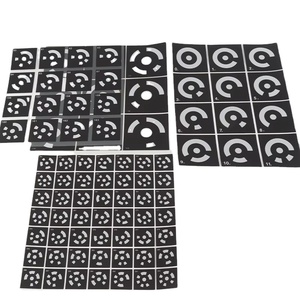
High Precision High Reflective Coded Positioning Target Markers For Laser 3D Scanning Industrial Measurement Reverse Engineering
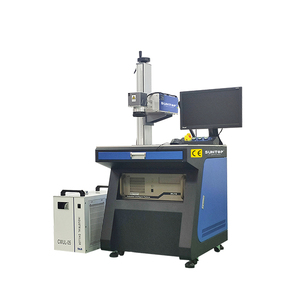
10w Uv Laser Engraving Machine for Glass, 3w/5w/8w/10w/15w/20w, Laser Marking Machine, for Metal/wood/acrylic/leather/cloth
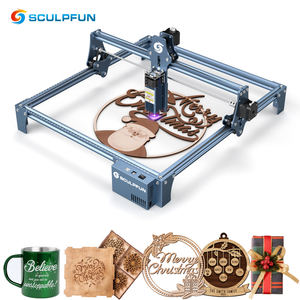
SCULPFUN S9 90W Laser Engraver 3d CNC Desktop Printer Laser Engraving Machines
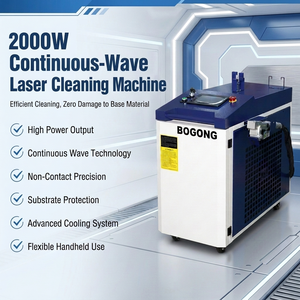
BOGONG 2000W CW Laser Cleaning Machine Handheld Industrial Rust Removal Floor Coating Surface Treatment for Construction Metal
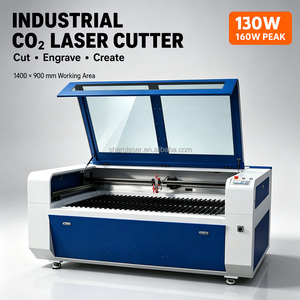
CO2 Laser Cutting & Engraving Machine 1490 with Ruida Control System Water Cooling for Acrylic Wood Paper MDF AI/PLT Support
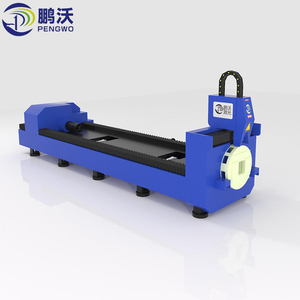
3000W Automatic Feeding CNC Industrial Laser Pipe Cutting Machine Metal Tube Fiber Laser Cutter AI Graphic Direct Manufacturer
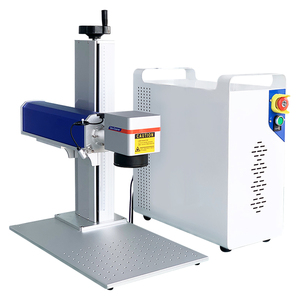
Fiber Laser Engraving Machine For Advertising Companies High-Powered Laser Marker
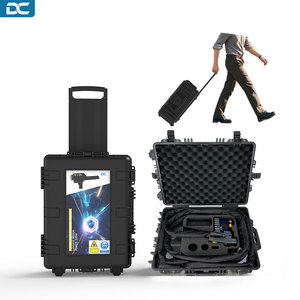
Dachuan Handheld 500W Portable Pulsed Fiber Laser Cleaner Wood Metal Stone Stainless Steel Aluminum Paper Laser Cleaning Machine
Peru’s Growing Demand for Industrial Glass Laser Processing
Analyzing macroeconomic drivers, Pisco export regulations, architectural glass booms, and modern factory automation across Lima, Arequipa, and Ica.
Pisco Bottling & Premium Agro-Export Traceability
Peru's agro-export surge—specifically led by premium Pisco distilleries in Ica, Chincha, and Moquegua—has created an urgent demand for anti-counterfeiting mark solutions. Overseas buyers in Europe and North America enforce rigorous traceability metrics (GS1 DataMatrix codes, dynamic batch identifiers, and anti-tamper serials).
Traditional ink printing easily degrades during maritime transport due to humidity and friction. Industrial UV laser engravers provide permanent, micro-precise glass markings directly onto curved wine and spirits bottles without thermal stress or glass structural weakening.
Architectural, Automotive & Commercial Glass Sector
Metropolitan expansion in Lima and regional industrial centers like Arequipa and Trujillo has accelerated demand for architectural safety glass, double-glazed curtain walls, and automotive glass processing. Exporters supplying Peru require laser systems capable of processing large-format sheets and curved safety glass.
Utilizing 3-axis Galvo technology with extended focal depth, laser engraving systems execute precise logo etching, QR tracking for tempered glass quality standards (INACAL compliance), and decorative frostings without micro-fracturing risk.
Comparing Photothermal vs. Photoablative Photonic Processing
Understanding the laser-material interaction on glass substrates: Wavelength selection, thermal shock dissipation, and focal control.
355nm UV DPSS "Cold Laser"
Ultraviolet lasers operate via photoablation, breaking molecular bonds within the glass lattice directly rather than vaporizing material through intense heat. This process eliminates heat-affected zones (HAZ).
- Zero micro-cracking or thermal stress
- Smooth tactile finish on delicate glassware
- Ideal for pharmaceutical vials & Pisco bottles
- Ultra-fine spot size (~15µm) for micro QR codes
10.6µm CO2 RF Laser Tubes
CO2 gas lasers operate in the far-infrared spectrum. Glass strongly absorbs this wavelength, generating localized thermal expansion that creates micro-scale fractures on the surface to produce a white, frosted effect.
- High throughput for thick architectural glass
- Cost-effective for high-volume flat sheet etching
- Deep frosting effects for artistic glassware
- Requires pulse modulation to prevent glass chipping
3D Dynamic Focus Galvo Systems
Standard 2D flat-field lenses defocus when marking non-flat objects. Advanced 3D Galvo technology dynamically adjusts the focal point along the Z-axis in real time across curved or sloped glass surfaces.
- Uniform focal density across cylindrical bottles
- Seamless 360-degree rotary indexing integration
- Eliminates manual Z-axis refocusing delays
- Supports complex 3D relief engraving on crystal
| Laser Source Wavelength | Processing Mechanism | Surface Micro-Crack Risk | Glass Substrate Compatibility | Typical Industrial Output (Peru) |
|---|---|---|---|---|
| 355nm UV (DPSS) | Cold Photoablation (Non-thermal) | 0% (Negligible) | Borosilicate, Soda-Lime, Crystal, Thin Vials | Pisco Bottle Serialization, Pharma QR Codes |
| 10.6µm CO2 (RF Tube) | Photothermal Micro-Fracturing | Medium (Requires pulse tuning) | Flat Float Glass, Architectural Panels, Mirrors | Interior Glass Partitions, Large Souvenirs |
| 1064nm MOPA Fiber | Thermal Shock (Coated Substrates) | High on raw glass (Ideal for coated glass) | Mirror Backings, Painted/Anodized Glassware | Custom Promotional Flasks, Coated Mirrors |
| 532nm Green Laser | Sub-surface Focus Ablation | Very Low | Optically Clear Crystal Blocks, 3D Bubbles | Internal 3D Crystal Engraving, Award Trophies |
How Peruvian Enterprises Should Audit Overseas Laser Factories
Avoiding sub-standard grey-market machinery: Quality management systems, international electrical compliance, and LATAM logistics support.
ISO 9001 Quality Control & CE Safety Certifications
Industrial laser machinery exported to Peru must withstand tough operating environments—from humid coastal regions (Callao/Lima) to high-altitude industrial centers like Arequipa (2,325m above sea level). Low-grade factories often compromise on power supplies, galvo mirror coatings, and EMI shielding.
Prioritize manufacturers with ISO 9001 quality management systems and full CE compliance. High-grade systems utilize mil-spec aluminum structural frames, premium IP54 enclosed optical paths, and industrial chillers equipped with dual-stage temperature control.
Peruvian Customs (SUNAT), Tariff HS Codes & Logistics
Importing capital machinery into Peru requires strict compliance with SUNAT customs regulations. Machinery imported under HS Code 8456.11 (Machines for working any material by removal of material, by laser) must possess accurate commercial documentation, certificate of origin, and electrical compliance certificates.
Reliable global exporters provide complete customs clearance documentation, specialized timber crating meeting ISPM 15 heat-treatment standards, and direct door-to-port maritime shipping to Puerto del Callao or air freight to Jorge Chávez International Airport (LIM).
Tailored Laser Solutions Across Peruvian Regions
From high-volume bottling plants along the southern coast to artisanal craft exporters in the Andean highlands.
Case 1: Ica & Pisco Valley Bottling Lines
Distilleries require continuous inline laser coding directly on wet glass surfaces during high-speed bottling runs. Integrated UV laser coders (such as Meta-i inline systems) fit seamlessly over conveyor systems.
Outcome: 100% permanent serialisation, high-speed GS1 DataMatrix code printing at over 200 bottles/minute with zero bottle breakage.
Case 2: Architectural Glass Facilities in Lima
Commercial window manufacturers require permanent logo etching, safety code accreditation symbols, and batch tracking codes on heavy tempered glass panels before installation.
Outcome: Large-format CO2 galvo cutters and motorized XY table systems allow batch processing of 1400x900mm glass sheets with high edge cleanliness.
Case 3: Cusco & Arequipa Artisan Export
High-end artisanal workshops producing custom engraved glassware, Andean heritage motifs, and personalized souvenirs for international tourists demand compact, versatile machines.
Outcome: Desktop UV laser engravers (3W/5W) enable micro-detail engraving on stemware, shot glasses, and decorative mirrors without chipping delicate rim edges.
Built to International Engineering Standards
Combining UK optical engineering heritage with robust global supply chains to deliver long-term production reliability for Peruvian industry.
3D Marking & Scanning Standard
Unlike competitors who charge extra for 3D axis capabilities, our flagship laser platforms come integrated with 3-axis dynamic beam delivery as a standard feature, enabling effortless processing of complex curved glass surfaces.
Multi-Year International Warranties
We back our machinery with extensive international warranties (3 to 5 years standard for Latin American exports, backed by qualified technical support), ensuring long-term operational peace of mind.
Modular Upgrade & Automation Architecture
Our machines feature modular expansion ports, enabling seamless integration with COBOT robotic arms, industrial conveyor indexing units, dynamic rotary chucks, and custom automated data plate loaders.
Frequently Asked Questions by Peruvian Machinery Buyers
Addressing key technical, electrical, environmental, and import concerns for businesses operating across Peru.
Why is a 355nm UV laser preferred over a CO2 laser for glass bottle marking in Peru?
While CO2 lasers (10.6µm) work by creating micro-fractures through intense heat, this localized thermal shock can weaken the structural integrity of thin glass or pressurized beverage bottles (such as carbonated drinks or wine). A 355nm UV laser is a "cold laser" that operates via photochemical bond breaking. It leaves the outer micro-structure of the glass intact, preventing micro-fractures, flaking, or bottle explosion risk under corking and pressure capping.
Are these laser machines compliant with Peru’s electrical grid standard (220V / 60Hz)?
Yes. All industrial laser machines configured for export to Peru are factory-fitted with electrical transformers and power supplies specifically rated for Single-Phase or Three-Phase 220V at 60Hz. Internal components are protected against local grid voltage fluctuations using heavy-duty surge protection and EMI power filtration.
How does high-altitude operation (e.g., Arequipa at 2,300m or Cusco at 3,400m) impact laser engravers?
High altitude results in lower atmospheric pressure and thinner air, which reduces air-cooling efficiency and alters dew point dynamics for water chillers. Machines dispatched to high-altitude Peruvian regions are equipped with upgraded dual-circuit industrial water chillers and hermetically sealed IP54 galvo optical heads to prevent internal condensation and ensure stable laser output power.
What is the typical lifespan of the laser source in these industrial units?
Solid-state UV DPSS laser sources typically offer an operational lifespan of 20,000 to 30,000 hours before crystal diode maintenance is required. MOPA Fiber lasers boast operational lifespans exceeding 100,000 hours. Premium sealed RF CO2 metal laser tubes offer 40,000+ hours and can be re-gassed, providing an exceptional Return on Investment (ROI).
Can your laser systems engrave curved wine glasses and cylindrical bottles?
Yes. We offer two specialized methods for cylindrical glass processing: First, our 3D Dynamic Focus Galvo heads adjust focus dynamically along the Z-axis for soft curves. Second, for full 360-degree wrapping around bottles or mugs, we integrate plug-and-play rotary indexing axes (rotary chucks or dual-roller fixtures) controlled directly through LightBurn or EZCAD software interfaces.
What maintenance is required for glass laser marking systems operating in coastal regions like Callao/Lima?
Coastal environments bring high ambient humidity and saline exposure. Daily maintenance consists of checking and cleaning the external protective F-Theta optic lens with specialized lens wipes to prevent dust accumulation. Ensure that the water chiller uses pure distilled water, refreshed every 60 days. The IP54 sealed optics housing keeps internal mirrors protected against corrosive sea air.
How are spare parts, optical lenses, and technical service handled in Peru?
We maintain a rapid-dispatch global spare parts program. Common consumables—such as protective lens windows, focal lenses, switching power supplies, and foot pedals—are shipped via express air freight (DHL/FedEx) to Peru within 3 to 5 business days. Remote diagnostic support is provided by senior laser engineers via live video link and TeamViewer software integration.
Ready to Upgrade Your Glass Processing Lines in Peru?
Consult with our senior applications team today. Send us sample glass materials for free testing or request a complete technical factory quotation tailored to your production workflow in South America.