Black Annealing
For 304, 316 & Titanium
- Ultra-dark jet black oxide layer without surface removal
- Zero micro-cracking; preserves passive corrosion resistance
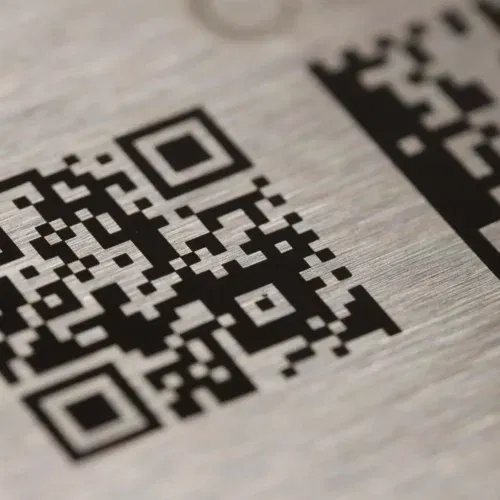
- High contrast DataMatrix codes for FDA UDI & MIL-STD compliance

For 304, 316 & Titanium

For complex curved parts

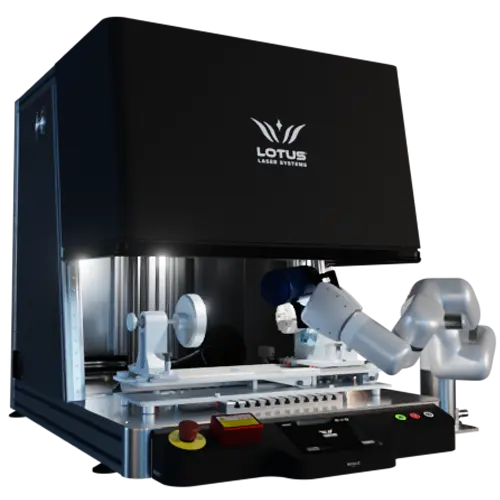
24/7 Unattended marking
*UK customers benefit from our flagship 10-Year Diamond Cover. International buyers receive up to 5-year warranties via our authorized network in 46 countries.
Trusted by Global Engineering Leaders & Medical OEM Brands
Global procurement teams and manufacturing engineers face strict mandates: produce high-contrast, jet-black marks on 304, 316, and 316L stainless steel that endure aggressive chemical passivation, ultrasonic cleaning, and hundreds of autoclave sterilization cycles without rusting. Here is how Lotus MOPA fiber laser technology delivers non-ablative black annealing excellence.
In high-precision manufacturing, conventional laser etching or laser engraving removes metal by melting or vaporizing the alloy surface. This creates deep micro-grooves, micro-cracks, and micro-cavities that disrupt the metal matrix. When standard laser etching is performed on austenitic stainless steels (such as AISI 304 or AISI 316L), the protective passive chromium oxide (Cr2O3) film is destroyed. Free iron atoms become exposed to ambient oxygen and moisture, leading directly to localized pitting and atmospheric oxidation—commonly known as rust.
In contrast, stainless steel black annealing laser marking is a tightly regulated thermal oxidation process. By delivering short laser pulses (ranging from 4ns to 30ns) with controlled peak power density, a MOPA (Master Oscillator Power Amplifier) fiber laser heats the surface layer of the metal just below its melting point. This localized thermal energy induces controlled oxygen diffusion into the top sub-surface lattice, growing an ultra-thin, smooth, dark oxide film (comprising chromium oxide and iron oxide compounds) with an optical thickness between 100nm and 300nm. Because the surface remains smooth and non-ablated, the passive layer is chemically preserved, ensuring maximum corrosion resistance.
Traditional Q-switched fiber lasers possess a fixed pulse duration (typically 100ns to 120ns). When attempting to anneal stainless steel with a Q-switched system, the excessively long thermal interaction time deposits excess heat into the substrate. This uncontrolled heat input causes micro-melting, surface distortion, inconsistent brown or grayish discoloration, and severe thermal stress that degrades the metal's corrosion resistance.
Lotus Meta MOPA Fiber Laser systems resolve this limitation entirely. MOPA architecture allows operators to independently modulate pulse duration (from 2ns to 500ns) and pulse frequency (up to 4000 kHz). By selecting shorter pulse widths (e.g., 8ns–20ns) coupled with elevated repetition rates, engineers can deliver precise energy densities per pulse. This targeted energy input grows a rich, jet-black oxide layer with zero surface roughness, making the mark perfectly readable under multi-angle vision system lighting while ensuring zero micro-structural deterioration.
A common defect reported by global buyers utilizing inferior laser systems is angle-dependent contrast fading—where a black DataMatrix QR code appears jet-black when viewed head-on but turns reflective or invisible when illuminated at an angle. This phenomenon stems from uneven oxide thickness and micro-roughness causing destructive optical interference.
Lotus Laser's high-stability optics and specialized scanning algorithms enforce precise line overlap (hatching pitch as narrow as 0.003mm) and constant spot energy density. The resulting oxide layer exhibits a uniform refractive index across the entire surface area. Consequently, marks maintain high contrast, low glare, and omnidirectional optical readability—vital for 2D DataMatrix scanners used in operating rooms, automotive assembly lines, and aerospace traceability stations.
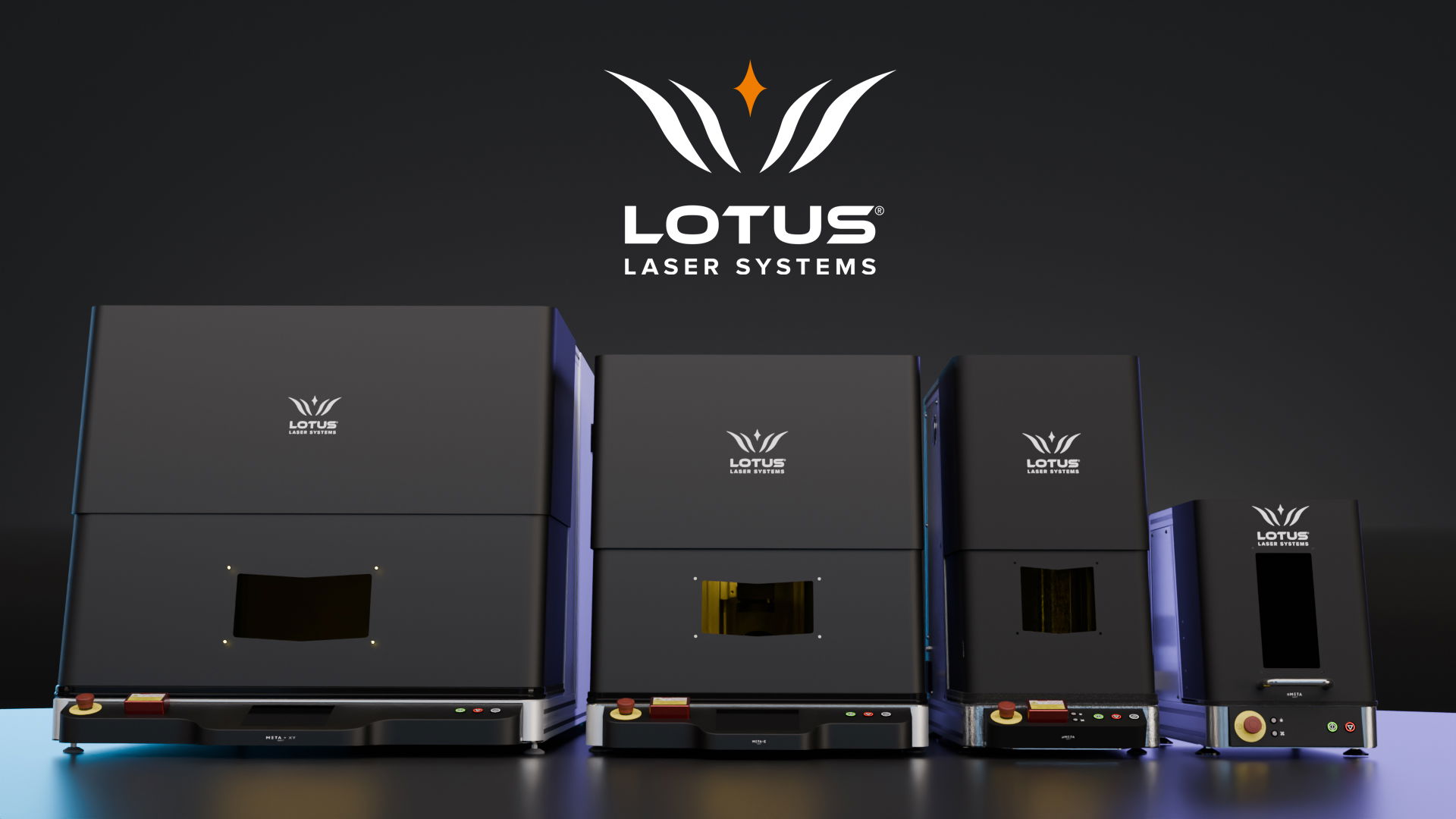
From compact lab systems to automated 24/7 batch marking stations, every Lotus Meta platform features engineered MOPA laser sources, mil-spec construction, and 3D dynamic optical control as standard.

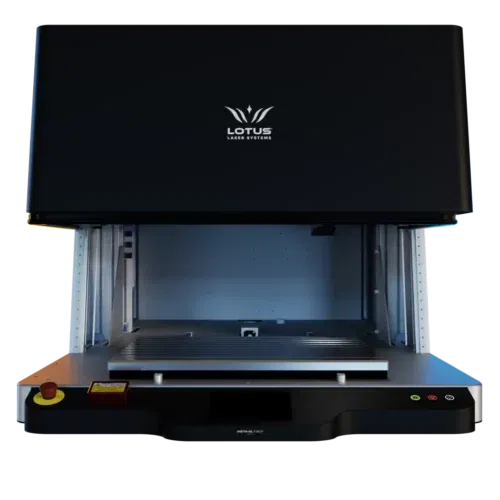
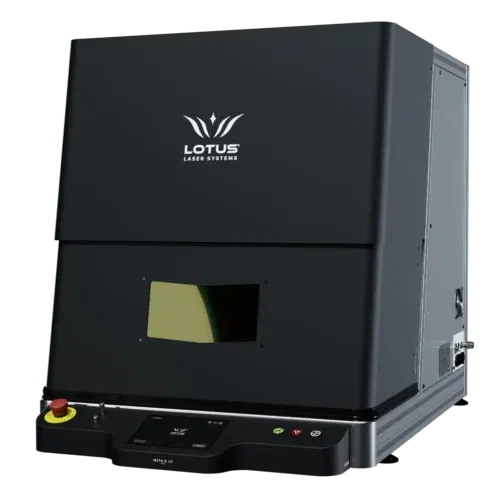
Fully enclosed Class 1 workstation equipped with 3D dynamic autofocus, high-flexibility MOPA pulse tuning, and motorized Z-axis. Ideal for surgical instruments, implants, and high-value industrial parts.
Get a Quote
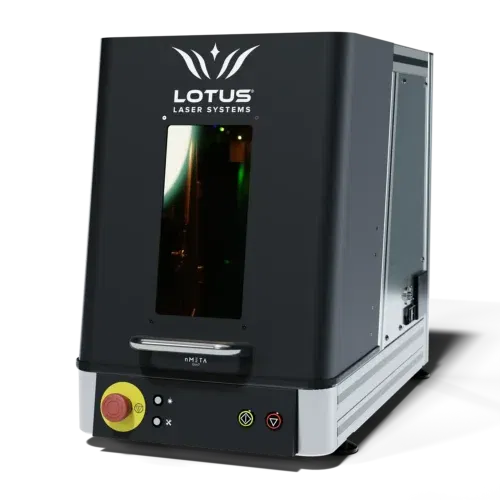
Featuring a high-capacity motorized XY table. Process hundreds of small stainless steel components, rating plates, or surgical tools in a single automated loading cycle with zero operator intervention.
Get a Quote
Industrial performance in a compact footprint. Engineered with genuine MOPA fiber laser engines for low-volume, high-precision stainless steel black annealing in research facilities and small shops.
Get a Quote
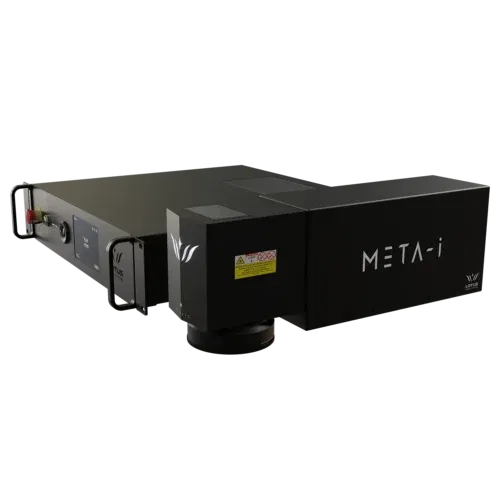
Designed for seamless mechanical and software integration directly into high-speed continuous manufacturing lines. Delivers rapid black annealing marks on moving stainless steel tubes, wires, and fittings.
Get a QuoteAs international industrial buyers prepare their manufacturing lines for 2026–2030, key shifts in material science, automated quality verification, and environmental compliance are reshaping equipment specifications.
Legacy Q-switched lasers are rapidly being phased out across global procurement contracts. Enterprise buyers require MOPA fiber laser engines capable of nanosecond pulse tuning (4ns–200ns) to ensure repeatable black annealing on sensitive stainless alloys without micro-cracking.
With complex curved geometries becoming the norm in medical devices and aerospace tubes, procurement officers are mandating 3D optical focus delivery as standard equipment. 3D galvo control eliminates manual focal adjustment and maintains tight spot density on 3D surfaces.
AI-assisted machine vision is now embedded directly into laser marking workstations. Integrated camera hardware inspects black annealed 2D DataMatrix codes in real time to verify optical contrast, AIM DPM grade compliance, and alphanumeric accuracy before part ejection.
Global ESG mandates and European REACH regulations are accelerating the removal of chemical etching baths and toxic ink formulations. Fiber laser black annealing provides a 100% clean, non-contact process with zero chemical waste, consumable costs, or toxic emissions.
Understanding where laser annealing technology is heading helps engineering managers make future-proof capital expenditure decisions.
While nanosecond MOPA fiber lasers remain the gold standard for cost-effective stainless steel black annealing, R&D efforts are expanding into picosecond laser thermal coloration. Sub-nanosecond pulses minimize the Heat Affected Zone (HAZ) even further, enabling dark contrast marks on ultra-thin stainless steel foils (less than 0.1mm thick) without thermal warping or heat bleed.
Modern manufacturing environments process varying batches of stainless steel from different melt runs with minor surface finish fluctuations. Emerging control software utilizes neural networks and spectrometer feedback to automatically tweak pulse width, frequency, and marking speed on-the-fly, ensuring consistent black oxide density across varying steel batches.
Stand-alone laser marking is giving way to fully automated robotic production cells. Lotus Laser Systems are engineered with modular I/O interfaces, OPC UA protocols, and Ethernet/IP connectivity, allowing seamless robotic part feeding, automatic fixture loading, and unassisted 24/7 dark annealing runs.
Advanced laser scanning algorithms now create a multi-layered oxide structure: an inner chromium-rich oxide film capped by a smooth iron oxide outer surface. This specialized bi-layer structure offers enhanced resistance against hot nitric acid passivation baths and acidic surgical cleaning fluids.
Our MOPA fiber laser systems produce permanent, corrosion-proof marks that comply with the strictest regulatory standards across global supply chains.
Autoclave-proof DataMatrix marking on 316L surgical instruments, implants, and scalpels complying with FDA UDI & EU MDR requirements.
Corrosion-resistant serialisation, UID codes, and part identification meeting MIL-STD-130 and AS9100 manufacturing specifications.
High-contrast barcode marking on stainless steel exhaust tubes, sensor housings, fuel rails, and high-stress engine components.
Non-ablative jet-black branding, logos, and decorative details on high-end stainless watch cases, straps, and premium tableware.
Lotus Laser Systems is a family-owned British manufacturer based in Basildon, Essex. Unlike equipment resellers, we design, build, and support our own UV, MOPA fiber, and CO2 laser machines in-house under strict quality management systems.
Get a QuoteIndustry-leading Diamond Cover available in the UK, with 3–5 year comprehensive warranties globally.
Engineered, assembled, and rigorous quality-tested at our Essex HQ, backed by global engineers in 46 countries.
3-axis dynamic beam delivery keeps focus perfectly calibrated across stepped, angled, and curved stainless surfaces.
Heavy-duty mil-spec aluminum frames and premium optic components designed for continuous 24/7 operation.
Accredited quality management ensuring every single laser machine meets exact dimensional and optical standards.
Class 1 enclosed workstations with interlocked safety circuits and certified laser safety viewing windows.
Expert insights compiled by Lotus Laser applications engineers to answer critical procurement, technical, and process compliance questions.
Stainless steel black annealing laser marking is a controlled localized oxidation process rather than an ablative material removal process. By applying precise, short-pulse laser energy (typically via a MOPA fiber laser with pulse durations between 4ns and 200ns), the alloy surface is heated locally above its oxidation threshold without melting or vaporizing the metal matrix. This controlled heat input induces the growth of a dense, dark oxide layer (chromium oxide and iron oxide thin film) on the sub-surface layer. Because no metal is removed, the structural integrity and surface smoothness remain smooth and intact.
Standard laser etching or engraving aggressive ablates the protective passive layer (Cr2O3 oxide film) on stainless steel, creating micro-cavities, surface micro-cracks, and exposed free iron that oxides into rust when exposed to moisture or corrosive agents. Black laser annealing preserves corrosion resistance because it maintains surface planarity and builds a protective oxide thin film without vaporizing chromium. When combined with correct pulse width control, peak power tuning, and post-annealing passivation standards (such as ASTM A967 or AMS 2700), black annealed marks pass rigorous 96-hour salt spray testing (ASTM B117) and repeated autoclave sterilization cycles without corrosion or fading.
Standard Q-switched fiber lasers have fixed pulse durations (typically around 100ns to 120ns) and limited frequency adjustment range. This fixed pulse structure delivers excessive peak power and uncontrollable thermal accumulation, often resulting in accidental ablation, surface burning, rough texture, or brown discolouration on stainless steel. In contrast, MOPA (Master Oscillator Power Amplifier) fiber lasers allow independent control over pulse duration (ranging from 2ns to 500ns) and frequency (up to 4000 kHz). This extreme control allows engineers to deliver high pulse energy with short pulse widths, creating ultra-dark, jet-black oxide films with zero surface micro-roughness and minimal thermal stress.
Black annealing requires an extremely tight focal spot window to maintain exact power density and optical interference effects. On curved, angled, or multi-level surfaces (such as orthopedic implants, surgical scalpels, or automotive tubes), a traditional 2D flat-field lens suffers from spot expansion and focal defocusing outside the flat center plane, resulting in non-uniform dark gray or brown marks. Lotus Meta systems feature 3D dynamic focus standard, utilizing a high-speed motorized z-axis optical expander to dynamically adjust the laser focal plane in real time across 3D geometries, keeping the power density identical across every square millimeter.
Yes, provided the annealing process parameters are scientifically optimized. In medical device marking (FDA UDI compliance) and aerospace identification, marks must endure repetitive citric or nitric acid passivation as well as hundreds of steam autoclave cycles (134°C high-pressure steam). When produced using Lotus MOPA fiber laser technology with optimized pulse width and overlapping hatch geometry, the oxide layer is thermally stable, chemically resistant, and non-porous, preventing acid leaching or color degradation during passivation.
While exact parameters depend on substrate thickness, surface finish (e.g., #4 finish, 2B, mirror polish), and lens focal length, ideal baseline settings for a 20W-50W MOPA fiber laser include: Pulse Duration: 8ns – 30ns; Frequency: 200 kHz – 600 kHz; Marking Speed: 200 mm/s – 600 mm/s; Line Spacing (Hatch): 0.003mm – 0.008mm bidirectional double-hatch pattern; Focal Position: On-focus or slight positive defocus (+0.5mm). Short pulses prevent micro-melting, while tight line spacing ensures high oxide density.
Procurement officers in regulated industries must ensure laser equipment meets strict compliance standards. Lotus Laser Systems are manufactured under ISO 9001 quality management systems, carry complete CE compliance certification, adhere to IEC 60825-1 laser safety standards (Class 1 enclosed workstations), and comply with Cyber Essentials cybersecurity guidelines. Furthermore, marks produced meet UDI (Unique Device Identification) regulatory standards under EU MDR 2017/745, FDA 21 CFR 830, MIL-STD-130, and AS9100 aerospace traceability guidelines.
Send your 304, 316, or specialized stainless steel components to our UK application lab in Basildon, Essex. Our engineers will run parameter matrix tests, provide corrosion test data, and configure the ideal MOPA laser system for your production targets.
Speak directly with our technical application specialists today.